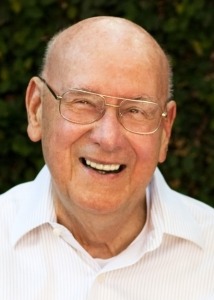
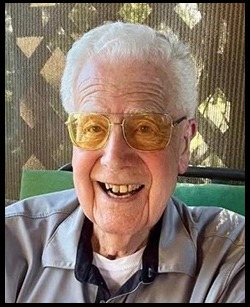
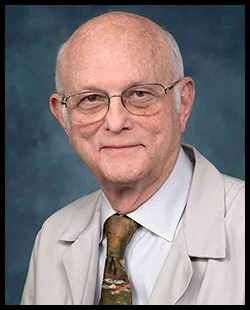
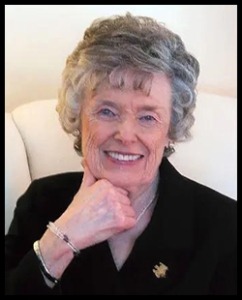
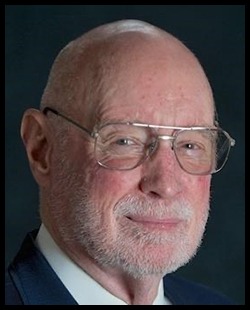
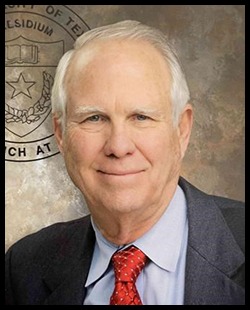
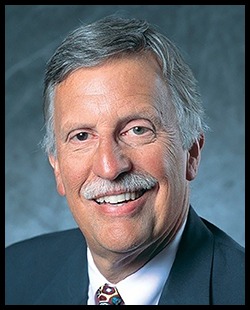
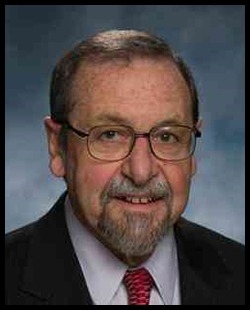
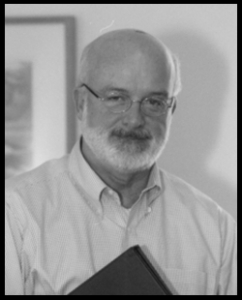
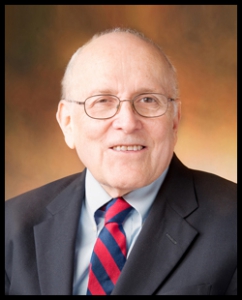
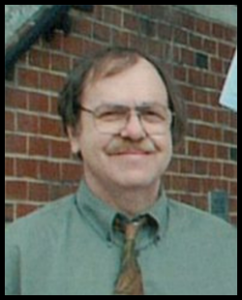
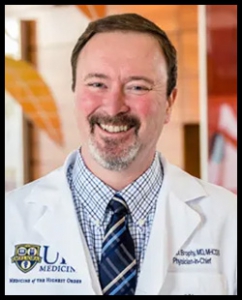
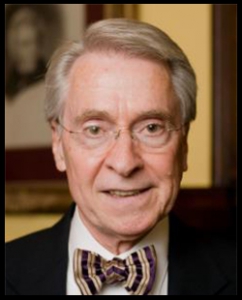
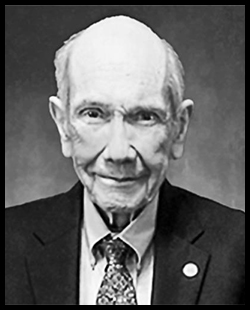
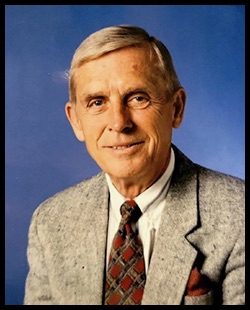
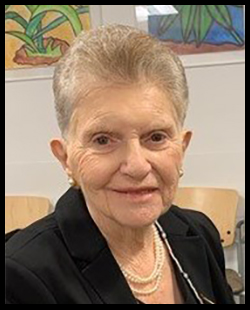
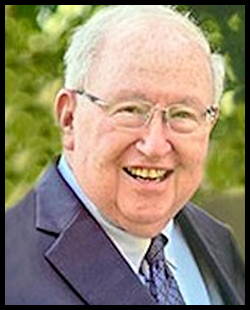
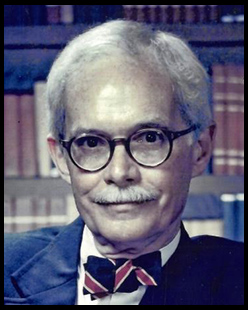
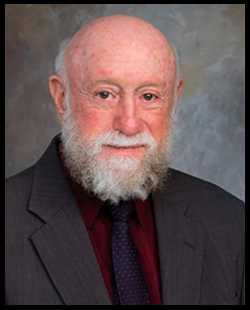
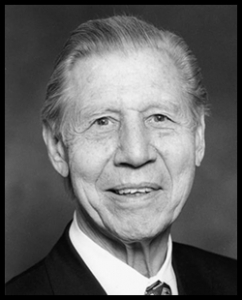
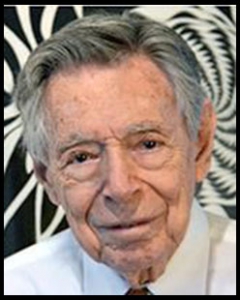
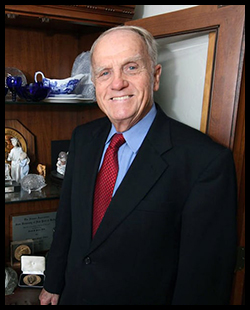
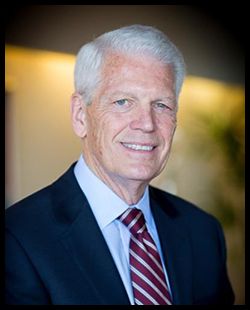
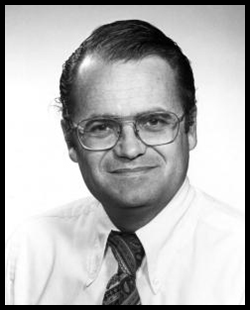
L. Leighton Hill, MD – 2026

1928 – 2026

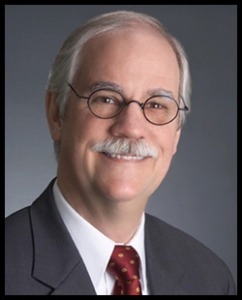
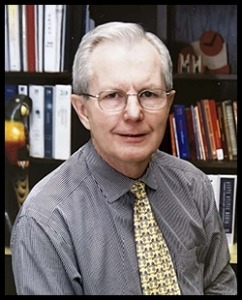
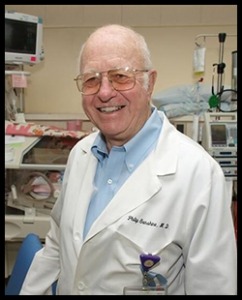
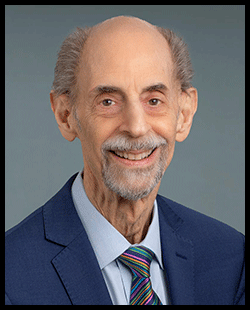
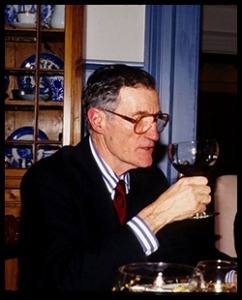
Dr. Louis Leighton Hill passed away peacefully at 97 on Tuesday, the 24th of March 2026. He is remembered as a pioneering physician whose brilliance and leadership shaped generations of medical care and education in Houston.

Born on the 19th of December 1928 in Baton Rouge, Louisiana to Harry Leighton and Doris Wax Hill, Leighton attended Brock Elementary and Slidell High School, early on showing outstanding leadership as a proud Eagle Scout and as President of his high school classes all four years. Leighton felt one of his greatest achievements was his football team winning the 1944 state championship. As team captain, he led the undefeated, 1945 team to the state championship again, personally garnering the distinction of All-State Running Back.

Leighton matriculated to Louisiana State University (LSU) on football and academic scholarships, and in 1952 graduated from Louisiana State University Health Science Center School of Medicine in New Orleans. Throughout his life, he remained a die-hard LSU Tiger fan and if you knew Leighton, you knew not to call when LSU was playing.

During the Korean War, Leighton volunteered for medical service in United States Air Force, stationed at Brooke Army Hospital in San Antonio, Texas; Gunter Air Force Base in Montgomery, Alabama; and finally at Moody Air Force Base Air Training Command in Valdosta, Georgia. After three years of medical service as a General Medical Officer and upon achieving the rank of Captain, he was honorably discharged. Leighton considered serving in the U.S. military one of the great honors of his life.

In 1955, Leighton returned to Texas for further training in pediatrics at Baylor College of Medicine. As Chief Resident, he spent two-and-a-half years training in nephrology at Baylor College of Medicine where he did his first fellowship and had a second renal fellowship at Western Reserve University Medical School in Cleveland, Ohio.
Recruited to the faculty of the Department of Pediatrics at Baylor College of Medicine in 1959, Leighton was one of the first trained nephrologists in Houston. He subsequently served as head of the Baylor College of Medicine Renal-Metabolic Division and Chief of the Texas Children’s Hospital Renal-Metabolic Service for 34 years.
Leighton’s scientific publications, presentations and medical chapters were numerous. He tremendously enjoyed teaching medical students, allied health students, residents, his fellows in nephrology and young faculty. With characteristic humility, he would often say he learned more from them than they did from him.
Leighton belonged to numerous organizations and notably served as President of the Medical Staff at Texas Children’s Hospital, Board Member and Chairman of the Nephrology Section of the American Academy of Pediatrics ,and President of the Texas Pediatric Society.

Among the many honors Leighton received was the award for Outstanding Full-Time Faculty by the Pediatric House Staff, the Sidney Kaliski Award of Merit from the Texas Pediatric Society, the Distinguished Faculty Award from the Baylor College of Medicine Alumni Association, the Arnold J. Rudolph Baylor Pediatric Award for Excellence in Teaching, and the C.W. Daeschner, Jr. Lifetime Achievement Award from the Texas Pediatric Society.

From 1994 to 2004 Leighton was Senior Associate Dean of Admissions at Baylor College of Medicine, overseeing 4200 applicants for 168 spots. He retired in 2004 and, until the time of his passing, was Professor Emeritus at Baylor College of Medicine and Emeritus Staff Member at Texas Children’s Hospital and Houston Methodist Hospital. One of the greatest aspects of his career was the thrill of following eager young people as they progressed through school and their careers, notably his great niece Dr. Natalie Wright.

One of Leighton’s great pastimes was tennis. He played with his friends from St. Martin’s Episcopal Church on Saturday mornings, and his physician friends (Drs. Curtis, Montgomery, Kohaut, Killinger, Boyd, Ferry, Finegold and Truitt) on Saturday afternoons. With great anticipation each year, he spent summer vacations at his condo in Ponce Inlet with family and wonderful Florida friends (Halls, Akels, Meltons, Stokes, Sales, Kempers).

A man of tremendous faith, Leighton was a member of St. Martin’s Episcopal Church in Houston for 60 years. A devout student of scripture, he applied the same meticulous discipline to understanding God’s word as he did to the art of practicing medicine and the strategy of football.

Leighton was preceded in passing by his parents, his beloved first wife Reba Ann Michels Hill, M.D., the mother to his daughters, his second wife Mollie Ward Hill and his sister Marilyn Catchings. He leaves his cherished daughters Melanie Ann Hill, Laurie Hill Gutierrez and son-in-law Alfredo Gutierrez, Courtney Hill Fertitta and son-in-law Jason Fertitta, step- children Theresa Nobles, Delise Ward and her husband Craig Lidji, and Sam Ward; his brothers Harry Raymond Hill, M.D. and his wife Sandra Hill, Thomas Wax Hill and his wife Gael Hill; his beloved grandchildren Taylor August Gutierrez, Hudson Leighton Gutierrez, Ella Ann Fertitta, Alexander Hill Fertitta, and Vivienne Leigh Fertitta; and numerous nieces and nephews (Angie, Wendy, Keeley, Ian, Caroline, Mike, Reba, Kim, Sharon, Winn and their children).

The family gives special thanks to Leighton’s devoted caregivers, Aisha Wright and Stephanie Diaz.

In lieu of customary remembrances, contributions may be made to St. Martin’s Episcopal Church, 717 Sage Road Houston, Texas 77056, or to the L. Leighton Hill Endowment in Renal Dialysis at Texas Children’s Hospital.

Please visit Leighton’s online memorial at GeoHLewis.com where memories and words of comfort and condolence may be shared with his family

Martin Lees, MD – 2026

1929 – 2026

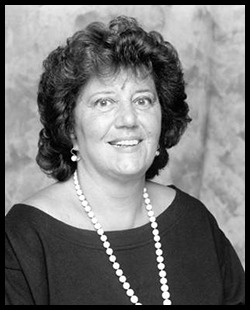
Martin Henry Lees, M.D., 96, died January 3, 2026, in Wilsonville, Oregon. Born May 11, 1929, in London, England, to Lillian Thomson (White) Lees and David William Lees, he served in the Royal Navy (1947-1949) before earning his M.D. from St. Thomas’ Hospital, London (1955). He trained in pediatrics and neonatology and completed a pediatric cardiology fellowship with Dr. Alexander Nadas, becoming a leader in the field and publishing journal articles and textbook chapters. In 1963 he moved to Portland to establish Oregon’s first Department of Pediatric Cardiology at Oregon Health Sciences University and later led Pediatric Cardiology and helped create pediatric cardiac surgery at Emanuel Hospital. He was triple board-certified in Pediatrics, Neonatal-Perinatal Medicine, and Pediatric Cardiology.

A gentleman and lifelong learner, Martin loved traveling with his wife, Betty, and treasured time with family and friends, especially at his Parkdale home near Mount Hood.

He is survived by his wife, Betty Lees; daughters Deborah Davis, Jacqueline Chamberlain (Chuck), and Christina Guerins (Ken); eight grandchildren; eight great-grandchildren (with a baby boy expected April 2026); his brother, Nigel Lees; two nephews; and extended family.
A Memorial Service will be held Saturday, February 7, 2026, at 11:00 a.m. at St. Clare Catholic Church, 8535 SW 19th Ave., Portland, OR 97219. Reception to follow. In lieu of flowers, donations in his name may be made to Doctors Without Borders (Medecins Sans Frontieres), an organization he loved to support for their international medical response work.

Stanford Taylor Shulman, MD – 2025

1942 – 2025

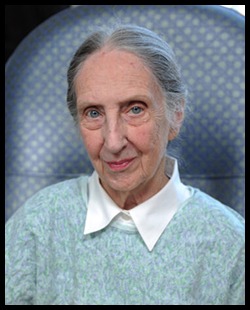
Dr. Stanford Taylor Shulman, age 83, Professor Emeritus of Pediatrics, Northwestern University Feinberg School of Medicine, Division of Infectious Diseases at Ann & Robert H. Lurie Children’s Hospital of Chicago. Son of Clara Tarschis and Edward I. Shulman. He is survived by his wife of sixty-one years, Claire, children Debbie (Jeff Tavares), Liz (Tony Trigilio), Ed (Kris), grandsons Max and Levi, and brother Alan Tarschis (Shirley).

Stan was born May 13, 1942 in Kalamazoo, MI. He attended the University of Cincinnati and earned his B.S. in Zoology in 1963. Dr. Shulman attended The University of Chicago Medical School and graduated in 1967, and was Chief Resident in Pediatrics. From 1970-1972 he served as a Fellow in Pediatric Immunology and Infectious Diseases at The University of Florida College of Medicine in Gainesville, FL. From 1979-2014 he served as Chief of the Division of Infectious Diseases at The Children’s Memorial Hospital and Lurie Children’s Hospital in Chicago. He was an internationally known expert in Kawasaki Disease and contributed to the evolving knowledge base through his research, numerous publications and clinical experience. He authored over 680 articles, seven books, and over 100 book chapters. His research on Group A streptococcus significantly advanced the field and was known as an expert on acute rheumatic fever, strep pharyngitis and pharyngeal colonization. He mentored dozens of young physicians and scientists. As head of the Infection Control Committee he shepherded a new antibiotic stewardship program which enhanced quality, safety and cost control for Lurie. In 2011, he was given the American Academy of Pediatrics’ Section on Infectious Diseases Award for Lifetime Contribution to Infectious Diseases Education. He also served as Chairperson of the Section of Infectious Diseases of the American Academy of Pediatrics, and on the Pediatric Infectious Diseases Society Council for many years before being elected President in 2007. His editorial roles included Co-Editor for Concise Reviews of Pediatric Infectious Diseases, Editor-in-Chief of Pediatric Annals, Associate Editor of the Journal of the Pediatric Infectious Diseases Society and a member of the Editorial Board for Infectious Diseases in Children. In 2020, he was awarded Clinical Teacher of the Year by the Infectious Disease Society of America.

In 2014, he published a book on the history of Children’s Memorial Hospital which highlights the growth of the institution from its humble beginnings as a “cottage” in 1882 to the world class hospital it is today. He loved the history of medicine and was an avid philatelist. Most of all, he was a devoted husband, father, and grandfather. It was so important to him to show his children as much of the world as he could. He was curious, funny, warm, and loved to read, write, and edit with his red pen. He was a lifelong Detroit Tigers fan. He was fascinated by the human heart, and loved his family deeply.

Ruth Edna Anderson Lawrence, MD – 2025

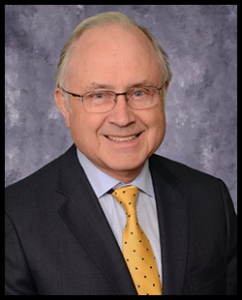
Ruth Edna Anderson Lawrence, MD, renowned physician and long-time leader in the Rochester community, passed away peacefully on October 12, 2025, surrounded by her loving family. Preceded in death by her beloved husband Robert Marshall Lawrence, MD, and devoted son John Charles Lawrence, she is survived and adored by her children, Robert (Rachel) Lawrence MD, Barbara Asselin MD (Dennis Asselin MD), Timothy (Edith) Lawrence MD, Kathleen Lawrence, PhD, David Lawrence, Mary (David) Khalil, Joan Lawrence (Anthony Cotrupe) and Stephen (Sheila) Lawrence; 24 grandchildren, Rob, Patrick, and Michael Asselin; Nathaniel and Eli Lawrence; Addison, Madeleine, and Jackson Morris; David Lee and Ryan Lawrence; Lisa Miller; Hannah, Victoria, and Daniel Khalil; Nellie, Henry, and Lucy Cotrupe; Riley, Carter, and Lily Lawrence; Justin, Thomas, Ashlyn, and Benjamin Richards; and numerous great-grandchildren. Also predeceased by her dear mother and three siblings, she is survived by many nieces and nephews, a brother-in-law, neighbors, and countless friends, families, colleagues, and community members.

Dr. Lawrence (also known as Ruth, Dr. REAL, Mom or Grammy to those closest to her), was an Emerita Professor at the University of Rochester School of Medicine. Born in Brooklyn, NY in 1924, she graduated from Antioch College and University of Rochester School of Medicine (1949) and was the first female resident in pediatrics at Yale University, before returning to Rochester with her husband to raise their nine children in Brighton and begin what became a 70-year career at UR’s Department of Pediatrics and OBGYN. As a pediatrician, clinical toxicologist, neonatologist, researcher, educator, and author, her impressive career included numerous firsts and milestones, and she is recognized locally, nationally and internationally in her many fields.

Dr. Lawrence established UR’s Poison Center in 1958, the first in the country to answer calls from the public and under her 50+-year leadership, created Lifeline, incorporating medical emergency and mental health crisis calls, information referral services, and further revolutionizing access to care for at-risk populations. (It was later renamed the Ruth A. Lawrence Poison Center.) She founded UR’s Neonatal Intensive Care Unit (NICU) in the 1960s, a significant advancement for newborn and pediatric care in the region and among the first in the country, and she its first neonatologist, educating and inspiring future practitioners and physicians in the field. She has been a leading international expert on infant nutrition and breastfeeding medicine and authored the authoritative medical textbook for lactation and clinical breastfeeding practices “Breastfeeding: A Guide for the Medical Profession” (nine editions since 1979). In 1985 she helped establish the Breastfeeding and Human Lactation Study Center at Golisano Children’s Hospital and served as its director for many years.

Her cleverness and wit, matched only by her generosity, Ruth was an exemplar for excellence in medicine, and a role model, mentor, and advocate for physicians, women, mothers and children. She has been recognized with numerous awards and accolades over the years, both for her professional work and her contributions to the community, serving as co-director of the Finger Lakes Children’s Environmental Health Center, and on boards such as that of Jordan Health Center, St. Bernards Seminary, Our Lady of Mercy School for Young Women, and the Girl Scouts of Monroe County. In 2008, she received the prestigious Athena Award and is the only twice-recipient of the Susan B. Anthony Lifetime Achievement Award. She retired from URMC in January 2020 at the age of 95 and the UR Lactation Center was renamed in her honor.

Ruth was, more than anything, a caretaker and fierce advocate – for her children, the world’s children, her chosen fields of medicine, her friends, community, and parish – and of any stranger who crossed her path. For all of her many notable achievements and selfless contributions, however, the profound loss is felt most by her family. Yes, she was iconic, genius, and a visionary, but she was also a legendary mother in ways we cannot describe, but were no secret to those around her.
The ongoing impact of Ruth’s legacy remains immeasurable. Her gifts continue to transcend her life. In her own words, when asked about her seemingly limitless energy and passion for various specialties and endeavors, she simply replied,
“I’m not done but I’ll never finish.”

Friends may call Friday, October 17, 2025 (3:00-7:00 pm) at Anthony Funeral Chapel, 2305 Monroe Ave. Funeral mass will be held at 10 am on Saturday, October 18, 2025, at St. Thomas More Church, 2617 East Ave. Rochester, New York.

In lieu of flowers, donations may be made to the Ruth A. Lawrence Educational Fund at Golisano Children’s Hospital: Dr. Ruth A. Lawrence Educational Fund – Advancement

John Lindsey Kirkland, III, MD – 2025

June 24, 1942 – July 5, 2025

Pittsboro, North Carolina – John Lindsey Kirkland, III, of Fearrington Village, Pittsboro, NC passed away peacefully on July 5, 2025 after his long illness with Alzheimer’s Disease. He was 83 years old.

John was born at Duke Hospital in Durham, NC. He graduated from Durham High School in 1960 and went to the University of North Carolina at Chapel Hill majoring in mathematics. John completed his undergraduate degree one year early. His senior year at UNC, John participated in an undergraduate fellowship under the mentorship of Professor Kenneth Brinkhous who was renowned for his work in hemophilia. John became skilled in drawing blood from and working with a special breed of hemophiliac pigs. This experience persuaded him to enroll in medical school after graduation in 1964.

John married Rebecca Grey Trent of Durham in 1965. They both had successful medical careers that aligned with one another.

John graduated from the University of North Carolina School of Medicine in 1968. He and Rebecca moved to Houston, Texas where John began his training in Pediatrics. After completing his residency, he spent six months at the Great Ormond Street Hospital for Sick Children and Guy’s Hospital in London. With his return to Houston, John began a fellowship in Pediatric Endocrinology under Professor George W. Clayton, who had trained with Dr. Lawson Wilkins at Johns Hopkins School of Medicine. Dr. Wilkins is called the father of Pediatric Endocrinology.

Instead of being drafted in the armed forces after college, John was enrolled in the Berry Plan which allowed him to finish his training before entering the military. He was stationed at the Philadelphia Naval Base and participated once a week in medical rounds at Temple University Hospital with another great Pediatric Endocrinologist, Dr. Angelo DiGeorge. Towards the end of John’s tenure in the Navy, he spent several months in Yokosuka, Japan where two aircraft carriers were at the ready to help evacuate troops from a falling Vietnam.

After John’s discharge from the Navy, he again returned to Houston and began a Fellowship in Molecular Endocrinology with Dr. George Stancel in the Department of Pharmacology at the University of Texas. This was a very productive time for him. He joined Pediatric Endocrinology in the Department of Pediatrics at Baylor College of Medicine. John became a full Professor of Pediatrics with his work in teaching, research, and service. His career focused on endocrine disorders of children including thyroid, pituitary, adrenal, and gonadal problems, as well as bone and metabolic disorders including diabetes. As a professor, he was an excellent teacher of medical students, interns, residents, and fellows.

John loved his large dogs. First, a German Shepherd who was a wedding gift from Dr. Cal Callaway at Duke Medical Center. Subsequently, John had two Dobermans that he’d hitch up to his bicycle every morning for a run. The dogs would be on each side and pull him to the park. He would sit up on the bike seat with arms folded and traffic would stop to watch the spectacle. His other pastimes included playing tennis and he was an avid windsurfer on the Columbia River in Oregon.

Throughout John’s medical career, his favorite hobby was flying airplanes. He had single, multiengine, and commercial ratings. He flew out of Hobby Airport in Houston. He also enjoyed classical music and would “conduct” while listening with a baton given to him by a friend.

The Kirkland family history includes this fact: According to The Durham Morning Herald, 1976, John’s grandfather, John Lindsey Kirkland, was appointed in 1890, with two other men, as the first postmen in Durham, NC, at the inauguration of postal carrier service for the area.

Dr. Kirkland is predeceased in death by his parents, Margaret Battle Kirkland, originally from Rocky Mount, and John Lindsey Kirkland, Jr, a Durham native, and his sister, Sara Kirkland Purcell of Mt. Pleasant, S.C. He is survived by his wife, Rebecca, and his niece, Katharine Purcell, and nephews, Jimmy with his son Jimmy, and Michael Purcell (Trish Hutchison), with daughters, Anne Claire and Maehler, of Mt. Pleasant, SC. as well as his brother-in-law, James Purcell.

Dr. Kirkland’s memorial will be scheduled at a later date. In lieu of flowers, if you wish to make a donation in his memory, he admired the University of North Carolina’s Department of Applied Mathematics, The Sarah P. Duke Gardens at Duke University and Alzheimer’s Research in the Department of Neurology at Duke Medical Center.

Larry K. Pickering, MD – 2025

With deep respect and profound sadness, we remember Dr. Larry K. Pickering, who passed away on July 1, 2025. A distinguished pediatric infectious disease specialist, Dr. Pickering dedicated his life to advancing public health and protecting children through science, education, and service.

As a senior advisor to the CDC and editor of the Red Book: Report of the Committee on Infectious Diseases, his work shaped immunization practices and infectious disease prevention across generations. His legacy lives on in the countless lives he touched—as a physician, mentor, colleague, and friend.

Dr. Pickering’s unwavering commitment to evidence-based medicine and his compassionate leadership will be remembered with gratitude and admiration. He leaves behind a legacy of excellence, integrity, and service to humanity.

George H. McCracken, Jr., MD – 2025

George H. McCracken, Jr. MD passed away peacefully on July 2, 2025. George was born on April 3, 1936 in New York, NY, to Helen and G. Herbert McCracken. He grew up in Scarsdale, NY and attended Scarsdale High School and then Williams College.

Over a long and distinguished career, George was recognized as world leader in the field of pediatric infectious disease. His novel clinical research transformed the treatment of infectious diseases in infants and children worldwide, and he was honored by the American Academy of Pediatrics, the Pediatric Infectious Diseases Society, and the Infectious Disease Society of America, among many other institutions. In 2006, Cornell Medical College honored him with the Alumni Award of Distinction, and in 2008, Williams College recognized him with its Kellogg Award for outstanding contributions in the field of pediatric medicine.

A childhood football injury and the resulting knee surgery were the beginnings of George’s interest in medicine. He attended Weill Cornell Medical College and excelled as a medical student, resident, and National Institutes of Health fellow, eventually finding a lifelong passion for pediatric infectious disease research, serving for decades as Professor of Pediatrics and the Sarah M. and Charles E. Seay Chair in Pediatric Infectious Diseases at the University of Texas Southwestern Medical School in Dallas, TX.

In investigating how to balance the effectiveness and toxicity of certain drugs, George devised methods to combat disease while tempering harmful side effects that had presented major obstacles to treatment. His international, multi-center neonatal meningitis study was one of the first of its kind. Among other breakthroughs, he discovered that use of steroids prior to administration of antibiotics could prevent deafness and decrease morbidity associated with bacterial meningitis in children.

His meticulous and inventive research established treatment protocols that remain the standard in pediatric medicine today. He also worked on vaccine development, bacterial resistance and respiratory illness. George continued to serve as an attending physician on UT Southwestern’s general pediatrics units for many years, in addition to attending on the pediatric infectious disease service until retirement.

His many individual accomplishments notwithstanding, George was most proud of his work as a teacher and mentor. His colleague and friend, Jane Siegel, MD, described George as “truly a mensch,” who served as a role model for all. He and his colleague John Nelson, MD created a renowned fellowship program to train new pediatricians in infectious disease. They often went to extraordinary measures to support international applicants, bringing over 100 physicians from all over the world to UT Southwestern over more than 50 years. Dr. Siegel said that, to this day, the fellows talk about what they learned from George: how to do high quality research, prepare excellent slides and presentations, and to talk with care and compassion to patients, families, and colleagues. The fellows emphasize his attention, kindness, and generosity, promoting their work and spending time to get to know them and provide career opportunities appropriate to each. As one wrote upon George’s retirement in 2018, “George’s qualities as a mentor stem from his qualities as a wonderful and thoughtful human being.” Every fellow had their photo taken and hung on the “Wall of Fame” outside George and Dr. Nelson’s office—a lasting tribute to the lives touched by their teaching and care.

Together, George and Leslie created a family of fellows, hosting dinners and parties to complement the learning. Fellows always felt welcome in their home and in their family. George expressed great pride in his contribution to the training of future leaders and teachers in pediatric infectious diseases, reflecting at retirement, “When I look back on my career, I think the two areas that I’m most proud of are training fellows from universities worldwide and teaching students and residents.” Georgeand Dr. Nelson also created The National Pediatric Infectious Disease Seminar and The Pediatric Infectious Disease
Journal, a highly successful medical publication they co-edited for 40 years. From 1995 to 2008, George directed Research Rounds, a meeting for residents in infectious disease. And as president and treasurer of the National Pediatric Infectious Diseases Foundation, he raised millions of dollars to fund pediatric fellowships, enabling the next generation of aspiring physicians to continue advancing the possibilities for pediatric medicine.

During his residency, George met his future wife, Leslie Sanford, who was working in the lab of George’s mentor and lifelong friend, Dr. Henry Shinefield. In 1963, they traveled together on the first of several NIH missions to Haiti. Those trips would eventually lead to George’s first comparative clinical trial, which established an effective treatment for neonatal tetanus. But it was on the first trip that he and Leslie made their most important discovery: They were in love. George and Leslie were married on a frigid day in Calgary in December, 1964, and took only two days’ honeymoon on their way back to work at Cornell-New York Hospital.

Over more than sixty years of marriage, George and Leslie enjoyed traveling the world, playing tennis, hosting fabulous parties for friends and colleagues, preparing and enjoying
wonderful meals, raising their two children, Kelly and Megan, and doting on their many dogs. George was a gentle and attentive father to Kelly and Megan. He coached their soccer teams, cheered at their swim meets, made pancakes on Sundays, and
expressed pride at all their accomplishments. When he wasn’t cultivating orchids or perfecting his grilled salmon, George and Leslie enjoyed time spent in their summer home in Whistler, BC, which they generously shared with Kelly and Megan, their husbands Mike and Sam, and their families. He loved spending time with his three grandchildren, Edie, Lena, and Frances, and was always enthusiastic to read together, visit zoos and aquariums, and share delicious snacks, particularly frozen yogurt.

George is survived by Leslie, Kelly, Megan, Mike, Sam, Edie, Lena, and Frances. He will be missed greatly, including by dogs Guido and Billie.

Visit Laurel Hill to share memories and condolences.

Philip Sunshine – 2025

Dr. Philip Sunshine—a pioneer in neonatology and beloved clinician, teacher, father, husband, and friend—has passed away April 5 at the age of 94. He was vibrant, sharp, and present until the end of his life, retiring at 92 and remaining deeply engaged with his Lucile Packard Children’s Hospital Stanford community until his death. More…

Bernard Dreyer – 2025

The Bellevue Association mourns the passing of our Board Member, Dr. Benard Dreyer, a brilliant, compassionate and selfless pediatrician who helped countless children and their families at Bellevue Hospital for 50 years. His wise and gentle presence will be greatly missed. Beth Farber, President; Lola Finkelstein, President Emeritus

Charles Mullins – 2024

1932 – 2024

Saving lives was the lifework of Dr. Charles E. Mullins. A pioneer and internationally recognized leader in diagnosing and treating congenital heart disease, his focus was the treatment and correction of pediatric and congenital heart defects in the cardiac catheterization laboratory-one that bears his name to this day. It was a dream he chose early in life-a life that came to an end with his passing on Sunday, November 17, 2024.

Charles Mullins was born on January 15, 1932, and raised in Northwest Washington, D.C., where he attended public schools. Throughout his childhood, he talked of nothing else but becoming a doctor. He realized that dream in 1954, graduating cum laude in Chemistry from Princeton University and then George Washington University School of Medicine With Honors in 1958.

Arlene Francis Sutherland and Chuck were married on June 19, 1954. Because he was so driven in his medical pursuits, it took their parents to bring them to each other’s attention. They soon became an inseparable team, amazing dancers and world travelers-as a result of his professional advancements.

Upon leaving George Washington University, Dr. Mullins’ next five years of formal medical training were spent in the U.S. Army at Walter Reed General Hospital in Washington, D.C., in an internship, pediatric and cardiology residencies, and a cardiology research fellowship. That resulted in his being the first and only Pediatric Cardiologist in the U.S. Army. His transfer to the Second General Hospital in Landstuhl, West Germany, made Dr. Mullins the only U.S. military Pediatric Cardiologist available to all U.S. and Canadian Armed Forces in Europe and the Middle East.

Four years later, Dr. Mullins returned to Walter Reed Hospital, became a lieutenant colonel and Assistant Chief of Cardiology, and remained there for less than two years before he was drawn to the Houston medical community in 1969. Baylor College of Medicine’s Pediatric Cardiology Department became his professional home until his retirement in 2006-after training over 150 fellows while contributing to the advancement of medicine and spending countless life-saving hours in what is now known as The Charles E. Mullins, MD Cardiac Catheterization Laboratories at Texas Children’s Hospital.

As the principal investigator at Texas Children’s Hospital in six investigational protocols for new devices in the treatment of congenital heart defects, Dr. Mullins championed the continued development and teaching of these techniques at TCH and in more than 100 medical centers in twenty-three countries, performing hands-on teaching of diagnostic and therapeutic cardiac catheterization procedures.

One of Dr. Mullins’ most significant contributions to cardiac catheterization can be found in cath labs around the world. The Mullins Sheath is a specialized medical device used in cardiac catheterization. It has broad applications in interventional cardiology, including facilitating device delivery, providing vascular access for various catheters, and supporting structural heart interventions like mitral valve repair.

Commonly referred to as the Father of Modern Pediatric Interventional Cardiology, Dr. Mullins won numerous awards, including the Lifetime Achievement Award from PICS (Pediatric Interventional Cardiology Symposium), the Gifted Teacher Award from the American College of Cardiology, the Lifetime Achievement Award from the Society of Angiography and Intervention, and the Founder’s Award from the American Academy of Pediatrics. Much of the experience gained across Dr. Mullins’ more than 30 years of experience lives on in over 165 peer-reviewed articles, eight book chapters, and an Atlas-a “picture book”-of 167 diagrams of congenital heart lesions.

Though Chuck was born in the DC, he lived a got-to-Texas-soon-as-he-could life. Forever in his boots, Chuck loved motorcycles, guns, beer, and Aggie Football.

In retirement, Dr. Mullins was especially thrilled and proud of his four Grandchildren. Every chance they had, Arlene and Chuck would attend dance team events, T-ball, football, track, water polo, swim meets, percussion concerts, and Boy Scout activities.

Chuck is survived by his wife of 70 years, Arlene, sons Charles Jr. and Bob (wife, Julie), daughter Sandie (husband, Charles Moger), four grandchildren, Kristine Riggs (husband, Adam), Kelley Fluty (husband, Adam), Kyle Meyers (wife, Amy), and Grant Meyers (wife, Lizzy), three step-grandchildren, John, Kate, and Stella Moger, and five great-grandchildren-with one on the way.

In lieu of flowers, the family asks that you consider donating to The Pediatric Cardiology Department at Texas Children’s Hospital or the U.S.O.

A Memorial Service celebrating Chuck’s life will be held Monday, December 2, 2024 at 11:00 AM at Grace Presbyterian Church, 10221 Ella Lee Ln., Houston, TX 77042. Visit www.DettlingFuneral.com to leave words of condolence for the family.

The Memorial Service will be livestreamed beginning at 11 AM at https://www.facebook.com/share/19vhrHXDev/

Walter John Meyer III – 2024

It is with great sadness that the family of Dr. Walter John Meyer, III announces his passing. He died unexpectedly at age 82 on Friday, November 8, 2024 in Galveston, Texas. Walter had a beautiful life and was universally loved and inspired by all who knew him. He deeply cared for others and was an advocate for many who could not help themselves. He was devoted to family and friends, his patients, and the Galveston community.

Walter was born to parents Walter John Meyer, Jr and Eleanor Moursund Meyer. He spent most of his youth in Houston and was educated in public schools. He then attended Rice University where he graduated magna cum laude with dual degrees in chemistry and biology. There he met his beloved wife and best friend, Olivia.

Fulfilling his lifelong desire to be a pediatrician, Walter went to medical school at Johns Hopkins School of Medicine, followed by an internship and residency at the University of Minnesota. At the completion of his medical training, he served in the Public Health Service at the NIH, and then returned to Johns Hopkins for his Pediatric Endocrinology Fellowship.

Walter came to Galveston in 1975 where he became the chief of the Pediatric Endocrine division at UTMB, receiving tenure in 1976 and achieving the rank of full professor in 1980. Shortly thereafter he took an administrative role in the General Clinical Research Center, a position he held until 2001. His endocrine patient practice led to an awareness of endocrine abnormalities in psychiatric disorders. These interests prompted him to complete an additional medical residency in Adult and fellowship in Child Psychiatry which he completed in 1991.

Walter’s career was devoted to the alleviation of the suffering of others. He saw a diverse group of patients, many who were victims of social stigma for physical and mental conditions. The countless patients for whom he cared included transgendered individuals, prisoners and pediatric burn survivors. He also had a passion for both learning and mentoring and embraced the opportunities for doing so throughout his career and beyond.

He was one of the early leaders in the treatment of transgender patients, helping to develop the Endocrine Society medical guidelines which set the standards for patient treatment. He also served on the board of the World Professional Association for Transgender Health and was president of the international organization in 2003. His advocacy for treating transgender patients extended over 40 years.

He was heavily involved in the treatment of patients at the prison hospital at UTMB, specifically developing standards of care for the Texas Department of Criminal Justice.

In 1991 he joined UTMB’s Dean’s office as Vice Dean where he served under three deans over ten years. In that role, he had many opportunities in the larger university setting: establishing the Office of Scientific Integrity; strengthening the medical school curriculum; promoting a more diverse medical student body; and working with the Episcopal Diocese of Texas to establish the student-run clinic at St. Vincent’s House.

The last phase of his career he devoted to providing psychiatric care for children at the Shriners Hospital for Children. He established pain protocols for children recovering from major burn injury that was used at multiple burn units around the country only fully retiring in 2023. His clinical investigations included the use of virtual reality during wound cleaning.

His professional work led to over 200 scientific publications, the training of hundreds of students and faculty, and numerous accolades. He was a member of many professional organizations including the American Academy of Pediatrics, the Endocrine Society, and the American Burn Association. Dr. Meyer held the Gladys Kempner and R. Lee Kempner Professorship in the Department of Psychiatry at UTMB. He was awarded UTMB’s John P. McGovern Lifetime Achievement Award in Oslerian Medicine in 2017. In 2022, he was honored with the inaugural UTMB Faculty Living Legend award.

Walter’s Christian faith was an integral part of his daily life. He was an active and devoted member at Trinity Episcopal Church for over 47 years. He taught Sunday school, led medical missions to Honduras and Dominican Republic and served on the vestry multiple times and was currently serving. He was a strong advocate and supporter of St. Vincent’s Episcopal House, serving on the Board of Directors and volunteering as a psychiatrist.

He was an active member of the community and currently served on the board of the Galveston College Foundation and the Friends of Galveston Island State Park.

Walter loved the outdoors, especially gardening, fishing, and exploring nature. Upon retirement he trained as a Texas Master Naturalist, recently completing over 1000 hours of service. He especially enjoyed working at Galveston Island State Park, planting to reestablish the native prairie. He was a keen birder and regularly worked as a guide in Galveston’s Feather Fest. Walter also had a passion for travel; he and Olivia were blessed to have visited many diverse places around the world. He read a history of each country he visited and he loved sharing stories of these adventures with others when he returned home.

He derived immense joy from helping others and was a blessing to all who knew him. His last great gift was donating his body to UTMB for medical research and training as part of the University’s Living Will program.

Walter was an incredible husband, father and grandfather and will be dearly missed. He is predeceased by his parents and his brother Carl Moursund Meyer. He is survived by his beloved wife of 59 years Olivia, his children and their spouses Randall and Iliyana Meyer and Eleanor (Ellee) and John de Groot, and his grandchildren, Alexander and Andrei Meyer and Evelyn and Jeffrey de Groot, sister-in-law Sherry Meyer, sister-in-law Annette Hastie (Robin), brother-in-law Christopher Thomas (Linda), niece and nephew Rachel Thomas (Jeremy), Craig Thomas (Alexandra), great nieces and nephew, cousins, as well as much loved friends too numerous to count.

A celebration of life service will be held at Trinity Episcopal Church, 22nd and Ball in Galveston, at 11 am on Saturday November 16, 2024. A lunch reception will follow the service at neighboring Eaton Hall.

Memorial gifts in Walter’s honor made be made to:

Trinity Episcopal Church Building Preservation
2216 Ball Street
Galveston TX 77550
or
Friends of Galveston Island State Park
PO Box 5428
Galveston TX 77554

Edward O. Reiter – 2024

1943-2024

Dr. Edward O. Reiter, MD, 81, passed away peacefully on November 6, 2024. He was born in New York City on March 13, 1943 to Edward F. and Maria (Duchnovsky) Reiter. He began his early education in Queens, NY, before his family relocated to Nutley, NJ where he attended St. Mary’s School. He then studied at St. Benedict’s Prep School in Newark, NJ and continued on to Rutgers University, graduating Summa Cum Laude and as a member of Phi Beta Kappa. He began his medical career studying at The University of Rochester Medical School where he met Ginger, his wife of 57 years.

He continued his medical training at Cleveland’s Rainbow Babies and Children Hospital, the National Institute of Health, and the University of California, San Francisco. He began his career as a pediatric endocrinologist at All Children’s Hospital in Tampa, Florida. In 1978, he moved to Longmeadow, Massachusetts where he began his nearly 40 year career at Baystate Medical Center. During his tenure at Baystate, he served as the Chairman of Pediatrics for over 25 years. He was instrumental in the establishment of the Children’s Hospital at Baystate and the Children’s Miracle Network. In his honor, Baystate Medical Center founded the Edward O. Reiter, MD Endowed Fund for the Pediatric Residency Program at Baystate Health.

He was a respected clinical and academic physician, caring for children throughout his career, on the faculty at both Tufts and University of Massachusetts Medical Schools, writing over 200 publications, and speaking at conferences both nationally and internationally. His commitment to the health of children was profound.
Ed’s passion extended beyond his professional life. He was an avid tennis player, beginning on his high school team, continuing with decades of matches with friends and family, and hitting endless baskets of tennis balls to his children and grandchildren. He loved other sports as well, from his little league years, to playing baseball in college, to watching the games of his children and grandchildren. He was a lifelong Yankees and Giants fan; some years this was easier than others. He loved reading, the Patrick O’Brian series was a favorite, sometimes even listening to books as he walked his dog, Maizie. He found great joy in classical music and regularly attended the Springfield Symphony performances. He was well travelled and fortunate to visit many countries over the years.

His greatest joy however was time with his family. He travelled across the country and even around the world to see them. The best times though were those spent at the lake where his children and grandchildren gathered each summer to spend time dockside, to swim and play tennis, and to share meals and great wine.
Ed is survived by his loving wife, Virginia (Bley) Reiter; his children, Hilary Basco and her husband Matt, Matthew Reiter and his wife Carlie, and Andrew Reiter; his cherished grandchildren, Amelia, Emmett, Cecile, Bruin, and Leopold; and many nieces and nephews. He was preceded in death by his parents and his younger brother, William R. Reiter.

We wish to thank his many caregivers at the Atrium, Chestnut Hill and Glen Meadow.

Family and friends are invited to gather on Thursday, November 14, 2024 from 4-8 pm at Forastiere Smith Funeral & Cremation, 220 North Main Street, East Longmeadow, MA. Funeral services will be held on Friday, November 15, 2024 at 10 am at St. Michael’s Church, 128 Maple Street, East Longmeadow, MA.
In lieu of flowers, contributions may be made to Baystate Children’s Hospital, 280 Chestnut Street, Springfield, MA 01199, in memory of Edward O. Reiter, MD. His legacy will live on though his family and his contributions to medicine and his community.

For more information or to leave an online condolence, please visit www.forastiere.com

Thomas F. Scanlin – 2024

Dr. Thomas F. Scanlin, of Flourtown, PA, Emeritus Professor of Pediatrics at the Perelman School of Medicine, University of Pennsylvania, and Professor of Pediatrics and Chief of the Division of Pediatric Pulmonary and Cystic Fibrosis at Rutgers Robert Wood Johnson Medical School, passed away peacefully at his home on September 10, 2024 following a battle with cancer.

Dr. Scanlin was a highly esteemed and pioneering figure in pediatric medicine, particularly renowned for his contributions to cystic fibrosis (CF) research and patient care. As a senior physician at the Children’s Hospital of Philadelphia and Director of the Cystic Fibrosis Center at the University of Pennsylvania for over 24 years, before moving north to Rutgers RWJ Medical School. Throughout his career he led clinical programs that consistently ranked among the top five in the nation. His program was notably featured as a model of excellence in Atul Gawande’s 2004 article The Bell Curve. Throughout his career, Dr. Scanlin championed scientific progress and tirelessly advocated for equity and inclusion, ensuring compassionate care for every patient.

Born in Philadelphia, to the late Thomas F and Dolores Scanlin (nee Blanchard), he was a fanatical Phillies fan. He saw his first game as a child on the roof of a family member’s home which overlooked Connie Mack Stadium. He was a graduate of Bishop Egan High School in Levittown, PA and earned his degree in chemistry, cum laude, from the University of Pittsburgh, where he was a member of Sigma Chi fraternity. He went on to earn a medical degree from the University of Pennsylvania. His dedication to cystic fibrosis was sparked early in his career during an internship at the Children’s Seashore House in Atlantic City, where the resilience of children living with CF inspired him to devote his life to finding a cure. He completed his internship and residency at Los Angeles County Hospital and USC Medical Center, followed by two fellowships at the Children’s Hospital of Philadelphia-one in clinical research, sponsored by the National Cystic Fibrosis Research Foundation, and another in basic research, funded by the National Institutes of Health (NIH).

While at the University of Pennsylvania, Dr. Scanlin established an eminent academic career, advancing from instructor to professor. In 2004, he joined Rutgers Robert Wood Johnson Medical School, where he spent the next two decades growing and developing the Division of Pediatric Pulmonary Medicine and the Cystic Fibrosis program, which became nationally recognized for achieving top outcomes in patient care.

Dr. Scanlin’s contributions to medical science were profound. As an independently funded scientist, he advanced the field’s understanding of cystic fibrosis and served on numerous NIH review panels, Cystic Fibrosis Foundation committees, and advisory boards. The groundbreaking work of he and colleague’s conducted led to multiple patents for non-viral vehicles used in gene transfer. Over the course of his career, he was honored with numerous awards, including the Cystic Fibrosis Foundation’s Distinguished Service Award in 2016, a testament to his lasting impact on the field. His compassion, expertise, and unwavering commitment touched the lives of countless families and left an indelible mark on the pediatric community.

Beyond his professional achievements, Dr. Scanlin was full of life and excelled in many personal pursuits. He was an avid skier, golfer, fly fisherman, birder, and photographer. A voracious reader of sports, history, and science, he also had a deep appreciation for jazz and early rock and roll.

Above all, his greatest love was for his family-his devoted wife, Susan VonNessen-Scanlin, and their cherished children, Sarah and Tommy. Dr. Scanlin was a beloved brother, uncle and cousin and an inspiration to many, whose legacy of compassion, knowledge, and leadership will continue to inspire those who knew him.

A memorial service celebrating Dr. Scanlin’s life will be held on October 26, 2024, at 11:00 a.m. at St. Thomas Episcopal Church, Camphill Road, Fort Washington, PA.

In lieu of flowers, remembrances can be mase to the Take A Breather Foundation, 107 Forrest Avenue, Suite 105, Narberth, PA 19072. http://www.takeabreatherfromcf.org

Roderic H. Phibbs – 2024

It is with profound sadness that we announce the passing of Dr. Roderic H. Phibbs on August 21, 2024, at the age of 93. A beloved member of the UCSF community, his groundbreaking work has significantly shaped modern neonatal care and will continue to inspire future generations.

Maria I. New – 2024

We are deeply grieved that Maria I. New, MD, a mainstay of the endocrinology world for six decades and a leading light of the Icahn School of Medicine at Mount Sinai faculty, passed away on Friday, July 26. Dr. New’s career exemplified the link between clinical and basic science, with the constant goal of benefiting patients. Her remarkable clinical discoveries had their roots in her ability to combine care and compassion for patients with daring inquiry using all the resources of modern technology. She pioneered the use of molecular genetic diagnosis, and prenatal diagnosis and treatment, in an era when molecular biology and human genetics were in their infancy. Her creative study of an unusually large group of patients with congenital adrenal hyperplasia was unparalleled in pediatric medicine. The trusting relationship she developed with these patients was essential to her understanding of the extremely personal symptoms of their illness and to the patients’ maintaining regular clinic visits over some 40 years.

Dr. New also discovered a new form of hypertension, apparent mineralocorticoid excess, which opened a new field of receptor biology. Her studies led to innovative diagnostic protocols and treatments used worldwide and identified opportunities for further research. Dr. New joined Mount Sinai in 2004. She served as Professor of Pediatrics, and Genetics and Genomic Sciences, and Director of the Adrenal Steroid Disorders Program at Icahn Mount Sinai. Dr. New was a member of the National Academy of Sciences, the National Academy of Medicine, and the American Academy of Arts and Sciences. In 2022, Mount Sinai launched an international prize in her honor–the Maria New International Prize for Biomedical Research to recognize an individual whose contributions to science and medicine exemplify Dr. New’s lifetime contributions. We offer our deepest sympathies to Dr. New’s family, including her three children–all physicians, eight grandchildren, and four great- grandchildren.

Mildred Thornton Stahlman – 2024

1922-2024

Mildred Thornton Stahlman was born on July 31, 1922, in Nashville to Mildred Porter (Thornton) Stahlman and James Geddes Stahlman, publisher of The Nashville Banner. Dr. Stahlman graduated from Vanderbilt University in 1943, and was one of three women of 47 students to graduate from Vanderbilt University Medical School in 1946. She served for one year as an intern at Lakeside Hospital in Cleveland, followed by a year as a pediatric intern at Boston Children’s Hospital, completing her residency in pediatrics at Vanderbilt. She studied pediatric cardiology first at La Rabida Children’s Hospital in Chicago, and then, for one year at the Karolinska Institute in Sweden. Dr. Stahlman returned to Vanderbilt in 1951 and became the director of the division of neonatology in 1961, a position she held until 1989. In addition to her laboratory and clinical work on premature babies, her concern broadened to the impact of poverty on disease, rampant health inequities and the harm of profit-driven models of medical care. “Prematurity has become largely a social rather than a medical disease in the United States,” she wrote in 2005 in the Journal of Perinatology. “The rapid rise of hospitals for profit with shareholders’ interests dominating the interests of our patients was followed by neonatology for profit, and profitable it has been.”

Dr. Stahlman was a member of the Institute of Medicine and president of the American Pediatric Society from 1984 to 1985. Among her many awards, she received the Virginia Apgar Award from the American Academy of Pediatrics and the John Howland Medal from the American Pediatric Society. She is survived by her nephews George R. (Eve) Hill & Thomas Hill, Nieces Mary (Benjamin)Sanders & Margo (Bill) Whitaker.

Mildred Thornton Stahlman, Pioneer in Neonatal Care, developed one of the first modern intensive care units for premature babies, helping newborns to breathe with lifesaving new treatments. In the 1960s, Dr. Mildred Stahlman saved 11 of 26 babies who had respiratory disease by pioneering the use of mini-iron lung machines.  Dr. Mildred Thornton Stahlman, a Vanderbilt University pediatrician whose research on fatal lung disease in newborns led to lifesaving treatments and to the creation, in 1961, of one of the first neonatal intensive care units.

On Oct. 31, 1961, Dr. Stahlman fitted a premature baby who was gasping for breath into a miniature iron lung machine, (also known as a negative pressure ventilator), the kind used for children with polio. The machine worked by pulling the baby’s frail chest muscles open to help draw in air. The baby survived. That initial success, along with findings from Dr. Stahlman’s studies on newborn lambs, helped launch a new era of treating respiratory lung disease, a leading killer of premature babies. Immature lungs lack surfactant, a soapy chemical that coats air sacs. Without surfactant, the tiny sacs collapse. Shortly after her first success, Dr. Stahlman reported that she used the iron lung machine to save 11 of 26 babies. By the 1970s, negative pressure tanks were jettisoned for positive pressure machines that worked by inflating the lungs. In the 1990s, the use of surfactants extracted from animal lungs dramatically improved the survival of babies with severe disease who required mechanical ventilation. “Milly was one of the first to push the limits of viability of premature infants in a careful and scientific way,” said Dr. Linda Mayes, a Yale professor of child psychiatry, pediatrics and psychology and chair of the Yale Child Study Center who trained under Dr. Stahlman. “She was a physician-scientist long before that phrase was popular.” In the early days of neonatology, Dr. Stahlman was one of the few doctors in the world who knew how to thread tiny catheters into the umbilical vessels of newborns to monitor blood oxygen, wrote Sarah DiGregorio in her book, “Early: An Intimate History of Premature Birth and What It Teaches Us about Being Human.” The procedure was vital to ensuring enough oxygen to keep the babies alive but not so much that it might trigger blindness.

Dr. Stahlman, a tiny, daunting woman with piercing blue eyes and a tight bun, was known for her fierce dedication to her patients and to her students. Many of her students remember the so-called Milly rounds, when they visited each newborn on the wards and were expected to know every detail of every baby, from precise laboratory values to the family’s home life. “Her rigor was shocking to the mostly male staff, especially coming from a woman who was barely five feet tall and 90 pounds,” said Dr. Elizabeth Perkett, a retired professor of pediatric pulmonology at Vanderbilt University and the University of New Mexico. Dr. Stahlman’s research also included studying normal and abnormal lung physiology in newborn lambs. For a time, pregnant ewes grazed in a Vanderbilt courtyard. “She was struck by the fact that some babies who were close to term, not premature, had hyaline membrane disease,” the former name for respiratory distress syndrome, said Dr. Hakan Sundell, a Vanderbilt University professor emeritus of pediatrics and director of the animal laboratory. In 1973, Dr. Stahlman initiated an outreach program, training nurses in rural areas and overseeing the creation of a mobile health van that stabilized babies traveling from community hospitals to Vanderbilt. A former bread truck was refitted with a ventilator, monitors and warming lights. Within a year, newborn deaths dropped 24 percent, her team reported in the February 1979 issue of the Southern Medical Journal. Dr. Stahlman also pioneered follow-up therapy for premature babies, checking on them into toddlerhood to monitor psychological and physical development. “She led the way in research and innovation, and she was also very farsighted, understanding the ethical issues and the limits of technology,” said Dr. Pradeep N. Mally, the chief of the division of neonatology at NYU Langone Health and a neonatologist at Hassenfeld Children’s Hospital at NYU Langone.

Today, Martha Lott, the first baby Dr. Stahlman fitted into the iron lung machine, is a nurse in the very place where her life was saved. “I knew the story and I was tested for years,” said Ms. Lott. Dr. Stahlman was her Godmother, she said. “I think they assumed I would have issues,” related to the daring treatment. She did not. “It’s amazing,” she added, “how much technology has changed in the last 60 years.

Memorials can be made to the Monroe Carell Jr. Children’s Hospital in Dr. Mildred Stahlman’s memory.

There are no services scheduled at this time.

Robert W. Wilmott – 2024

1948-2024

It is with our deepest sorrow that we share that Dr. Robert Wilmott, age 75, passed away in St. Louis on May 19, 2024, after a long and courageous battle with cancer. Bob lived an accomplished and full life as a distinguished pediatrician, professor, researcher, and university administrator, and as a loving husband, father, and grandfather.

Bob was born in London to Bill and Rose Wilmott on September 12, 1948. His father was a WWII veteran of the Royal Navy and an electrician by trade, and his mother spent her career at a chemical factory, rising from secretary to office manager and eventually one of the directors of the company. Bob grew up in Willesden and Neasden in Northwest London with his sister, Rosemary, and attended Kilburn Grammar School.

From an early age, Bob showed great interest and aptitude in the sciences. He was the first member of his family to attend university, and he earned his medical degree from University College London in 1973. Bob found himself drawn to pediatrics, and his kind, compassionate, soft-spoken nature made his chosen specialty a perfect fit. As a pediatrician, Bob dedicated his life to treating children suffering from respiratory illnesses, particularly cystic fibrosis. Early in his medical career, Bob was a fellow at London’s Great Ormond Street Hospital in the Pediatric ICU, where he met the love of his life, Cathryn, who was a nurse at the time. Bob and Cathy were married at Westminster Cathedral on December 12, 1981.

Bob first crossed the pond for an exchange residency at the Children’s Hospital of Philadelphia in 1977, where he would return after his marriage to Cathy. In 1986, Bob left CHOP for an academic position at Wayne State University in Detroit, and from 1989 to 2001, Bob served as the Director of the Division of Pulmonary Medicine, Allergy and Clinical Immunology at Cincinnati Children’s Hospital Medical Center. In 2001, Bob moved to St. Louis, where he was named Chairman of Pediatrics at Saint Louis University Medical School and Pediatrician-in-Chief at Cardinal Glennon Hospital. Over the next two decades, Bob provided exemplary leadership, first in this role, then as Dean of Saint Louis University Medical School and Vice President of Medical Affairs, the position he held from 2019 until his illness.

Throughout his life, Bob always found time to enjoy multiple pursuits outside of work. He was an avid equestrian, SCUBA-certified diver, saxophonist, skier, and traveler. He and Cathy combined their love of travel and their dedication to providing care to those less fortunate with many medical mission trips to Belize. Bob’s friendly demeanor and genuine enthusiasm for his hobbies ensured that he made lifelong friends, no matter what he was doing. And whether in Philadelphia, Detroit, Cincinnati, St. Louis, or London, Bob and Cathy, along with their four daughters, always maintained a warm and welcoming home filled with music, laughter, good food, and lively conversation.

At the end of 2020, Bob was diagnosed with cholangiocarcinoma. Bob successfully fought to give himself and his family the gift of time: three and a half high-quality years in which he could welcome another grandchild, walk his youngest daughter down the aisle at her wedding, attend doctoral degree graduation ceremonies for two daughters, and renew his vows with Cathy in Cornwall in the presence of loving family and friends.

Bob is survived by his wife of 42 years, Cathryn Wilmott; his sister, Rosemary Wilmott; his four daughters, Jenny Wilmott (Adam Seehaver), Francesca Wilmott (Jim Stanley), Gina Reed (Nick Reed), and Annabelle Wilmott (Chad Cover); his five grandchildren, Audriana Gomez, Oona Stanley, Wilder Reed, James Stanley, and Clementine Reed; his aunt, and many dear nieces, nephews, and cousins; numerous grateful patients; and countless friends.

To plant trees in memory, please visit the Sympathy Store.

Saint Louis University News Obituary

William T. Speck – 2024

Dr. William T. Speck (or “Bill” as he was known by family and friends), embodied the ideal of a physician-educator. Dr. Speck was a Professor of Pediatrics at Case Western Reserve School of Medicine and Chief Administrative Officer at Rainbow Babies and Children’s Hospital. He then served as Chairman of the Department of Pediatrics at Case Western Reserve University School of Medicine for ten years. As Chairman of Pediatrics, Dr. Speck had two guiding passions; the care and welfare of pediatric patients, and a commitment to providing first class training opportunities to young doctors beginning their careers in pediatric medicine.

From 1992-1999, Dr. Speck served as President and CEO of Presbyterian Hospital at Columbia Presbyterian Medical Center during which he orchestrated its merger with Cornell’s New York Hospital, which became The New York-Presbyterian Hospital, the largest academic health care delivery system in the country. One of his priorities for the merger was building a new children’s hospital on the campus of Columbia University Medical Center. Today, the New York-Presbyterian Morgan Stanley Children’s Hospital is the top ranked children’s hospital in New York City and among the best in the nation. In 2001 Dr. Speck was named Director and CEO of Marine Biological Laboratory (MBL) in Woods Hole, Massachusetts. There, he established an affiliation with Brown University allowing for graduate students to work alongside MBL scientists pursuing cutting edge research in biology, bio-medicine and environmental science. In retirement, Dr. Speck continued to hold leadership roles on non-profit boards including at City Meals On Wheels, the Hadassah Medical Organization, and Hope for Depression. Dr. Speck is survived by his wife, Evelyn Lipper, M.D.; his four children, Anastasia Speck, Stephanie Mastrioanni, Will Speck, and Alexandra Slater; ten grandchildren and four great-grandchildren. Dr. Speck will be laid to rest in a family funeral service in Woods Hole, MA. In lieu of flowers, please consider a donation to Early Starters International, an organization dedicated to providing safe spaces for children impacted by global conflict and natural disaster. https://www.earlystarters.org/donate.

Steven D. Douglas – 2024

Douglas Steven D., MD Age 85, passed away peacefully at his home in Philadelphia, PA on March 13, 2024. A loving husband, brother, father, grandfather, and uncle, Dr. Douglas was born in Jamaica, Queens, New York to Felice and Albert Douglas. As the son, grandson, and great-grandson of physicians, Dr. Douglas followed in his forefathers’ footsteps and graduated with his medical degree from Cornell University in 1963. He completed his residency in medicine at Mt. Sinai School of Medicine and his fellowship in immunology at the University of California, San Francisco in 1969.

During a remarkable career that spanned over 60 years, Dr. Douglas dedicated his life to the study of cellular immunology, with a particular focus on immunodeficiencies and Human Immunodeficiency Virus (HIV). Beginning early in his career, he developed procedures for the diagnosis of immune deficiency diseases. In the 1970s, he developed laboratory techniques to investigate two types of important immune cells: monocytes and macrophages. His more recent research explored the neuroimmunology of HIV/AIDS and led to the development of novel targets for the treatment of viral inflammation and infection. A prolific and dedicated scientist, Dr. Douglas has shared his knowledge with the scientific community in over 500 published articles and book chapters, which have been cited by over 13,000 references. His methods and laboratory processes have been applied by researchers throughout the world. He received continuous research funding for the past five decades from various centers within the National Institutes of Health and has collaborated with many international researchers. Dr. Douglas spent the majority of his remarkable career at the Children’s Hospital of Philadelphia as Professor of Pediatrics (Allergy/Immunology) at the Perelman School of Medicine at the University of Pennsylvania. He served as the Chief of the Section of Immunology and as the Medical Director for the Immunogenetics Laboratory, and he held leadership roles in various professional societies. He has received numerous recognitions and awards during his 45 years at the University of Pennsylvania. As dedicated as he was to his work, Dr. Douglas was even more committed to his family. Dr. Douglas is survived by his wife of 44 years, Mary Ann Forciea, MD, as well as his sister and brother-in-law, Florence and Richard Bank; his 2 daughters and their husbands, Hope Douglas Wisman, VMD, and Michael Wisman; Anne Douglas, MD, and Evan Eisler, DMD; his grandsons, Simon and Nathan Eisler; and his 2 nephews, Jonathan and Brian Bank. Funeral Services will be held on Sunday, March 17th. Donations may be made to Children’s Hospital of Philadelphia; please indicate Dr. Steven Douglas Education Fund on the memo line. www.goldsteinsfuneral.com

Joseph D’Ercole – 2023

1944 – 2023

Augustine Joseph “Joe” D’Ercole, M.D. died on December 21, 2023 at home in Chapel Hill, NC after a battle with cholangiocarcinoma surrounded by his loving family. He is survived by his beloved spouse of 52 years, Virginia (Weyant), his children Ethan (Melinda, Chicago, IL) and Jed (Nicole, Washington, DC), and grandson (Will). He was predeceased by his parents, a son (Seth), and the other members of his extended family.

Joe was born March 20, 1944 in Salt Lake City, UT. His father, Augustine Dominic D’Ercole, served as a Lieutenant in the Army specializing as a chemist. His mother, Margarita Assunta “Susan” Gonnella D’Ercole was a trained X-ray technician and research associate to a radiologist. Following his father’s discharge from the Army, the family returned to their hometown of Springfield, MA before relocating several times while his father advanced in his career as a food technologist at General Foods. They lived in Lyons and Albion, NY, Lakeland, FL, where Joe attended elementary school through second year of high school, and then White Plains, NY where he graduated from Archbishop Stepinac High School in 1961. Joe graduated from the University of Notre Dame, B.A., in 1965 and Georgetown School of Medicine, M.D., in 1969. He completed Pediatric Residency in 1972 at Tufts New England Medical Center – Boston Floating Hospital followed by two years as a Public Health Service Officer assigned to the Environmental Protection Agency in Stoneville, MS.

Joe completed his fellowship in Pediatric Endocrinology at the University of North Carolina at Chapel Hill in 1976 and joined the faculty of the UNC School of Medicine and rapidly climbed to tenured-professorship in Pediatrics. He remained on faculty until his 2011 retirement. During his tenure he was active in clinical care, teaching, and research, as well as administration. His research focused in large part on the actions of insulin-like growth factor-I (IGF-I), was funded by the NIH for over 35 years, and resulted in over 150 peer-reviewed reports of IGF-I’s role in multiple tissues and organs including fetal growth and brain development and functions. His research was recognized by the E. Mead Johnson Award for Pediatric Research. He also authored over 50 book chapters and/or invited manuscripts. Through the years, he served on many university, medical school, and professional society committees. He was Chairman of the Pediatric Endocrinology sub board of the American Board of Pediatrics, held the Harry S. Andrews Distinguished Professorship in Pediatrics, and sat on numerous NIH study sections and editorial boards for scientific journals. He was Chief of the Division of Pediatric Endocrinology from 1998 to 2008.

Joe had many outside interests, which became the focus of his life post-retirement. He was an avid reader, an amateur photographer (especially of birds), a cook, a genealogist, and writer. He wrote and published a novel, “Circling the Past”, which explored 300 years of family history and how it related to his own life. He was a fist-pumping Bruce Springsteen fanatic and a serious student of rock n’ roll. He was immensely proud of his eldest son’s music and art career. He took great pride in his youngest son’s career working for the U.S. Congress and the Department of Energy in Washington, DC. Joe loved to travel with his beloved wife and while on the road he proudly sought out the most authentic cuisine and learned from it in his own dishes. A family favorite was his paella with locally sourced ingredients, including clams harvested by him and his grandson on Planting Island (Marion, MA). Joe fully embraced a lifelong passion for the University of Notre Dame; the school, the atmosphere, and most certainly Fighting Irish Football. He never missed a game, and win or lose, it was important to him.

His friends and family will remember his sharp wit and dry humor; his ability to distill the most mundane into something funny for the ages. Most of all, he loved his family.

Patrick D. Brophy – 2023

1965- 2023

Patrick D. Brophy, MD, MHCDS, a celebrated pediatric nephrologist, died Oct. 6, 2023, leaving a void in pediatric medicine. Born in Saskatchewan, Dr. Brophy dedicated his life to advancing health care for children, particularly in the realm of neonatal and congenital genetic renal anomalies.

Dr. Brophy previously served as Chair and member of the American Board of Pediatrics’ (ABP) Pediatric Nephrology Subboard and as a member of the ABP’s Board of Directors. His clinical and research pursuits were extensive, covering a broad spectrum from acute kidney injury and critical care nephrology to health care delivery sciences and technology use related to accessibility.

“Pat was a superb clinician, outstanding researcher, innovative educator, a passionate advocate for children, and a delightful friend and colleague,” said the ABP’s Interim President and CEO, John A. Barnard, MD. “He will be greatly missed. The ABP’s thoughts are with his family and everyone who loved him.”

Dr. Brophy’s pioneering research and involvement in various research consortia significantly impacted patient care and the broader scientific community. His collaborative approach led to many enduring partnerships and contributions to the field, particularly in telehealth and digital technology through the Signal Center for Health Innovation, which he founded.

In the academic sphere, Dr. Brophy was a revered educator and mentor, nurturing the next generation of medical professionals with the same enthusiasm and dedication he applied to his clinical and research endeavors.

His memorial service will be held on Thursday, Oct. 12, at 1 p.m. at the Irondequoit Country Club, 4045 East Avenue, Rochester, NY. A subsequent memorial service is planned in Saskatchewan in November. Instead of flowers, the family has kindly requested donations to the Golisano Children’s Hospital, Jim Pattison Children’s Hospital, or the Leukemia & Lymphoma Society, continuing Dr. Brophy’s legacy of caring and advocacy for children’s health.

Billy S. Arrant – 2023

1940- 2023

Billy S. Arant, Jr., M.D. of Chattanooga died on September 12, 2023, after a long illness.

He was a native South Carolinian–born in Greer on Aug. 21, 1940, and raised in Pageland. He is preceded in death by his parents Billy S. Arant, Sr. and Helen H. Arant.

He is survived by his wife of 47 years, Margaret Jackson Arant; daughter Meghan Thompson and her husband, Jason; son Peter Arant and his wife, Alicia; sister Anna Seastrunk; five grandchildren, Caleb Thompson, Maisie Thompson, Rosie Arant, Opal Arant, and Beatrice Arant; brother-in-law Kent Jackson; and nieces and nephews.

Billy described his parents as Depression-era, small-town farmers. Besides helping at his family farm, his first job earning money was picking cotton when he was six. He later swept the floors at a feed store at eight. He helped at the family Chrysler dealership, and he served as the town’s school bus driver his senior year of high school.

Billy completed his undergraduate degree at Clemson University in 1961 and his medical degree at Medical University of South Carolina in 1965. He completed a residency in pediatrics at the Medical College of Virginia in 1968, before serving in the United States Army Medical Corps in 1968-1970 during the Vietnam War. During Vietnam, he was stationed at Fort Monmouth, NJ where he treated children of soldiers. In 1970-1973, he completed a postdoctoral fellowship at Albert Einstein College of Medicine in New York.

Billy held academic appointments in the field of pediatric nephrology at the University of Tennessee, Health Sciences in Memphis, TN (1973-1980); University of Texas, Southwestern Medical Center in Dallas, TX (1980-1992); and the University of Tennessee, College of Medicine in Chattanooga (1992-2009). In 1992-1997, he was medical director at Children’s Hospital at Erlanger. Towards the latter part of his career, he shifted his focus to hypertension and lipidology for patients of all ages. In 2000, Billy helped to establish the Hypertension Management Center at Erlanger Hospital, where he continued to work until fully retiring in 2016. During his career, he contributed to more than 200 publications, presented his research in the U.S. and abroad, received numerous awards, and testified 11 times before Congress.

Billy was a collector of antique furniture and rare books. He restored three homes built in the early 1900’s, with an emphasis on preserving their historic character. Billy was a master gardener, a seeker of the perfect biscuit recipe, and a lover of German Shepherds.

He accepted Jesus as his Lord and personal savior as a child. As a young adult, he played the piano and organ at various churches. He also sang in numerous church choirs throughout his life. He was a member of Calvary Chapel Chattanooga.

The family will receive friends at Calvary Chapel Chattanooga on Sept. 21, from 5-7 p.m. A private ceremony will be held the following day at the National Cemetery.

In lieu of flowers, the family requests donations be made to Children’s Hospital at Erlanger; Praying Friends of the Bridegroom (a non-profit which supports orphanages abroad), P.O. Box 23353, Chattanooga, Tn. 37422; Calvary Chapel Chattanooga; or to a charity or church of choice.

Gordon Avery – 2023

1931- 2023

On Tuesday, July 11, 2023, Gordon Bennett Avery, retired academic physician, avid cellist, husband, father, grandfather and great-grandfather passed away peacefully at his home in Arlington, Virginia at age 91. He is survived by his brother, John Scales Avery, his wife, Penny Glass, daughters Melody Avery, Wendy Norelli and Heidi Avery, stepsons Alex Glass and Andrew Glass, as well as seven grandchildren and one great-granddaughter.

Gordon Avery was born December 10, 1931 in Beirut, Lebanon, where his father Bennett Franklin Avery was Professor of Anatomy at the American University. During World War II the family moved to Boston, and after the war lived in Tehran, Iran. He graduated from Phillips Academy, and then from Harvard University in 1953 as a history major. The Avery family legacy of healers and physicians caught up with him, and in 1958 he graduated from medical school at The University of Pennsylvania. He also received his Ph.D. in experimental embryology in 1959, becoming the first student there to graduate with a combined M.D./Ph.D.

He completed his medical internship and residency with the U.S. Navy, serving at Walter Reed in Bethesda, MD and at Quantico Naval Base. Subsequently he joined a staff of 7 physicians at the “old” Children’s Hospital on 14th Street. He established the first Neonatology Division at Children’s, where he was one of the pioneers in this new specialty of Pediatrics. He was pivotal in the planning and fund-raising for the new Children’s National Medical Center (CNMC). His comprehensive textbook, “Neonatology: Pathophysiology and Management of the Newborn” was first published in 1975 and became a standard reference in the field that is now in its seventh edition. By the time he retired in 1998, he had served as the Chair of Pediatrics at the George Washington School of Medicine and Health Sciences, the Chief Academic Officer and Physician in Chief at CNMC and the Chief Operating Officer of the Children’s Research Institute.

Throughout his life Gordon loved chamber music, playing his cello, playing tennis, singing with the church choir and also, it needs to be said, making very bad puns. His love of music led to a summer student volunteer position at Tanglewood and playing his cello at the (former) Washington Home. He was a dedicated student and board member of Summertrios and loved playing chamber music with friends. His deep commitment to music ultimately led to an endowment to the Kennedy Center Youth Fellowship Program, which included a gift of his cello and bows.

Upcoming Service: July 22, 2023, 11 a.m. at St. Alban’s Episcopal Church. In lieu of flowers, the family requests that donations be made to the St. Alban’s Music Program.

Peter A.M. Auld – 2023

1928 – 2023

Ancramdale – Peter A.M. Auld, MD, 95, a sixty year resident of Ancramdale, NY formerly of Hasting-On-Hudson, NY died peacefully at his home in Ancramdale on Friday, July 14, 2023 surrounded by his loving family. Dr. Auld was the Director of Nurseries at New York –Presbyterian Hospital/ Cornell University Medical Center in New York City from 1962 until his retirement in 2003.

Born February 5, 1928 in Ontario, Canada, he was the son of the late Archibald S. and Edith M. (McFaul) Auld. He received his medical degree from McGill University in Montreal. On September 15, 2001 in Poughkeepsie, NY he married Faye Robinson. Mrs. Auld survives at home in Ancramdale. In his spare time, he enjoyed playing golf and tennis, listening to Opera music, traveling, watching shows on Broadway, horseback riding and he was a very avid reader. He was also a longtime member of Grace Assembly Apostolic Church in Hudson, NY.

Dr. Auld did a general internship at Montreal General Hospital and then completed residency training in Pediatrics at Montreal Children’s Hospital and Children’s Hospital in Boston. He also served as Chief Resident in Pediatrics at Children’s Hospital in Boston. He joined the faculty at Cornell in 1962 and achieved the rank of Professor of Pediatrics in 1970 and that of Professor of Obstetrics in1974. He became the Director of the Premature Nursery at New York Hospital in 1962, Director of Nurseries in 1965 and Director of the Perinatology Center in 1975.

Dr. Auld’s career has been highlighted by many important contributions to our understanding of neonatal disease that involved both basic and clinical research. Three main themes emerge from his body of work. First, his initial focus related to the regulation of the pulmonary circulation both at birth and during the postnatal period. Much of this work was conducted in collaboration with one of the giants in the field, Abraham Rudolph. Second, upon assuming the position at Cornell, his focus shifted to the study of the respiratory system that included the control of breathing and gas exchange in both the healthy and disease states, a period of research that spanned almost 25 years. Third, towards the latter part of his career, his focus now shifted towards the outcome of very low birth weight infants.

Dr. Auld led the way in method of delivery of neonatal heath care in the State of New York. Thus, in the 1970’s, he started the first neonatal practitioner program in the state, which included a training component. He also initiated a hospital-based Neonatal Transport service with a distinct neonatal paramedic module.

To sum up, for the forty years that Dr. Auld served as Chief of Service, he did so with vision and strong leadership that has helped shape the field of neonatology, and in part, has contributed to the improved well-being of sick newborn infants. He built a neonatal program of excellence that has stood the test of time.

In addition to his wife Faye, he is survived by his children, Andrew Auld of Connecticut, Mo-Young Schnizler and her husband Matthias of Ancramdale, and a step-son Dwayne Bent of Westchester County, NY; two grandchildren, Jennifer Glickman and her husband Joseph and Shannon Williams and her husband Derick; four great grandchildren, Dylan, Lucas, Zayne and Jayce; his daughter in law, Emily Auld; a brother, John Auld and a sister Wendy and her husband Gordy of Canada and several nieces and nephews and many friends. In addition to his parents, he was predeceased by his son, David Auld.

Antoinette Eaton – 2023

1931 – 2023

Antoinette “Toni “ Parisi Eaton, MD, passed away peacefully on June 22, 2023 at Kobacker House surrounded by family. Antoinette was born on January 31, 1931, in Youngstown, Ohio, a first generation daughter of Italian immigrants, the late Carmen and Rose Parisi. She was preceded in death by her brothers, Joe and Jim Parisi. Antoinette graduated from Geneva College in Beaver Falls, Pennsylvania and obtained her medical degree in 1956 from The Women’s Medical College of Pennsylvania. ( now part of Drexel University). She did her Pediatric residency then became chief resident at Columbus Children’s Hospital ( Nationwide Children’s Hospital). It was during her residency that she was invited to a party where she met Samuel (Sam) Eaton who became the love of her life. They married and remained devoted to each other for 63 years during which time they raised 4 children. Three of her children became medical doctors and the other an attorney. Antoinette became a nationally respected leader and a tireless and fearless advocate for the health and well being of children, mothers and their families. Her work with children with special health care needs and her strong belief that “our children are our future ” were always at the heart of her work.

Her career began at The Columbus Development Center, a residential facility for developmentally disabled children, but she later returned to Nationwide Children’s Hospital (NCH) where for over 50 years she was a pioneer in the field of Pediatrics. She served in many leadership roles including The Director of the Birth Defects Center and Chief of the Handicapped Children’s Division @ NCH, Chief of the Division of Maternal and Child Health for the Ohio Department of Health, Interim Chair of the Dept of Pediatrics and medical director of Nationwide Children’s Hospital,and interim Dean of The OSU School of Public Health. In 1990, she was elected to be the first woman president of the American Academy of Pediatrics (AAP), the professional society for over 67,000 pediatricians in the US. She was a role model and mentor for literally a generation of medical students and pediatric residents. She served as a founding member and board president of the Central Benefits Health Care Foundation. Antoinette testified at numerous state and national public and legislative hearings. Her testimony as the lead witness in a 678 million dollar federal lawsuit filed against the AAP helped the Academy win the lawsuit regarding advertisement of infant formula and led to the academy shifting to the promotion of breastfeeding. She described this as the “ultimate experience in advocacy “. Her numerous awards including the Grulee and Job Lewis Smith awards, AAP ; induction to Ohio Women’s Hall of Fame; a lifetime achievement award from the March of Dimes; YMCA Women of Achievement Award; Champion of Children Award, Columbus Montessori Education Center; and the Martha May Eliot Award, American Public Health Association. Throughout her life Antoinette found joy in being with her family, baking her many traditional holiday cookies, reading the Columbus Dispatch, and spending evenings with her beloved bridge club. She did not miss an OSU Buckeye game nor Carmen’s annual Parisi tailgate at the shoe. She will be deeply missed by her beloved husband, Samuel Eaton : her sister Pauline Hubinsky: children Greg (Mary) Eaton, Lynne Eaton (Paul Usinowicz), Jeff Eaton, Ann (Peter) Pema; grandchildren Ryan (Amanda) Eaton, Marie Eaton (Michael Mahoney) , Tara Eaton, Alex (Maureen) Eaton, Samantha Eaton (Alex Dowell) , Caroline, PeterJames, William and Andrew Pema: great grandchildren Isabelle and Sophie Eaton; and many other extended family members. A private ceremony will be held at a later date.

K. Michael Hambidge – 2023

1932 – 2023

K. Michael Hambidge passed away peacefully on May 2nd at the age of 90. Michael was born in London, England on October 28th, 1932 to Grace Elizabeth Hambidge and John James Hambidge. He grew up in Leatherhead, England and attended St. John’s school. During World War II, he and his siblings were evacuated to the west coast of Wales. He had an adventurous and curious spirit and loved riding his bike for long distances all over the south of England. He performed two years of national military service in the North of England before attending Trinity College at Cambridge University, initially studying agriculture and then transferring to the medicine department and obtaining his medical degree from Westminister medical school in 1959. Michael spent many of his summers as a young adult working on farms, including his family’s farm, Waterland farm in Sussex. This work taught him the importance of micronutrients for crop health and would inform his later work in human nutrition.

He met his future wife, Carolyn Bates, at Leatherhead church; they were married on September 24th, 1960 and celebrated their 62nd anniversary last fall. During their courtship they frequented the lively jazz clubs in London, where they loved to dance, as well as concerts and art shows. They also loved going to the beaches on the south coast of England; Sandbanks and Studland beaches were places they returned to their entire lives.

In 1966, Michael was recruited to do a metabolic fellowship in the Department of Pediatrics at the University of Colorado Medical School. Part of the decision to move to Denver was Michael’s love of skiing. Although they were only planning to stay one year, one year became two and then Michael joined the faculty as an Assistant Professor of Pediatrics in 1968 (he became a full Professor by 1978). Michael and Carolyn moved to Denver with 3 young children and would have a fourth once here. On the faculty, Michael quickly developed a research program focused on micronutrients and human health. He was the first to identify zinc deficiency in children and how to treat it. His vision led to the founding of the Center for Human Nutrition (now the Anschutz Health and Wellness Center) and the first Colorado NIH-funded Clinical Nutrition Research Unit. He led the Pediatric Clinical Research Center for decades and established the Section of Nutrition in the Department of Pediatrics. This was all before he supposedly “retired” in 1998, when in fact he was re-tooling his research to focus on infant malnutrition around the world. With support from the NIH and the Bill and Melinda Gates foundation, he set up teams in countries around the world to study the impact of improving maternal nutrition to improve the health and growth of their children. Part of his vision was sustainability and training local doctors to carry on the work independently. Among other places, he traveled to Guatemala, Malawi, Kenya, the Democratic Republic of the Congo, China, India, New Zealand, Australia, and Pakistan. Since “retiring” he has published over 170 articles and his work has led to the development of strategies for optimizing maternal nutrition to promote infant development.

Michael’s family was incredibly important to him. When he and Carolyn arrived in Denver, soccer was taking off as a youth sport, and people assumed he knew how to play since he was from England; he was actually a rugby player. But he jumped in and coached, including starting the first girls team in central Denver. He also built community by organizing large informal free-form soccer “games” at Cranmer park where 30-40 parents and children would get together and play for hours. Michael had a deep love of the outdoors, which he passed on to his children. When the first wooden cross-country skis from Norway were imported into Denver, he bought one of the first pairs. Our family spent many days in the winter either downhill or cross-country skiing and started going to Snow Mountain Ranch near Granby after it opened in 1969. Michael and Carolyn kept strong ties to England, and in 1982 bought an old farmhouse in the New Forest called The Little White House. They spent every summer there, including last summer, going to their old favorite beaches. Michael created magic for his children and grandchildren digging sandcastles on the beach, windsurfing on the ocean, and hiding gifts in the woods. He was generous and caring.

Michael was in good health until just before his 90th birthday. He is preceded in death by his parents and 3 siblings: John, Derek, and Jenny. His is survived by his wife Carolyn; children Simon (Elizabeth Bayliss), Joanna, Pippa (David Mellman), and Jonathan (Heidi Hambidge); as well as his nine grandchildren: Timothy, Peter, Andrew, Jonathan James (JJ), Anna, Emma, Kate, Jack, and Erin. Michael was passionate about living and making the world a better place.

There will be a celebration of life in England on Saturday, June 10th at the Boldre Church, followed by a reception at the Little White House in Hampshire, England; and in Denver on Saturday, July 22nd with a celebration of life at 2:30 P.M. in the St. Thomas Church Great Hall, followed by a reception at Pip and Dave’s House (2015 Forest St.) at 5:00p.m.

Donations in Michael’s memory may be made to Stanley British Primary School, Trust for Public Lands (Colorado Office), or Rocky Mountain PBS.

Please leave a comment as condolence for his family.

To plant a tree in memory of Michael Hambidge, please visit the Tribute Store.

Abraham Morris Rudolph – 2023

1924 – 2023

Abraham Morris Rudolph, age 99, of San Francisco, California passed away on Sunday, April 9, 2023. Dr. Rudolph was one of the most distinguished pediatric cardiologists in the world. He was best known for his studies on the pathophysiology of congenital heart diseases and for imaginative studies of fetal cardiovascular development and the transition to postnatal life. Dr. Rudolph served as APS’s 1993-1994 president and was the 1999 John Howland Award Recipient.

Charles Robert Scriver – 2023

1930 – 2023

On April 7th, Charles Robert Scriver, aged 92, succumbed to a stroke. His twelve-year dance with Parkinson’s left him diminished but still full of love and gratitude for life and those around him. His life was rich to the end, and he was surrounded by family at his passing.
Charles is survived by his loving wife and lifelong partner “Zipper” (née Esther Peirce) and his four children: Do-Ellen (Kim Hansen), Peter (Nicola Poplawski), Julie, and Paul (Nathalie Senécal). His grandchildren are Sarah (Anthony Gador and great-grandson Max), Julia (Robert Sheidow), and Emily Hansen (Oker Chen); Sam Scriver; Lucy (Patrick Conan) and Claire May (Derek Baird); and Naïm Scriver. The loss of infant grandson Matthew Poplawski-Scriver in 2005 was keenly felt.

Charles had an illustrious career in human genetics at McGill and the Montreal Children’s Hospital. For the many whose lives he touched through his work and humanity, he will be remembered as an extraordinary clinician and scientist whose life was dedicated to making his very extensive research and that of others meaningful for patients. He was the epitome of the physician scientist. Charles, who studied at the Dent Lab in London in the early 1960’s, brought the techniques he learned to the US and Canada, establishing in North America the study of inborn errors of metabolism. His contributions have had a seminal influence on biochemical genetics.
Music, literature, science, teaching, and above all, friends and family were the guiding lights in Charles’s life. He expressed his love for Zipper at every opportunity.
We are grateful to his caregivers for their compassion and deeply appreciate the team at the Montreal Neurological Institute and the many friends and professionals who were able to help Zipper make his last years some of the best.

A life celebration for Charles will be held on Thursday, April 20th. Chapel open at 2:30 pm. Service at 3:00 pm at the Loyola Chapel, 7141 Sherbrooke Street West, Montreal H4B 1R6. All are welcome.

Livestream https://youtube.com/live/GNDkqZXxWX4?feature=share
In lieu of flowers, donations can be made to the Scriver Family Prize in Genetics at McGill or the Montreal Children’s Hospital Foundation, Genetics.

John T. Wilson, III – 2023

1938 – 2023

John passed away peacefully on March 25, 2023. There will be a private graveside service on Monday March 27, 2023.

John was born on April 27, 1938 in Gainesville, Texas to Stella Tyler Wilson and John T Wilson II. His family later moved to Wichita Falls and, following high school, John enrolled at Tulane University, where he earned his BS in 1960, followed in 1963 by MS and MD degrees. John loved New Orleans and Tulane University until the day he died. He completed his internship and residency in Pediatrics at Stanford University, followed by a postdoctoral fellowship at the University of Iowa.

Following his passion for research, John completed numerous protocols and studies at the well-regarded National Institutes of Health in Bethesda, Maryland, and became board certified in both Pediatrics and Clinical Pharmacology. He was later selected to work with Dr. William Silverman at the San Francisco Children’s Hospital, following which he was chosen to become a Professor of Pediatrics at Vanderbilt University. While at Vanderbilt, he was given the opportunity to further his research inquiries at the prestigious Karolinska Institute in Sweden.

John was kind and compassionate, a gentle man, deeply concerned for the health and well-being of all children. As a Pediatrician, Clinical Pharmacologist and Researcher, John devoted his life for the medical betterment of children. His primary focus was fighting for the same protection that ensures drug safety and efficiency in adults be given to children. He received numerous recognitions by his peers and governmental officials for his contributions to the health of children and clinical pharmacology. Most notable was his recognition in 2000 by President Clinton, who personally congratulated him at the White House for his work for safely labeling drugs for children. He was instrumental for the passing of the Pediatric Research Act of 2003. In 2013 he was the Lifetime Achievement Award Recipient given the Tulane Medical Alumni Association. John gained countless international recognitions, most notably the Paracelsus Award from the University of Amsterdam for his work on the pharmacokinetics of drugs in breast milk for which he published numerous peer-reviewed articles and texts. John’s achievements, awards, volumes of top tiered publications are unfortunately too numerous to list. In short, children all over the world enjoy better health because of his dedication and research. At the time of his retirement in 2015 he was Professor of Pediatrics and Psychiatry, Chief of Clinical Pharmacology and Director of the Children’s Clinical Research Center at LSU Health Sciences Center in Shreveport.

He is survived by his wife, Catherine Jacobs, his three children, Lauren Wilson Campbell (Sean), Abigail Wilson Hardin (Wesley) and John Tyler Wilson, IV (April), his step-children Sarah Elizabeth Peterson and Robert Connell Peterson, Jr., his brothers Benjamin Wilson (Pat) and William Wilson, his sister Abigail Wilson Cunningham (John), 10 grandchildren and numerous nieces and nephews.

John loved to race his sailboat on Cross Lake Sunday afternoons. He also loved his time on the tennis court, especially playing with Cathy at Pierremont Oaks. John was also committed to ensuring the protection of wildlife, especially wolves, as well as raising and showing his Australian Shepherd dogs.

In lieu of flowers, memorials may be made to the Pediatric Department of Tulane School of Medicine, 1430 Tulane Ave, New Orleans, LA 70112.

Edward L. Kaplan – 2023

Edward L Kaplan (Ed), Professor Emeritus at the University of Minnesota Medical School, 87, of Golden Valley, MN, passed away peacefully on Saturday, March 18th. Ed loved to travel and was fortunate to be able to travel extensively for his work in patient care, research and teaching at the University of Minnesota. He was a pediatric cardiologist and infectious diseases physician and Head of the World Health Organization Collaborating Center on Streptococci. He found great joy advising and mentoring numerous young physicians, and even greater joy regaling anyone who would listen with his many stories and tall tales.

Ed grew up in Cleveland, Mississippi and attended preparatory school at The Webb School in Bell Buckle, Tennessee before attending the University of Rochester, NY. While at the U of R he met his wife of 63 years, Irene Colle Kaplan. After college, Ed went to medical school at Washington University, St. Louis. He completed his internship and residency in Seattle, Washington. He then served in the United States Public Health Service with a rank of Lieutenant Commander in Minneapolis until 1968. Returning to Seattle he completed a fellowship in pediatric cardiology. In 1970, Ed returned to Minneapolis taking a position in pediatric cardiology and pediatric infectious diseases at the University of Minnesota, where he remained for the rest of his long career. While working at the University, along with caring for patients, being the attending physician, presenting grand rounds, and mentoring hundreds of physicians, he was also Head of the World Health Organization Collaborating Center on Streptococci. He would do quarterly cardiology clinics at the Pine Ridge Reservation in South Dakota and weekly clinics at Hennepin County Medical Center. Ed was also a visiting professor at many universities around the world such as South Korea, Australia, Peru, New York, Germany, Switzerland, China, Philippines, Egypt and Mongolia. He was the president of the Minnesota Heart Association and a member of the Armed Forces Department of Defense Epidemiological Board. During his distinguished career he took two sabbaticals, one to Basel, Switzerland to study monoclonal antibodies at Ciba-Geigy. The second to Braunschweig, Germany to do research at the Helmholtz Centre for Infection Research. In 2015, Ed was the recipient of the Golden-Headed Cane Award, the award for outstanding pediatric physician. Ed retired from the University in 2013, but continued to work writing medical papers and chapters for medical books. He was preceded in death by his parents, Tobias and Mildred Kaplan; and his sister, Bettye Steinberg. He is survived by his loving wife, Irene; his children, Mark (Jennifer), Andrew (Karen), and Katianne (Joel); his grandchildren, Gabriel, Cassandra, Zoe, Katie, Benjamin, Daniel, Tobias and Maxwell. In lieu of flowers, donations can be made to the Colle-Kaplan Endowed Scholarships at University of Rochester, NY, Washington University, St. Louis or The Webb School, Bell Buckle, Tennessee. A private service will be held, Friday, March 24th. Shiva will be Saturday evening, March 25th, 7 pm at the family residence. A celebration of life will be held this summer, 2023.

William Waring – 2023

1923 – 2023

William Winburn Waring, M.D., a world-renowned pediatric pulmonologist, died peacefully at his home in New Orleans on February 27, 2023. He was 99. Dr. Waring was born in Savannah, Georgia on July 20, 1923. He was the youngest child of Antonio Johnston Waring, M.D. and Susie Cole Winburn, both of Savannah. In 1952 Dr. Waring was married at the Holy Name of Jesus Church in New Orleans to Nell-Pape Williams Waring, M.D. of New Orleans. She was the only child of Benjamin Joseph Williams and Edna Ayraud, both of New Orleans. Dr. Waring’s beloved wife died in 2012. The doctors Waring had a long, loving, and respectful marriage.

Dr. Waring is survived by his five sons: William Winburn Waring, Jr. (Lexie), Benjamin Joseph Williams Waring (Kathleen), Antonio Johnston Waring II, M.D., Peter Ayraud Waring (Janel) and Patrick Houstoun Waring, M.D. (Calais). Dr. Waring is also survived by eight grandchildren: William Winburn Waring, III (Jeannette), Anne Williams Waring, Nina Pape Waring (Dun), Eleanor Grace Waring, Antonio Johnston Waring III (Annie), Betsy Dale Waring (Alec), Houstoun Gerard Waring, and Hayley Cecilia Waring. He is also survived by six great-grandchildren.

Dr. Waring attended the Hotchkiss School in Lakeville, Connecticut, followed by two years at Yale University in New Haven, Connecticut, during 1942 and 1943. As these were the World War II years, and based on his academic performance, Dr. Waring did not receive an undergraduate degree from Yale, but, rather, was fast-tracked into Harvard Medical School in Boston, Massachusetts, from which he graduated in the class of 1947. Dr. Waring completed his post-graduate residency training in 1947 and 1948 at the Harriet Lane Home, based at the Johns Hopkins Children’s Center in Baltimore, Maryland. During this period, he also served as Chief Resident at the Harriet Lane Home. After completing his military service as a Captain in the U.S. Army Medical Corps, based on Hokkaido, Japan, Dr. Waring returned to the United States and established a private pediatrics practice in Jacksonville where he practiced pediatrics from 1955 to 1957. Because Dr. Waring was deeply interested in academic practice, clinical research, and the provision of hands-on clinical care, in 1957 the couple relocated to Nell-Pape’s childhood home in New Orleans where Dr. Waring became a member of the Tulane Medical School Department of Pediatrics. There, he developed a keen interest in Cystic Fibrosis and, over the years, became an internationally recognized expert in the field. He taught residents and fellows, performed extensive research, and actively engaged in the clinical treatment of patients afflicted by the disease who came from far and wide to be seen by Dr. Waring. He spent his entire career at Tulane where he served in numerous roles. These included the following: Instructor, Department of Pediatrics, School of Medicine, Tulane University, New Orleans, 1957-1958; Assistant Professor, School of Medicine, Tulane University, New Orleans, 1958-1961; Associate Professor, School of Medicine, Tulane University, New Orleans, 1961-1966; Professor Emeritus, School of Medicine, Tulane University, New Orleans; Jane B. Aron Professor in Pediatrics, Department of Pediatrics, School of Medicine, Tulane University, New Orleans, 1987-1996; Director, Pediatric Pulmonary Center, New Orleans, 1969-1988; Director, Cystic Fibrosis Center, Tulane University Department of Pediatrics, Tulane University, New Orleans, 1963-1988; and Chairman, Professional Training Committee, Cystic Fibrosis Foundation, 1978-1986. From time-to-time Dr. Waring also served as the active Chairman of the Department of Pediatrics at the Tulane University School of Medicine. He received numerous academic awards. Dr. Waring also authored a great number of books and academic articles, too numerous to list. By way of example, however, he authored the Practical Manual of Pediatrics; A Pocket Reference For Those Who Treat Children. This book is still revered and remains in use by thousands of pediatricians across the world. Dr. Waring also lectured internationally. Following his formal retirement, and always determined to obtain his undergraduate degree, Dr. Waring procured his undergraduate degree in the History of Architecture from Tulane University.

His many hobbies included photography, automobiles, radio, and fly-fishing. Always known throughout the City of New Orleans by his beloved yellow 1955 Mercedes Benz 300S Cabriolet, Dr. Waring never met a stranger. He was kind and generous to all and solved disputes by sensible intellectual logic which always worked. He had the knack of developing and maintaining long-term personal relationships and, as a result, had many friends. He was a wonderful father-always loving, fair, but always firm. He will always be lovingly remembered by his sons and by his many friends. Above all, though, he will be forever remembered and respected by the many physicians he taught and trained over the long course of his career. May he rest in eternal peace.

Visitation at Lake Lawn Metairie Funeral Home will commence at 9:00am on Saturday, March 4, 2023 followed by a Funeral Mass at 12:00pm. Interment to follow in Metairie Cemetery. In lieu of flowers, please consider a donation to the Cystic Fibrosis Foundation.

Armond Goldman – 2023

1930 – 2023

Armond Samuel Goldman passed away at age 92 at his home in Galveston, Texas, on January 16, 2023. He was born in San Angelo, Texas, on May 26, 1930. His parents, David and Rose (Gottesfeld) Goldman, were first-generation Jewish immigrants from eastern Europe. He spent his childhood in San Angelo, where his father served as rabbi. A prodigy, Dr. Goldman attended the University of Texas at Austin, and graduated from The University of Texas Medical Branch (UTMB) with an MD at the age of 23. He interned at the US Public Health Service Hospital in New Orleans, LA, served in the US Army for two years, and completed a Residency in Pediatrics at UTMB, where he was Chief Resident. He was a full-time member of the UTMB faculty for 42 years and was conferred Professor Emeritus in 2002.

Armond Goldman was a medical leader. Over the course of his career, he at various times directed the Texas Poison Control Center, the Division of Immunology and Allergy at UTMB Department of Pediatrics, and the Division of Pediatric Immunology at the Galveston Shriner’s Burn Institute. He advocated for protecting children from burns via standards like reducing the flammability of sleepwear and making space heaters safer. He was also a leader nationally in service to the NIH, La Leche League International, and the International Society for Research in Human Milk and Lactation.

Throughout his life, Dr. Goldman was the ideal physician — the model of a caring and compassionate doctor who had incredible diagnostic skills and a relentless desire to correctly diagnose and treat his patients. He trained generations of UTMB students and residents to use scientific methods to diagnose and treat illness, in the context of listening to patients and their families and treating them with utmost respect. A pioneer in pediatric immunology, he served on the expert group that created the first Pediatric Immunology board exam.

Dr. Goldman’s scientific achievements were numerous. An allergist and immunologist, he developed a novel diagnostic approach, the double-blinded placebo-controlled challenge, that he published in 1963 and is still a gold standard for the diagnosis of food allergy. He conducted clinical and laboratory investigations of hereditary immunodeficiency disorders to elucidate causes, patterns of inheritance, and treatments. He is best known for his discoveries, from 1970 onward, of the immune system in human milk, how human milk changes in concert with the infant’s developing immune system, and the health benefits of breast feeding to infants.

After retirement, Armond Goldman explored his passion for medical history, publishing two books, Louis Pasteur’s Library: An Unresolved Mystery (2019) and Prisoners of Time: The Misdiagnosis of FDR’s 1921 Illness (2017), and publishing peer-reviewed articles on famous physicians, medical issues, and research trends. He was also a writer of tales — imaginative stories that were drawn from the unique life he led and that he used to amuse and enlighten his children, grandchildren, and friends.

Armond Goldman was the recipient of many awards, including the UTMB John G. Sinclair Sigma Xi Award for Excellence in Research; Best Doctors in America; Texas Academy of Pediatrics Lifetime Achievement Award; International Society for Research in Human Milk and Lactation Macy-Gyorgy award for Research in Human Lactation; UTMB Alumni Society Ashbel Smith Award; and UTMB Living Legends Award.

Over a lifetime, Armond and his wife Barbara of 64 years shared a passion for classical music and opera, playing violin duets from their first date onward. He excelled at competitive sports like basketball, tennis, and football. Even in the last years of his life, he still swam regularly. He and Barbara were passionate bird watchers. He enjoyed helping Barbara with her ranching projects, raising Texas Longhorns and peacocks and sowing wildflowers. He and Barbara raised five children, and touched the lives of many friends, patients’ families and colleagues with kindness and empathy.

Armond Goldman is survived by four children: Lynn (Doug Hayward), David (Nadia Hejazi), Daniel (Frances Liao), and Paul; his daughter-in-law Doria; eight grandchildren: Hannah, Aaron, Ariel, Evir Reilly, Carolyn Hsu, Johnason Hsu, Gibson, and Nicholas; and three great-grandchildren: Liliana, Alexandra, and Benjamin. He survived his wife Barbara, brother Burton, son Robert (Doria Martin), mother Rose (Gottesfeld), and father David.

Donations to Dr. Goldman’s memory may be made to the UTMB Blocker History of Medicine Collections at the Moody Medical Library or the UTMB Department of Pediatrics.

A celebration of his life will be held on Friday, May 26, 2023 at 10:00 A.M. at Hebrew Benevolent Cemetery, 43rd Street & Avenue K, Galveston, Texas.

Stephen Berman – 2023

1947 – 2023

Dr. Stephen Berman passed away from Lymphoma on January 17, 2023. He was born on January 2, 1947 in Wilkes-Barre Pennsylvania. The son of Sydney and Shirley Berman, Steve was raised Jewish alongside his two younger brothers and lifelong friends Jim and Ed. The Berman boys were well known in town for their basketball skills, academic strength and general mischief.

Tragedy struck early in life when Steve’s father Sydney passed away suddenly when Steve was 18. Steve’s mother and brothers looked to Steve for guidance and leadership.

Steve went on to graduate from Wesleyan University in Connecticut followed by Temple University School of Medicine where he was able to fulfill his desire for helping others by studying to become a pediatrician. Both of Steve’s brothers would eventually follow him into medicine.

After medical school, Steve moved to Denver, Colorado for his pediatric residency where he met the love of his life, Elaine. A fellow east coast transplant, they bonded over a love of adventure, the outdoors, laughter and a deep abiding commitment to make a difference. Never tied to tradition, Steve and Elaine nearly eloped after a brief courtship (opting for small wedding of immediate family) and never again left each other’s side.

After finishing his year as Chief Resident in the Department of Pediatrics Steve and Elaine moved to Cali, Colombia for two years where Steve led a research program on case management of acute respiratory infections. He began a lifelong dedication to global public health, particularly in Latin America. Steve and Elaine were thrilled to welcome their first son Seth while abroad. Their second son Ben was born shortly after returning to Denver.

Steve supported Elaine throughout her career, a steady, constant presence as she flourished both in the world of non-profits and as a city and state school board member. He was a patient and kind teacher in academics and instilled in his sons a love of the outdoors, the importance of hard work, integrity, Jewish values and helping the wider community.

Steve led his family on a life of adventure, including skiing, hiking, camping, fishing, biking, tennis, golf, kayaking and world travel. Along the way, Steve and Elaine accumulated countless dear friends who shared their love of travel, life and laughter.

Steve was a giant in the field of pediatrics and public health. He was a past President of the American Academy of Pediatrics and held an endowed Chair in Academic General Pediatrics at the Children’s Hospital Colorado. Steve was a longtime Professor of Pediatrics in the CU School of Medicine and of Epidemiology in the Colorado School of Public Health.

Steve carried out many international research projects and served as special advisor to the World Health Organization (WHO), the Pan American Health Organization (PAHO) and the United States Agency for International Development (USAID). He has also served as a consultant to the Ministry of Health of many countries throughout the world. He was the editor of the disaster course manual Pediatrics in Disasters (PEDS), which has been published in over 7 different languages. Steve spearheaded numerous legislative efforts in Colorado to provide access to health care for children.

Well known for his contributions to pediatric education, Steve authored four editions of his pediatric textbook entitled Pediatric Decision Making, and has published over 100 peer reviewed research articles and many textbook chapters related to common pediatric clinical problems. He also authored a book on child advocacy and health policy entitled Getting it Right for Children: Stories of Pediatric Care and Advocacy.

Just as he did for his two brothers years ago in Wilkes-Barre, Steve served as a mentor and friend to countless young doctors and public health professionals. While he received the top accolades possible in his profession, Steve always felt his greatest accomplishment was seeing his students and mentees succeed.

Steve’s final years were filled with joy and laughter, travelling with Elaine, spending time in the mountains outdoors and enjoying his grandchildren Isa (9) and Asher (1). He lived life to the fullest and died peacefully with no regrets.

Steve is survived by his wife Elaine, his son Seth (Lauren) and grandson Asher and his son Ben (Katherine) and his granddaughter Isa, and his brothers Jim (Nina) and Ed (Natalie). Steve is also survived by the thousands of people he had an impact on during his life and by his values and legacy which will live on. May his memory be a blessing.

Margaret Heagarty – 2022

1934 – 2022

HEAGARTY–Margaret Caroline M.D., died peacefully in her home in the Bronx on December 23, 2022. Her life was a creative blend of keen intellect, administrative skill, and tireless devotion to the care of children – notably those who suffered from the AIDS epidemic of the 1980’s and 1990’s.

Dr. Heagarty was born September 8, 1934, in Charleston, WV to Dr. John Patrick Heagarty and Margaret Caroline (Walsh) Heagarty and was the first of three children, outliving her sister Mary Alice and her brother John Patrick Jr., as well as her sister-in-law Darleen. She is survived by her brother-in-law William Burgan, his son Harry Burgan, daughter Margaret Ash and by her nephew Christopher Heagarty, her niece Nicole Heagarty, and eleven grandnephews and nieces. After graduating from Seton Hill College in Pennsylvania, Dr. Heagarty earned her medical degree from the University of Pennsylvania School of Medicine in 1961. She entered academic medicine at a time when there were few women engaged in that field, working in areas linking health to community factors before becoming Director of Pediatrics at Columbia University’s Harlem Hospital Center in 1978. She served as Director of Pediatrics for 22 years, where she dramatically improved the survival and quality of life of the children of Harlem, most notably with the issues of teenage pregnancy, a new pediatric AIDS unit, a group home for HIV- infected children, community satellite clinics, and community projects to prevent playground injuries. The NIH recognized her impact on a national scale through her work to bring public awareness to “the plight of cocaine-ex- posed ‘boarder babies,’ babies abandoned at birth by parents with a history of substance abuse.” Dr. Heagarty succeeded in focusing international attention on this issue, including that of dignitaries such as Surgeon General C. Everett Koop, First Lady Barbara Bush, and Princess Diana. Dr. Heagarty’s career was distinguished by numerous awards and leadership positions. She was a Trustee of the New York Academy of Medicine, a fellow of the American Academy of Pediatrics, and a past president of the Ambulatory Pediatric Association. In retirement, Dr. Heagarty was a professor emerita of pediatrics at Columbia University, elected to the Institute of Medicine, and was granted an honorary Doctor of Medical Science degree from Yale. A memorial service for Dr. Heagarty will be held at 10am on February 18, at Holy Rosary and Nativity of Our Blessed Lady Roman Catholic Church, located at 1510 Adee Ave., The Bronx, NY 10469. In lieu of flowers, Dr. Heagarty would be honored by any kind donations made to Seton Hill University in Greensburg, Pennsylvania.

J. Gordon Millichap – 2021

1918 – 2021 (age 102)

J. Gordon Millichap, MD, FRCP, passed peacefully on May 7, 2021. He was 102. Dr. Millichap was a revered founding member of the child neurology community. He was Professor Emeritus of Neurology and Pediatrics at Northwestern University Feinberg School of Medicine, and Pediatric Neurologist at the Ann and Robert H. Lurie Children’s Hospital of Chicago until his retirement in 2015. He also served as an honorary consultant at Great Ormond Street Hospital for Children in London. With the support of grants from the NINDB and other sources, he established pediatric neurology training programs at the Mayo Clinic (1961), Lurie Children’s (1963), and SIU Medical School (1989).

Dr. Millichap was born in Wellington, Salop, England. He trained in medicine at St. Bartholomew’s Hospital Medical College, University of London, and Great Ormond Street Hospital, and completed fellowships in pediatric neurology and epilepsy at Boston Children’s Hospital, and neurology and neuropathology at Massachusetts General Hospital. From 1948-50 he served as (conscript) Squadron Leader, Medical Specialist, for the Royal Air Force Medical Service, RAF Habbaniya, Iraq. He immigrated to the U.S. in 1953 and was recognized as the 1964 Outstanding New Citizen of the Year in Chicago. Dr. Millichap was preceded in death by his wives, Mary (née Fortey, d. 1969) and Nancy (née Kluczynski, d. 1995), his brother, William, and sister, Joyce. Survivors include four sons, Martin (Patricia), Paul (Joan), Gordon, and John (Maria); six grandchildren; two great-grandchildren; three sisters-in-law; and a number of nieces and nephews. He is deeply missed. The family held a private graveside ceremony on May 12th with Rev. Wes Smedley, Rector of St. Chrysostom’s Church, beside the lake at Graceland Cemetery.

Kurt Hirschorn – 2022

It is with great sorrow that we note the passing of Kurt Hirschhorn, MD, a legendary pediatrician, medical geneticist, and cytogeneticist. A member of the Mount Sinai community for 50 years, Dr. Hirschhorn served as the Herbert H. Lehman Professor and Chair of the Department of Pediatrics and Pediatrician-in-Chief of The Mount Sinai Hospital and the Mount Sinai School of Medicine (now the Icahn School of Medicine at Mount Sinai) from 1977 until 1995. He established one of the first laboratories in the United States for clinical chromosome studies, where he and co-researcher Herbert L. Cooper, MD, first defined what later became known as Wolf-Hirschhorn syndrome, a condition that causes malformations in many parts of the body due to a genetic chromosome deletion.

His subsequent groundbreaking research effort, spanning the spectrum from cytogenetics to immunology, was immensely productive, culminating in the publication of more than 400 articles. Dr. Hirschhorn received many national and international honors, among them membership in the National Academy of Medicine as well as the highest awards in pediatrics and human genetics. Mount Sinai has lost a cherished colleague, a dedicated scientist, an exceptional mentor, advisor, and teacher, as well as a lifelong friend to many. We express our deepest condolences to the Hirschhorn family–including his wife, Rochelle; three children, Joel, Lisa, and Melanie; and grandchildren–and ask that you keep them in your thoughts during this difficult time. Dennis S. Charney, MD, Anne and Joel Ehrenkranz Dean, Icahn Mount Sinai, and President for Academic Affairs, Mount Sinai Health System Lisa M. Satlin, MD, Chair, Jack and Lucy Clark Department of Pediatrics, Herbert H. Lehman Professor of Pediatrics, Icahn Mount Sinai, and Pediatrician-in-Chief, Mount Sinai Kravis Children’s Hospital Bruce D. Gelb, MD, Dean for Child Health Research, and Director and Gogel Family Professor, The Mindich Child Health and Development Institute, Icahn Mount Sinai.

Henry Lewis Halliday – 2022

Henry Lewis Halliday died peacefully at home surrounded by his loving family on 12th November 2022.

Henry was born in Belfast in 1945. He went to school at Belfast Royal Academy, then Queen’s University, Belfast Medical School, from where he graduated in 1970. Paediatrics was his chosen path when neonatology as a specialty was in its infancy.  The years 1976-78 were spent in the USA on fellowships at Rainbow Children´s Hospital, Cleveland and the Cardiovascular Research Institute, University of California in San Francisco.  Here Henry met John Clements, the world´s leading scientist in the surfactant field, who may have influenced the direction of his research work.

In 1979 he was appointed as the second consultant neonatologist in the Royal Maternity Hospital, with additional sessions in the Jubilee Maternity Hospital and Mater Infirmorium Hospital, all three of which then had on site obstetric units. He presented his MD thesis at Queen’s University in 1980 dealing with left to right shunting through a patent ductus arteriosus.

Henry was a prolific researcher. His first publications were in the mid-1970s, on neonatal respiratory problems. In 1984 he published his first randomised trial showing disappointing results with a locally produced artificial surfactant affectionately known as ‘TurfSurf’. Through collaborations with colleagues who had developed a natural surfactant known as Curosurf, and bringing together other European researchers, he successfully co-ordinated two of the largest neonatal multicentre trials, with 24-hour telephone randomisation in Belfast. He has led and been involved in many Cochrane collaborations setting the standard of care for newborns, particularly in the area of balancing risks and benefits of corticosteroids for babies with evolving chronic lung disease. He was European co-ordinator of the Cochrane Neonatal Group. He was a firm advocate of evidence-based medicine.

His research interests have included acute neonatal respiratory disorders and surfactant replacement; postnatal steroids (inhaled and systemic) to prevent chronic lung disease (CLD); pathogenesis of CLD and inflammation; iron metabolism in the foetus and neonate and long term follow-up of survivors of CLD. He published over 400 peer reviewed articles and systematic reviews over his career along with many book chapters. In 1992 he was appointed Honorary Professor in the Department of Child Health at Queen’s University. In 1997 he was President of the European Society for Paediatric Research and in 2006 President of the European Association of Perinatal Medicine. In 2021 he was recipient of the James Spence Medal in recognition of his contribution to Perinatal Care.

In 2004, he became joint founding editor of Biology of the Neonate (now Neonatology) with his old friend and research collaborator, Professor Christian Speer and remained active in this role until recently. He also actively continued in other academic roles long after his retirement from clinical practice in 2005, in regular demand for trial data monitoring and steering committees, as well as many speaking engagements at international meetings.

Despite his international profile, awards and scientific achievements Henry remained a kind and supportive clinical neonatologist who was loved by the parents of babies he cared for. Over the years he supervised and supported many neonatal research fellows in whom he encouraged an ethos of questioning established practice and espousing evidence-based-medicine.

Henry is survived by his beloved wife Marjorie, and his three children Joy, Gail and Brian all of whom followed him into medicine as well as four grandchildren.

Samuel L. Katz – 2022

Samuel L. Katz, MD, died on Monday, October 31, 2022.

Dr. Katz was a world-renowned virologist, pediatrician, and chair emeritus and Wilburt C. Davison Professor Emeritus of Pediatrics at Duke University School of Medicine. He was an honors graduate of Dartmouth College and Harvard Medical School. After a medical internship at Beth Israel Hospital he completed pediatrics residency training at the Massachusetts General Hospital and the Boston Children’s Hospital, followed by a research fellowship in virology and infectious diseases.

Dr. Katz then became a staff member at Children’s Hospital working with Nobel Laureate John F. Enders for the next 12 years researching viruses — specifically measles, a disease that at the time killed more than five to six million children each year globally. During this time, Drs. Katz and Enders developed an attenuated measles virus vaccine.

In 1960, David Morley, MD, a British physician working in Nigeria, where the effects of measles were far more severe than they were in the United States, contacted Dr. Katz. Together, they inoculated Nigerian children with the new vaccine, with successful results. Not long after, the vaccine was tested in national clinical trials, approved by the Food and Drug Administration in 1963, and is now used throughout the world.

In addition to development of the measles vaccine, Dr. Katz worked extensively on a range of other vaccines, including vaccinia (used as smallpox vaccine), polio, rubella, influenza, pertussis (whooping cough), Haemophilus influenzae b conjugates, and HIV.

In 1968, Dr. Katz was appointed chair of the Duke Department of Pediatrics, where he served for 22 years. In addition to mentoring two decades of students and residents, he established an exchange program with Oxford University and provided training for an annual succession of residents from the American University of Beirut. Throughout his tenure he displayed genuine interest in his patients, faculty, and trainees, actively encouraging female and minority physicians and seeking to diversify the faculty.

“As he did for so many others, Dr. Katz had a profound influence on my career,” said School of Medicine Dean Mary E. Klotman, MD. “His commitment, passion, and warmth were infectious. Duke School of Medicine, Pediatrics, and the world are all better because of him.”

“Dr. Katz has been a stellar role model for all of us, as a clinician, as a teacher, as an investigator, and as an advocate for children,” said Department of Pediatrics Chair Ann M. Reed, MD. “He set a high bar, advancing medicine in ways that have improved children’s health around the world–he is truly one of the outstanding pediatric investigators of our times.”

In addition to seeing patients and supporting faculty, Dr. Katz expanded his role as an advocate for vaccination. Experiencing firsthand the ways in which disease affects children living in resource-poor countries contributed to Dr. Katz’s lifelong advocacy, within the United States and around the world. He chaired the Committee on Infectious Diseases of the American Academy of Pediatrics (AAP), the Advisory Committee on Immunization Practices (ACIP) of the Centers for Disease Control (CDC), the Vaccine Priorities Study of the Institute of Medicine (IOM), and several World Health Organization (WHO) vaccine and HIV panels. He served on the National Institutes of Health (NIH) Committee for AIDS Vaccines, and co-chaired the India-U.S. Vaccine Action Program and the National Network for Immunization Information. In addition, he served as chair of the Public Policy Council of the Infectious Diseases Society of America (IDSA), co-chaired IDSA’s Vaccine Initiative and worked on behalf of UNICEF and the American Red Cross.

Dr. Katz earned numerous accolades throughout his career, including the inaugural Joseph St. Geme, Jr. Leadership Award in 1988, the 2003 Albert B. Sabin Gold Medal awarded by the Sabin Vaccine Institute, and the 2015 Maxwell Finland Award for Scientific Achievement for his contributions to vaccine discoveries during his career.

Please join us in extending our sincerest condolences to Dr. Katz’s family, friends, and colleagues.

Alfred F. Michael – 2022

Alfred F. Michael MD, beloved by all who knew him, died peacefully at home on September 25, 2022, surrounded by his family. Alfred was born in Philadelphia, PA on August 10, 1928. He received his medical degree from Temple University School of Medicine in 1953. After internship and a six month residency at St. Christopher’s Hospital for Children, he was inducted into the United States Air Force as a medical officer from 1955-1957. He then finished his pediatric residency at Cincinnati Children’s and continued his training in immunology and nephrology as a research fellow at the University of Minnesota Medical School working with Robert Good and Robert Vernier (1960-1964).

Following 2 years in Copenhagen (1965-1967) doing kidney research as a Guggenheim Fellow he returned to the University of Minnesota Medical School for the duration of his career. He was devoted to medical education, research, and clinical care. He and his colleague, Robert Vernier developed and led a kidney disease program for children which for many years was among the best in the world (1968-1986). He published extensively and was involved in the education of over 100 fellows, many of whom continue in academic medicine. From 1986-1996, he served as Chairman of the Department of Pediatrics at the University of Minnesota. In 1986, he was named a Regent’s Professor of Pediatrics by the Board of Regents of the University of Minnesota. In 1996, he became Dean of the University of Minnesota Medical School, a position he held until 2002. He retired in 2006 at the age of 78 years. He was president of the American Society of Nephrology, a Fellow of the American Association for the Advancement of Science, and recipient of the Alumni Achievement Award for Clinical Science and Alumnus of the Year (Temple University School of Medicine), the John Peters Award (Lifetime Achievement Award) from the American Society of Nephrology and a Guggenheim Award. Other awards include the Bolles Rogers Award, the Shotwell Award, the Harold S. Diehl Award, the Gold Headed Cane Award in Pediatrics, and the Regent’s Award. He is included in the Wall of Discovery and Scholars Walk at the University of Minnesota. He was an Established Investigator of the American Heart Association, a Merit Awardee from the National Institute of Health, and has held memberships in over 20 professional societies. He is the cofounder (with Mike Lynn) of the Minnesota Vikings Children’s Fund, founder of the University of Minnesota Children’s Hospital Fund, and a founding member of the Sub-Board of Pediatric Nephrology. Other Board memberships included St. Mary’s Health Clinics, Ministries Foundation of the Sisters of St. Joseph of Carondelet, the Minnesota Vikings Children’s Fund, and No Time For Poverty. He was also a member of the Ignatius Associates. As devoted as he was to the medical care and wellbeing of all children, Alfred was even more devoted to his family. He nurtured those closest to him with his gifts of love and time, and these gifts will sustain them for years to come. His love for his wife Jeanne was immeasurable and they enjoyed years of travel, experiencing the arts, playing bridge, and watching the Minnesota Twins together. His daughters and grandchildren were his constant joy and he had the incredible capability of making each feel as if they were the most important in the room and guided them with his ever present loving and gentle hand. He remembered and discussed details of his grand children’s lives and schooling, and nurtured their hopes and dreams with a compassion that belied his age. Alfred was a passionate fisherman, and displayed the same talent he gave to his career with his fishing pole, catching many prize walleye out of his beloved Seagull Lake at the end of the Gunflint Trail, where he sojourned yearly for over 50 years. He loved gardening, and, as he would tell all, he grew the best tomatoes in Minnesota, to the extent of being called “the Tomato Man” at his home at Carondelet Village. Alfred was preceded in death by his parents, Alfred F. Michael, Sr, and Emma M. Michael (Peters), brother Thomas John Michael, cousin Robert Warren, and former wife Jane Jewson Michael, the mother of his three daughters. He is survived by his wife, Jeanne Jones Michael, daughters Mary Michael Sierad (Ted), Susan Fuller (Kurt), Carol Carlson (Blake), stepson Matt Jones, stepdaughter Jenny Jones, grandchildren Michael Fuller, Katie Carlson, Betsy Carlson, Matthew Fuller, John Carlson, Jack Carlson, Madeline Leventhal, Thomas Fuller (Jenny), Geoffrey Fuller (Emily), nephew Eric John Michael, niece Barbara Jean Bendall and cousin Marilyn Warren. We wish to express our heartfelt appreciation for the love, kindness, and impeccable care given to Alfred “Doc” for the last 5 months by his caregivers, “angels unaware”, Lana, ZZ, Barb, Janet and Buuk. Funeral service Tuesday, October 11, 2022 at 11:00 am at Our Lady of the Presentation Chapel, 1880 Randolph Ave., St. Paul, MN 55105. Light lunch following. In lieu of flowers, donations preferred to the University Pediatrics Scholar Fund (15991). https://give.umn.edu/giveto/pediatric

Robert O. Fisch – 2022

Physician, artist, and author, died at home on his 97th birthday. He was born in Budapest, Hungary, on June 12, 1925, and was the son of Zoltan and Iren Fisch. A survivor of the Holocaust, he was liberated by American soldiers from the Gunskirchen death camp in Austria in May, 1945. He returned to Budapest to earn a medical degree. Because he refused to join the Communist party, he was denied the ability to specialize and was banished to general practice in a mining village. An active participant in the Hungarian Revolution of 1956, he escaped in 1957 and came to the University of Minnesota as a medical intern in 1958. For his heroism against Communist suppression, the Hungarian government awarded him a medal in 1995 and a knighthood in 2000. In 2019, he received the highest honor awarded by the Hungarian state, the Knight’s Cross of the Hungarian Order of Merit, for his contribution to Holocaust education.

Robert was a professor of pediatric medicine at the University of Minnesota Medical School until his retirement in 1997. He was internationally recognized for his clinical research in phenylketonuria (PKU) and for his pioneering PKU and child-development studies. Robert was the author or coauthor of more than 100 scientific papers. Over the years he cared for thousands of patients and their families, and trained and mentored hundreds of medical students. As a doctor and teacher, he combined science and creativity with a caring approach. A strong advocate of early childhood education and especially of the value of reading to children, he established Project Read, an initiative in which volunteers read and gave books to children in pediatric-clinic waiting rooms. Robert studied art at the Academy of Fine Arts in Budapest, the Minneapolis College of Art and Design, the University of Minnesota and the Walker Art Center, and achieved a distinguished second career as a visual artist and author. He published five books; Light from the Yellow Star: A Lesson of Love from the Holocaust portrays his Holocaust experience, The Metamorphosis to Freedom is a testimonial to freedom, the value he treasured dearly, Dear Dr. Fisch: Children’s Letters to a Holocaust Survivor is a selection of letters from the thousands he received from American and European students, Fisch Stories: Reflections on Life, Liberty and the Pursuit of Happiness is a collection of essays and memories, The Sky is Not the Limit is a collection of aphorisms. The book Light from the Yellow Star is provided to schools in the United States through the Yellow Star Foundation. A Hungarian version is used by schools in that country, and a German edition is distributed in Germany and Austria. The book emphasizes the need to learn from the Holocaust that we must remain human even in inhumane circumstances. Robert’s paintings have been exhibited in the United States, Europe and Israel, including at the Weisman Art Museum and The Minneapolis Institute of Art. His last show, of new paintings, occurred in April, 2019. His painting Creation will hang in the Masonic Institute for the Developing Brain at the University of Minnesota. In 2007, he established the Robert. O. Fisch Art of Medicine Awards for students at the University of Minnesota Medical School to pursue creative endeavors not otherwise possible in the medical school curriculum. The program, unique in the United States, has funded a wide array of interests, ranging from voice lessons to clown school. In 2020, the University of Minnesota Medical School established The Center for the Art of Medicine, which incorporates the Fisch Awards. Robert is survived by his daughter, Alex Fisch (Kurt Stevens) of Abiquiu, New Mexico; and wife, Karen Bachman. Preceded in death by his brother, Paul in 2012. At Robert’s request, services will be held at the Jewish Memorial Cemetery in Budapest, where he will be interred with his father, who died in the Holocaust. Contributions in memory of Robert may be sent to the Yellow Star Foundation at www.yellowstarfoundation.org Hodroff- Epstein 612-871-1234 www.hodroffepstein.com

Donald Pinkel – 2022

Donald Pinkel, who began his career as a pediatrician and a cancer researcher in Boston and his native Buffalo, packed up his Volkswagen in 1961 and drove to Memphis to start a new job. He was the first employee, and the founding director, of St. Jude Children’s Research Hospital.

During his 12 years at St. Jude, Dr. Pinkel helped shape the now renowned hospital’s medical and research programs and, during the 1960s, made a major breakthrough by developing the first effective treatment for childhood leukemia.

He was 95 when he died March 9 at his home in San Luis Obispo, Calif. St. Jude announced his death but did not cite a specific cause.

When Dr. Pinkel entered medicine in the early 1950s, his specialty of pediatric oncology — cancer in children — was one of the most bleak and hopeless in the field. The most prevalent form of the disease in children was acute lymphoblastic leukemia (ALL), a cancer of the blood with a five-year survival rate of only 4 percent.

As a young practitioner, Dr. Pinkel had contracted polio while treating children on a military base in Massachusetts. He was paralyzed for a time, had to relearn how to walk and, after developing a persistent case of pneumonia, decided to move away from the cold winters of the Northeast.

Among those who persuaded him to go to Memphis was Danny Thomas, who was then a prominent comedian and television star. Early in his career, Thomas said he would build a shrine to St. Jude — often called by Catholics the patron saint of lost causes — if he became a success in show business. The shrine turned out to be a hospital for children.

When Dr. Pinkel arrived in Memphis, St. Jude was still under construction; his office was the only usable space.

“People thought I’d be crazy to go down there,” he told Smithsonian magazine in 2016. “It was a very chancy situation, led by this Hollywood character. One colleague told me I would be throwing away my career.”

Dr. Pinkel helped design St. Jude, insisting that there be just one cafeteria, where doctors, researchers, patients and parents could mingle. He reinforced an idea espoused by Thomas that there would be no financial expense to families seeking treatment.

“I was sometimes called a communist,” Dr. Pinkel said, “because I didn’t think children should be charged for anything. Money should not be involved at all. As a society, we should make sure they get first-class health care.”

He also received assurances that there would be no racial segregation among the patients or staff. Thomas hired a Black architect, Paul R. Williams, to design the building, and St. Jude became the first integrated children’s hospital in the South when it opened in 1962.

Dr. Pinkel did regular hospital rounds as a physician while also launching a research effort to find a treatment for childhood leukemia. Many doctors viewed Dr. Pinkel with skepticism bordering on derision.

“He thought childhood leukemia could be cured when the medical establishment did not,” James R. Downing, St. Jude’s current director and chief executive, said in an interview. “He said the medical establishment had pessimism, but he had hope.”

Some researchers considered it unethical to subject children to medical experiments, but Dr. Pinkel believed that the alternative — a 96 percent chance of death — was even worse. He conducted clinical trials on his young patients only with the approval of their parents.

“We were tired of being undertakers,” he said.

Dr. Pinkel, whose studies at St. Jude in Memphis in the 1960s led to a treatment for childhood leukemia. (St. Jude Children’s Research Hospital )
Dr. Pinkel had worked in Boston with Sidney Farber, who pioneered the use of chemotherapy to treat young leukemia patients. At St. Jude, Dr. Pinkel experimented with different drug treatments and dosages, eventually deciding to use the drugs in combination to eradicate cancer cells.

Progress was slow at first, and many patients did not survive. Dr. Pinkel struggled to keep his composure as grieving parents came to him, expressing sorrow and sometimes anger.

“Then, after they left,” Dr. Pinkel told Smithsonian, “I would fasten the door and cry my eyes out.”

He devised a treatment program called Total Therapy, which combined strong doses of chemotherapy, the introduction of drugs to the spinal column to attack cancer cells in the central nervous system, radiation therapy (later abandoned) and prolonged chemotherapy over a two- to three-year period, as the patients went into remission.

In studies conducted in the late 1960s, Dr. Pinkel succeeded in raising the five-year “cure rate” for childhood leukemia patients to 50 percent — an unheard-of achievement that some medical professionals doubted could be true. Dr. Pinkel published a study on his findings in the Journal of the American Medical Association in 1971.

“That was the first paper in which I was able to use the word ‘cure,’ ” he later said.

One skeptic, Alvin Mauer, called Dr. Pinkel a fraud. But after a visit to St. Jude, he was so won over that he succeeded Dr. Pinkel as the hospital’s director.

In the years since Dr. Pinkel’s early experiments, his concept of Total Therapy has been widely adopted in medicine. Treatment of childhood leukemia has improved to the point that patients now have a five-year survival rate of 94 percent.

“Donald Pinkel really was the man who cured childhood leukemia,” said Downing, who is a cancer researcher as well as St. Jude’s director. “Pinkel was a giant in medicine. He was never afraid to tackle the hardest problem, and he knew that we, as humans, could solve that problem.”

Donald Paul Pinkel was born Sept. 7, 1926, in Buffalo. His father was a hardware salesman, and his mother was a homemaker with seven children.

Dr. Pinkel went to Mass with his parents and later recalled that they often prayed to St. Jude because, as he put it, “My mother and father had seven children, but I was their problem.”

While serving in the Navy during World War II, he studied at Cornell University and took an interest in biology and science. After the war, he returned to Buffalo, graduating in 1947 from Canisius College and, in 1951, from medical school at the University of Buffalo (now part of the State University of New York system).

He served in the Army Medical Corps as a pediatrician and developed polio in 1954, one year before Jonas Salk’s vaccine became widely available. It took more than a year for Dr. Pinkel to regain his ability to walk.

After doing cancer research in Boston, he moved back to Buffalo to lead the pediatrics department at what is now the Roswell Park Comprehensive Cancer Center, the country’s oldest cancer research institute. When the lingering effects of polio led to pneumonia and other complications, Dr. Pinkel began to look for a warmer climate.

“What it did was instill in him a sense of empathy,” Downing said of Dr. Pinkel’s experience with polio. “He knew what it was to have a lifetime of being sick.”

In addition to his research on childhood leukemia at St. Jude, Dr. Pinkel led efforts to study sickle-cell disorders and other cancers and diseases. He also observed that the health of children from poorer environments, particularly African American children, was often compromised by a poor diet. He began a nutritional plan at St. Jude that became a model for the federal Special Supplemental Nutrition Program for Women, Infants and Children.

Dr. Pinkel left St. Jude in 1973 and worked, over the next two decades, at hospitals and medical schools in Wisconsin, California, Pennsylvania and Texas. He retired from medicine in 1994 and later settled in San Luis Obispo, where he taught biology at California Polytechnic State University until he was 89.

His first marriage, to Marita Donovan, ended in divorce. Survivors include his wife of more than 40 years, Cathryn Howarth, a pediatric oncologist; nine children; a sister; 16 grandchildren; and five great-grandchildren. A son, Christopher Pinkel, died in 2019.

In 1972, Dr. Pinkel was one of several scientists to receive the Albert Lasker Award for Clinical Medical Research. He also received the Charles F. Kettering Prize for Cancer Research and numerous other honors. In 2017, the tallest building at St. Jude — which now has a 100-acre campus, 5,500 employees and a $1.2 billion annual budget — was named in Dr. Pinkel’s honor.

“What made me want to come to St. Jude,” he said at the time, “was that we had the opportunity to take science and to meld it with great humanity.”

Edward Clark – 2022

Edward Bowersox Clark, MD died at home on March 8, 2022 surrounded by his loved ones. He was 77. Ed was born in 1944, as he liked to tell it, on a small island off the coast of New Jersey: Manhattan. His first home was in Jackson Heights, but he spent every summer on his maternal grandparents’ farm in Selinsgrove, Pennsylvania. They would put the city boy in charge of gathering eggs, and he loved fishing in the local waters with his father, Edward P. Clark. He graduated high school in Clarks Summit and went on to attend Union College in Schenectady, New York where he received a BS with honors in Biology in 1966. His 1970 MD is from Albany Medical School; he graduated magna cum laude. In 1968, he married Carleen, a BSN who, as he often said, taught him the importance of compassionate bedside nursing. He trained in internal medicine at Mary Hitchcock Memorial Hospital, Dartmouth Medical School, and in pediatrics and pediatric cardiology at the Johns Hopkins Medical Institutions. At Hopkins he was mentored by the pediatric cardiologist Dr. Catherine Neill, who became a life-long family friend.

Ed served the University of Utah for 26 years, first as Chairman of Pediatrics and the Chief Medical Officer of Primary Children’s Medical Center. He held the Wilma T. Gibson Presidential chair from 1998 to 2018. He stepped down from active service in 2021, then President of the University of Utah Medical Group and Associate Vice President of Clinical Affairs for the Health Sciences. He began a sabbatical year as a fellow of the Gardner Policy Institute. He held previous clinical and faculty positions at the Universities of Iowa and Nebraska, Johns Hopkins, and the University of Rochester. He served at the rank of Lieutenant Commander in the U.S. Public Health Service from 1971 to 1973.

Ed’s formidable brain drove a career that spanned clinical work, scientific research, and healthcare administration. He studied the basic building blocks of how the embryonic heart develops and rethought large-scale systems for delivering the best healthcare to the largest possible populations efficiently and equitably. The Clark’s Classification of Congenital Heart Disease remains a standard clinical diagnostic tool. He was a Principal Investigator on the National Children’s Study, which sought to collect data to improve health for all children. He strove to share his broad experience with current learners. He taught the history of the American healthcare system in the medical school, and his most recent work has addressed the changing landscape of its future.

Throughout his career, Ed put “the child first and always” and remained engaged in clinical care. In the 1990s, when new surgical techniques made it possible for children born with congenital heart defects to live into adulthood and adult cardiologists were not trained to care for them, he learned to treat them. He established the first program in the Intermountain West to deliver medical care to transgender children.

Ed was a mentor and a teacher, dedicated to providing equal opportunities in healthcare and education. Under his stewardship, external grants received by faculty in the Department of Pediatrics grew exponentially. He took great pride in teaching the first-year medical students, encouraging them to gain humanistic skills alongside technical ones. He planted and watered many seeds of ideas, but rarely took credit for the changes he wrought. He mentored anyone who came to his door looking for guidance, be they undergraduates, medical students, PhD students, visiting fellows, young physicians, the children of friends, or the friends of his children.

Ed loved nature. He was never happier than when on the water in a sailboat or walking alongside a nice dog. His family spent many happy times around the lakes of the Adirondacks and on the coast of Maine. Ed played a mean game of cribbage and never turned down a Manhattan. He loved a good meal with Carleen on the back porch on a warm summer evening.

He is loved and cherished by his wife Carleen Clark, son Edward P. Clark and daughter-in-law Meredith Roberts Clark, daughter Catherine E. Clark, her husband Brian Jacobson, and their child Wilfrid Errol Jacobson, sister-in-law Christina Silander Clark and sibling Arthur-Katrina Clark, who all also love and miss Ed’s brother John Clark. Friends and colleagues around the world will cherish his memory and work to honor his legacy.

Funeral arrangements have been entrusted to Starks Funeral Parlor, 3651 South 900 East, Salt Lake City, UT 84106. Please share your memories and photos with the family at www.starksfuneral.com

A family service and burial will be held at a later date in Pennsylvania. In lieu of flowers, his family request donations be made to the Edward B. Clark Endowed Lectureship in Health System Science https://medicine.utah.edu/pediatrics/giving/endowed.php

William Northway, Jr. – 2022

William Northway Jr., MD, an emeritus professor of pediatric radiology at Stanford Medicine who discovered a lung condition among premature infants and found ways to prevent it, died Jan. 26 at his home in San Carlos, California. He was 89.

The cause was complications of Alzheimer’s disease, said his son David Northway.

“As a junior faculty member, Bill Northway saw something on the X-rays of premature infants and wouldn’t rest until he found an answer,” said Lloyd Minor, dean of the Stanford University School of Medicine. “Just a few years later, his discovery fundamentally changed standards of care and saved countless young lives. It was a milestone moment for medicine and a highlight in a career as a dedicated, caring physician and teacher.”
Northway was a pediatric radiology instructor at Stanford in 1964 when he first noticed that some lung X-rays of premature babies looked like the cross-section of a kitchen sponge: holes connected by a web of filaments.

He found that the babies with the spongelike X-rays had been on ventilators — a new tool in treating premature infants — with at least 80% oxygen for a week or longer. The infants struggled to breathe, had low blood oxygen levels and often had trouble feeding.

Naming the condition bronchopulmonary dysplasia, he set out to discover what caused it. Through studies on mice and guinea pigs, he found that high concentrations of oxygen slowed lung development by inhibiting DNA synthesis.

His paper on the research, published in The New England Journal of Medicine in 1967, prompted neonatologists around the world to lower the oxygen level and reduce ventilation pressure on infants who were intubated. As a result, fewer suffered lung damage.

“That was a sentinel, powerful, influential manuscript that described a whole new entity that no one had appreciated and categorized up to that point,” said David Cornfield, MD, the Anne T. and Robert M. Bass Professor in Pediatric Pulmonary Medicine. “Even decades later, we recognized how important and influential that paper was.”
Stanford-born with lifelong ties

Northway was born Nov. 26, 1932, at Stanford-Lane Hospital, then in San Francisco. He grew up in Palo Alto, California, and attended Stanford University, graduating in 1954 from the college and in 1957 from the medical school. In enrolling at Stanford, he was honoring a family tradition: His father, uncle and a brother all earned bachelor’s and medical degrees from the university; another brother graduated from Stanford’s architectural program; and his mother, a graduate of the university’s former nursing school, worked as a nurse at Stanford.

Northway spent his medical internship at Cornell University and returned to Stanford for his radiology residency.

In 1961, he took a job as assistant director of radiology at Keesler Air Force Base in Biloxi, Mississippi, where he met his wife, Linda. The two traveled to Paris, France, where Northway served a yearlong residency in pediatric radiology at Hôpital des Enfants Malades and where their first son, David, was born in 1964.

The family returned to Stanford that year, when Northway became an assistant professor of radiology and pediatrics at the university. Their second son, William, was born at Stanford Hospital in 1965. The Northways’ sons later graduated from Stanford. (Northway discussed his family’s connection to Stanford and his career in an oral history for the Stanford Historical Society.)

Cornfield, who arrived at Stanford in 2006, encountered Northway in an X-ray reading room and was “fairly shocked to find someone of such renown reading films,” he said. “I was struck not just by his knowledge base but, really, also by his humility, by his engagement with the clinical case as well as the radiographic case.”Promoted to full professor in 1977, Northway was an associate chair of the radiology department from 1985 to 1987 and became director of pediatric radiology in 1994. He formally retired in 1998 but continued to teach and work until 2013.

Northway, Cornfield said, tried to see “the whole patient,” learning as much as he could from the clinicians.

“He really was a person who embraced humanity,” Cornfield added. “There was a kindness and a generosity of spirit that characterized his interactions.”

Fly-fishing and basketball fan

On vacations and upon retirement, Northway loved to explore California, David Northway said. Every summer, the family headed to Yosemite to camp and fish. “He really loved the outdoors,” he said.

William Northway was a lifelong sports fan and athlete. He swam in high school, later played tennis and basketball, and was a diehard fan of Stanford basketball, his son said: “I remember going to games with him and watching him yell at the referees at the top of his lungs.”

He was also a lover of magic books who occasionally performed for children, collected magic books, attended magic shows and joined the International Brotherhood of Magicians.

In 2005, Northway received the J.E. Wallace Sterling Lifetime Achievement Award, and in 2016, the Lucile Packard Children’s Hospital Distinguished Medical Staff Award.

Besides his son David, Northway is survived by his wife, Linda, of San Carlos; brothers John of Redwood Shores, California, and J.D. of Clovis, California; and two grandsons. His son William died in 2016.

Alvin Zipursky – 2021

Alvin Zipursky died at home on Tuesday, August 10, 2021, surrounded by his family. Born on September 27, 1930, in Winnipeg, Manitoba, to Doris and Isaac Zipursky, brother of Morley. Loving and devoted husband to the late Freda Zipursky of 52 years; father and father-in-law of Larry Zipursky and Susan Troy, Bob Zipursky and Debbie Katzman, and Ben Zipursky and Antonia New; grandfather to Jonathan and Carolyn, Liza, Amy and Adam, Rachel and Matt, Emma, Rebecca, and Gillian; great-grandfather to Arielle, Archie, and Matthew; and devoted partner to Ayala Manolson.

Alvin’s exuberant warmth with family and friends was matched by his extraordinary commitment to the health of children around the world and his achievements in medicine and medical education. He was a leader in the field of Pediatric Hematology for decades, and was appointed as an Officer of the Order of Canada in 2011. Educated as a physician at the University of Manitoba, he completed his postgraduate education in the U.S. before returning to Winnipeg in 1957. Alvin’s pioneering medical research led to a preventive treatment for Rh Disease which was adopted worldwide and remains the standard of treatment today. In 1966, he was appointed as Professor and founding Chair of Pediatrics at McMaster University Medical School. Alvin went on to serve as the Head of the Division of Hematology and Oncology at the Hospital for Sick Children in Toronto. Alvin devoted his career to the care of children with severe blood diseases and cancers over his forty years as a clinician. He showed sensitivity, humanity and respect in the way that he related to the children who were his patients. His research advanced the understanding of hemolytic diseases of the newborn and the leukemia associated with Down syndrome. As a Professor Emeritus of Pediatrics at the University of Toronto, he established the Programme for Global Pediatric Research at Sickkids, which he directed for over a decade. Alvin’s late eighties were consumed with the project of implementing Rh prevention programs in developing countries. Alvin was a person of uncommon optimism, joy, and goodness; he was greatly loved and will be greatly missed. In lieu of flowers, donations may be made in memory of Dr. Alvin Zipursky to the Freda Fund, supporting ALS Research and Care at the Sunnybrook Health Sciences Centre, via Sunnybrook Foundation: by web sunnybrook.ca/fredafund, by phone (416-480-4483), or by mail c/o Sunnybrook Foundation In memory of Dr. Alvin Zipursky, 2075 Bayview Avenue, KGW-01 Toronto, Ontario M4N 3M5.

https://www.legacy.com/obituaries/theglobeandmail/obituary.aspx?n=alvin-zipursky&pid=199729636

Thomas “Tom” P. Foley, Jr. – 2020

FOLEY, Thomas “Tom” P. Jr., M.D., 83, Professor Emeritus of Pediatric Endocrinology at the Children’s Hospital of Pittsburgh, passed away peacefully after battling Alzheimer’s Disease.

Tom grew up in Richmond Virginia, graduating from Thomas Jefferson High School in 1955. He earned his undergraduate degree from Washington and Lee University in 1959 and completed his Doctorate of Medicine at the University of Virginia in 1963. He began his post graduate work at University of Kansas, Children’s Hospital in Cincinnati, and completed his Fellowship in 1971 at Johns Hopkins University. He additionally served as a Captain in the United States Air Force at the McCoy Air Force Base Hospital from 1966 to 1968.

Tom spent over 30 years as a clinician, researcher and professor of pediatrics at Children’s Hospital of Pittsburgh. From there, he led numerous research studies, and participated in over 250 published articles. Tom was a pioneer in establishing newborn screening tests to detect thyroid disorders that, through his tireless effort, became a standard test for all newborns both national and internationally.

His passion for helping and educating people extended across the globe. He provided advice and treatment for children exposed to radiation from the Three Mile Island nuclear accident in 1979 and became known as “TMI Tom.” When the nuclear disaster at Chernobyl occurred in 1986, he joined forces with Project Hope. This endeavor led to numerous trips to Europe to aid in the screening and treatment of thyroid deficiencies for children exposed to the radioactive fallout.

Tom received numerous honors and awards for his clinical research and humanitarian efforts including being selected for several years as one of The Best Doctors in America, nominated by a peer-review survey, and the Chancellor’s Distinguished Public Service Award awarded by the Chancellor of the University of Pittsburgh. His southern gentleman charm and wholesome spirit greeted you with an enthusiastic “Howdy do.” He was a giant in pediatric endocrinology, and a loving husband and father.

In addition to his humanitarian work, Tom was an avid bluegrass musician, often whistling to his favorite bluegrass tunes. He played his prized 1943 Martin D-28 Guitar in his bluegrass band, The Allegheny River Boys. Formed in the mid-’70s, the band performed at various music festivals and benefit concerts. When not playing Bluegrass, he could be found at the Symphony or Opera house, if he wasn’t already cheering on his beloved Pirates, Steelers or Penguins.

He was the son of the late Thomas P. Foley originally of Pineville, Kentucky and the late Roberta Taylor Foley, originally of Baltimore, Maryland. He was the brother to the late Suzanne Foley of Charlottesville, Virginia.

Survivors include his wife, Charlet Cullen Foley of Pittsburgh and State College, Pa.; children, W. Cullen Van Brunt (Laura-Lee) of Toronto, Ontario, Teran Milligan (Ian) of Toronto, Ontario and Thomas W. Foley (Christina) of State College, Pa.; and 10 grandchildren.

A memorial service will be held at Christ Community Church (200 Ellis Place, State College, Pa.) on Sunday, January 24, 2021, at 3 p.m., with virtual livestream link available (visit https://youtu.be/g1xt57nzx4g). A future Celebration of Life service will take place this summer in Pittsburgh, pending COVID-19 restrictions.

In lieu of flowers, donations can be sent to the following organizations – The Division of Pediatric Endocrinology for Education of Endocrine Fellows at Children’s Hospital of Pittsburgh Foundation, 4401 Penn Avenue, Pittsburgh, Pa. 15224 or Discovery Space of Central Pa., fostering childhood STEM education, 1224 N. Atherton Street, State College, Pa. 16803.

The family would like to give a heartfelt thank you to all of his essential caregivers while in Pittsburgh, Becky and Heritage Hospice and in State College, Pa. at the Harmony Memory Care community, the Juniper Wellspring Memory Care Center and Grane Hospice. Your dedication, patience, compassion and care were beyond reproach.

Arrangements are under the care of Koch Funeral Home, State College. Online condolences and signing of the guestbook may be entered at www.kochfuneralhome.com or visit us on Facebook.

H. William Schnaper – 2020

On Thursday, November 19, Dr. H. William “Bill’ Schnaper, loving husband, father and grandfather, passed away at the age of 70. He touched the lives of many through his roles as husband, father, grandfather, doctor, mentor and researcher. Bill was born in Baltimore, Maryland on March 16, 1950. He was a graduate of the Baltimore Polytechnic Institute, and received a B.A. from Yale University and his M.D. from the University of Maryland. He served as Resident and Chief Resident in Pediatrics at the Mount Sinai Hospital in New York.

After two years in the National Health Service Corps, he completed a fellowship in Pediatric Nephrology at St. Louis Children’s Hospital/Washington University, then joined the Faculty there. He was a member of the Nephrology Department at Children’s National in DC and served at the National Institutes of Health for four years, and later joined the Northwestern Faculty, Lurie Children’s Hospital, in Pediatrics in 1994. He was committed to his calling, and was known by his colleagues and patients as the model of compassion and humanity, always going above and beyond for his patients, their families, his research and those he mentored. His dedication to his career, the field of Pediatric Nephrology and his patients was transcendent. As the Irene Heinz Given and John LaPorte Given Research Professor in Pediatrics, at the Northwestern University Feinberg School of Medicine and Vice Chairman of Pediatrics at Lurie Children’s Hospital, Bill assumed numerous leadership responsibilities including director of more than eight mentorship programs. He was dedicated to medical research, and made seminal scientific contributions to the study of glomerular diseases in children and adults. Bill served and chaired over 23 NIH and other scientific organization grant reviews committees. He could often be found holed up in his home office “working on a grant.” He was President of the American Society for Pediatric Nephrology (ASPN), and Scientific Chair of the International Pediatric Nephrology Association (IPNA) 15th Congress. He received the ASPN Founder’s Award in 2018 for lifetime achievement and contributions to the field of Pediatric Nephrology. In 1977, Bill married the love of his life, Maria. He was steadfastly dedicated to family, especially his children and grandchildren. He spent countless hours coaching soccer teams, and mentoring his children’s science projects. Bill had a passion for music. While he never realized his lifelong dream of his family following in the footsteps of the Von Trapps, he played violin, bass guitar and guitar, and toured the college circuit with his band at Yale University, US-1 East. In later years, he played bass for another band, Suburban Legend. In addition, he participated in his Synagogue choir and performed locally in a Klezmer band. He attended the opera and symphony any chance he could get. Bill will be remembered for his offbeat sense of humor, his kindness and modesty, his love of kayaking and birdwatching, sharing news articles, and cheering for the Chicago Bears. He fulfilled his goal of running the Chicago Marathon in 2000. Bill is survived by his wife, Maria, and his children, Adrienne (Kevin McGarr), Michael (Maureen) and Owen (Emily). The true lights of his life were his seven grandchildren Braden, Izzy, Payton, Conor, Ellie, Leah and Tommy. He is also survived by his sister, Lauren (Jim Carlton) and brother-in-law, Vincent O’Neill. Bill worked hard, played hard and laughed a lot with the family. In lieu of flowers, donations may be made to the ASPN’s H. William Schnaper Honorary Lecture: https://www.aspneph.org/aspn-foundation/donate/. Due to COVID-19 restrictions, a private graveside service will be held. The service will be live streamed on Tuesday, December 1, at 10 am CST, on Weinstein & Piser Funeral Home Facebook page. Info: 847-256-5700.

Ira S. Adams-Chapman – 2020

Dr. Ira S. Adams-Chapman M.D. MPH was born on October 15, 1965, and transitioned from this life on October 25, 2020, surrounded by her family and friends at the age of 55. She was born and raised in Macon, GA, but lived the majority of her life in Atlanta, GA. Ira was a beloved neonatologist, churchgoer, friend, sister, teacher, mentor, and mother to everyone she touched, both near and far. She will be remembered for her kindness inside and outside of the hospital and her constant drive to give back to her community. She never complained while completing any task, did everything with a cheery smile, and left a feeling of love and comfort with everyone she touched. 

She received her Bachelor of Arts in Political Science and Biology from Emory University. Subsequently, she completed her Doctor of Medicine degree from the Medical College of Georgia in 1991, specializing in Pediatrics. She completed her residency at Cincinnati Children’s Hospital and her fellowship specializing in Neonatology at the University of California at San Diego. After practicing in California, she returned to Atlanta, Georgia, where she began practicing with the Division of Neonatology at Emory University and Children’s Healthcare of Atlanta in 1998. Additionally, she earned a Master of Public Health from the Rollins School of Public Health at Emory University while practicing. Dr. Chapman also was an Associate Professor of Pediatrics, the Jennings Watkins Scholar in Neuroscience at Emory’s School of Medicine, and a member of the American Academy of Pediatrics’ Committee on Fetus and Newborn. 

She was a talented writer and researcher, renowned across the medical community for many reasons. Not only did she author, co-author, and edit multiple books, but she also participated in various research articles across the globe. She frequented medical conferences, speaking on her pediatric specialty to her peers and those she mentored. She also worked with the CDC, NRN, NIH/NICHD, the Marcus Institute, and many more groups to expand the field of neonatology with her innovative ideas. She mentored many from the next generation of neonatologists, who we hope will continue her research and continue to save lives. As the director of the Developmental Progress Clinic, she helped thousands of children and crafted approaches that expanded the possibilities and quality of care for each of her patients. 

Dr. Chapman began her life in Macon, GA, where she was a bright young girl who was involved in everything. She was always drawn to learning, even to the point of reading The World Book Encyclopaedias from cover to cover. She participated in the Honor Band, Marching Band, All-State Band, and also played piano, overachieving at everything she set her mind to. She attended the Mr. Vernon Baptist Church, where she served in the junior choir, usher board, and youth department. After leaving her mark on Macon, she headed to Atlanta, where she became a proud member of Alpha Kappa Alpha Sorority, Incorporated. Afterward, she met her soulmate and husband, Thaddeus Chapman at the Medical College of Georgia, where they became study partners, travel buddies from Columbus to their respective hometowns, friends, and ultimately, married. 

She excelled in every aspect at work and home, ensuring that everything ran smoothly and people were constantly taken care of. The level of detail never went unnoticed and she was praised for her work at home and work. In her later life, she continued her dedication to the church, finding her church home at Greater Piney Grove and Word of Faith. At Greater Piney Grove, she aided in the reconstruction and expansion of the church’s nursery program, taking her skills from the hospital to the worship hall. She created lasting friendships through her faith, which never wavered during her life. She frequently took notes during services, and one that particularly stood out continues as follows: “I am called to belong and not just believe. There is no discipline like the discipline of struggle. It builds character. Your choices determine your conduct, character, and destiny. Change always comes from the inside and there is preparation for your future in each failure.” 

Dr. Chapman never wavered in her service of others, and from the time she was a child to her final days, she worked on her craft and supported everyone around her. She will continue to be an inspiration for all those who follow her and her legacy will continue forever. She and her team saved and were pivotal in the lives of thousands of babies in her 29 years of practicing medicine. Her grace and kindness were never unnoticed and her colleagues and friends and family know how she led with her heart and mind to advocate for a better tomorrow for all children. She is known across her field for her intellect, caring nature, devotion to her work, and perfection in everything she touched. 

Dr. Ira Adams-Chapman was preceded in death by her husband, Rev. Dr. Thaddeus L. Chapman; her mother, Oceola Adams; her father, Julius Adams Sr.; father-in-law, Rev. Henry W. Chapman, Jr.; and her grandparents, Jimmy and Clara Adams, LuBell Coleman, Ivy B. Barnes & Myrtis P. Barnes. 

She will be missed and loved by all those she leaves behind who will cherish her memory and protect her legacy. She is survived by her children, Jordan and Julian Chapman; her brother, Julius Adams, Jr.; her sister, Michelle (Ricardo) Hamlin; godmother, Betty Reeves; her brothers in law, Alvin Chapman (Ramona), Darryl Chapman, Michael Chapman, and Carlton Newkirk; sisters-in-law, Jocelyn Dudley and TaJuanna Smith; aunts and uncles, Gloria Wallace, Jack Adams, David Coleman, Otha Coleman; in addition to a host of nieces, nephews, cousins, friends, neighbors, and more loved ones than we can count. 

No matter how you knew her – Dr. Adams-Chapman, Dr. Ira, Ms. Ira, Ida-Mae, Ira, Sunshine, or Mom- she undoubtedly impacted each life she touched. While she will be missed more than words can describe, she leaves behind her strength, resilience, and positive energy that everyone can take everywhere they go and we hope that you remember her memory and honor her. 

Maria Delivoria-Papadopoulos – 2020

Maria Delivoria-Papadopoulos, 90, of Lansdowne, an internationally known scientist in the field of neonatal medicine who helped save thousands of infants through her groundbreaking research, died Friday, Sept. 11, of endometrial cancer at the Hospital of the University of Pennsylvania.

During a 50-year career, Dr. Delivoria-Papadopoulos was a professor of pediatrics, physiology, and obstetrics/gynecology at Drexel University College of Medicine, and director of neonatal intensive care at St. Christopher’s Hospital for Children. Both are in Philadelphia.

She was regarded as the “mother of neonatology” and “a legend in the field,” Greece’s Neonatal Society said in an online tribute.

“She remains alive in the hearts and memories of the hundreds of doctors she trained and inspired to have a love for sick children, of the hundreds of Greek doctors she opened the way for, and of the thousands of Greek patients who found treatment at specialized centers with her help,” the society said on Sept. 14.

Born in Athens, she was the daughter of Constantine and Kalliopi Delivoria. She earned a medical degree from Athens University.

She came to the United States in 1957 to pursue postdoctoral study in physiology at the University of Pennsylvania. She joined the faculty and created the neonatal unit at Penn, which she ran before leaving as professor emeritus in 2000.

She was on the Drexel faculty from 2000 to 2006, when she was given the Ralph Brenner Endowed Chair in Pediatrics at St. Christopher’s Hospital.

She was honored globally for her achievements and continued research in neonatal medicine throughout her life. Her most important contribution was taking the iron lung used to treat polio victims in the 1950s and adapting it to support the breathing of premature babies. Another was the use of magnetic resonance imaging to assess the infants’ brains.

She was the first doctor to place an infant on a respirator to help with respiratory distress syndrome, her family said in a statement. She was also the first woman and doctor to demonstrate the effective use of mechanical ventilation to treat lung disease in premature infants, the family said.

“Her nearly 60-year medical career was dedicated to at-risk newborns, and she touched the lives of countless children,” St. Christopher’s Hospital said in an online post last weekend.

One infant on whose condition she consulted in 1963 was Patrick Bouvier Kennedy, the son of President John F. Kennedy and first lady Jacqueline Kennedy.

Dr. Delivoria-Papadopoulos was called when the baby developed breathing problems. She didn’t treat the child, though, because she was working at the Hospital for Sick Children in Toronto. It was considered unseemly for a Canadian physician to treat the child of a U.S president.

The child was treated by a Boston specialist who placed him in a hyperbaric chamber filled with 100% oxygen, similar to the ones used by divers. Despite frantic efforts by doctors, the child lived for only 39 hours, dying at 4:04 a.m. Aug. 9.

Because of her expertise, she served as an adviser to the National Institutes of Health. She was the author of 400 scientific publications.

Dr. Delivoria-Papadopoulos had an extensive network of scientific proteges as well as thousands of surviving patients, including many for whom she was the only hope. “They kept in touch with her always,” said her son James C. Patterson.

Despite her elevated status in medicine, she lived simply.

“Her life would have been viewed as a blue-collar sort of status,” said Joseph McGowan, a family friend for 40 years. “She spent a month in Greece every summer, providing free medical care to Greek children.” She worked from a tent and gave each child a toy so they wouldn’t fear doctors.

After her mother died in 1985, Dr. Delivoria-Papadopoulos wore black, sometimes punctuated with a signature white blouse, for the rest of her life.

Her husband, Christos Papadopoulos, died in 2002. Besides her son James, she is survived by another son, Constantine C. Patterson, and a grandson.

Services were private. Memorial donations may be made to any veterans organization.