
![]() |
![]() |
![]() |
![]() |
![]() |
![]() |
![]() |
|
|
|
|
|
|
|
|
|
|
|
|
|
|
|
|
|
|
|
|
|
|
|
|
|
|
|
|
|
|
|
|
|
|
|
|
|
|
|
|
|
|
|
|
|
|
|
|
|
|
|
|
|
|
|
|
|
|
|
|
|
|
|
![]() |
![]() |
![]() |
![]() |
![]() |
![]() |
![]() |
![]() |
![]() |
![]() |
![]() |
![]() |
![]() |
![]() |
![]() |
![]() |
![]() |
![]() |
![]() |
![]() |
![]() |
![]() |
|
|
|
|
|
|
|
|
|
|
|
|
|
|
|
|
|
|
|
|
|
|
|
|
|
|
|
|
|
|
|
|
|
|
|
|
|
|
|
|
|
|
|
|
|
|
|
|
|
|
|
|
|
|
|
|
|
|
|
|
|
|
|
![]() |
![]() |
![]() |
![]() |
![]() |
![]() |
![]() |
![]() |
![]() |
![]() |
![]() |
![]() |
![]() |
![]() |
![]() |
American Pediatric Society
8000 Research Forest Dr.
Ste. 115 PMB 289
The Woodlands, TX 77882
+1.346.980.9707 | info@aps1888.org
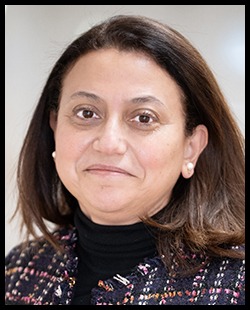
Refika Ersu, MD, Professor, Department of Pediatrics, University of Ottawa, Division of Pediatric Respirology, Department of Pediatrics, Children’s Hospital of Eastern Ontario Dr. Refika Ersu is a pediatric respirologist with a clinical and research expertise in sleep disordered breathing and chronic respiratory failure in children. After completing medical school and pediatrics residency in Istanbul, Turkey, she worked as a research fellow with Prof. Bush at Royal Brompton Hospital in London, UK. She then finished a 3-year pediatric respirology fellowship in Children’s Hospital Los Angeles, California, US. After working in Marmara University in Turkey, she moved to Canada and is currently working as a pediatric respirologist and director of sleep laboratory and home ventilation programs in Children’s Hospital of Eastern Ontario, Ottawa, Canada. She is also a senior researcher at the Research Institute and teaches and holds a professor position at University of Ottawa.
Dr. Christine E. Barron received her undergraduate degree in biochemistry from State University of New York Binghamton University in 1990 and received her medical doctorate from the State University of New York Health Science Center at Brooklyn in 1995. She completed her pediatric residency at Hasbro Children’s Hospital in Providence Rhode Island in 1998 and a Fellowship in Child Abuse Pediatrics (CAP) at Hasbro Children’s Hospital from 1998-2000. Dr. Barron established the Child Protection Program at UMass Memorial Children’s Medical Center in Worcester Massachusetts and led that program until she was recruited back to Rhode Island in 2004. At the Lawrence A. Aubin Sr. Child Protection Center (Aubin Center), Dr. Barron has served in several positions, including serving as the Division Director since 2013. The Aubin Center completes comprehensive medical evaluations for all infants, children, adolescents and young adults when there are concerns of any form of childhood abuse or neglect. Dr. Barron provides direct clinical care to patients, teaching additional learners (medical students, residents and fellows), and completes research across an array of topics within the field of CAP. Dr. Barron has led hospital and community wide multidisciplinary teams to address all aspects of child maltreatment including prevention, recognition, and response. She has received several teaching and community service awards and has over 30 peer-reviewed publications. Nationally, she has facilitated leadership and collaboration among CAP fellowship programs through the process of applying for ACGME accreditation, creating CAP EPAs and Milestones 2.0 for the CAP subspecialty. Throughout her career, pediatric medical education and clinically related research has remained a primary focus.
Allison Agwu, MD, ScM, is Professor of Adult and Pediatric Infectious Diseases at Johns Hopkins University (JHU) School of Medicine. Dr. Agwu received her BS from University of Maryland, MD from University of Maryland School of Medicine, and Masters of Science from Johns Hopkins Bloomberg School of Public Health. She completed her internal medicine/ pediatric residency at Case Western Reserve University and a combined adult and pediatric infectious disease fellowship at Johns Hopkins School of Medicine. Dr. Agwu oversees a clinical research program that aims to coordinate care, treatment, and research for vulnerable populations through a multidisciplinary and socially responsible lens. She cares for patients across the age spectrum, both in the pediatric and adult Ryan-White funded HIV clinics at Johns Hopkins, as the founder and medical director of the Accessing Care Early (ACE) Clinic and the Program Director of the Pediatric/Adolescent HIV/AIDS Program. She is also the Project Director of JH-WICY Partnership, a regional RW Part D funded program aimed at improving care for vulnerable populations in central Maryland. Dr. Agwu’ s independent research studies use multimodal approaches, including clinic and field-based/community-involved approaches and clinical trials. She is also involved with large national and international research groups (International Maternal Pediatric AIDS Clinical Trials’ Group (IMPAACT), Adolescent Trials’ Network (ATN), and Pediatric AIDS Virus Elimination (PAVE) Collaboratory) where she is actively involved in directing the research agenda and approaches. She is an active member of the U.S. Department of Health and Human Services’ Adolescent and Adult Antiretroviral Treatment Guidelines, past Chair of the HIV Medicine Association and of the Advocates for Youth Board, all spaces where she tirelessly advocates, especially for the youth.
Aline Andres, PhD, RD, CLC, Professor and Chief of Developmental Nutrition Department of Pediatrics University of Arkansas for Medical Sciences Aline Andres, PhD, RD, CLC, is Professor and Chief of Developmental Nutrition in the Department of Pediatrics at University of Arkansas for Medical Sciences and Project Leader at the Arkansas Children’s Nutrition Center. She completed her PhD in Nutritional Sciences at the University of Illinois at Urbana-Champaign. Dr. Andres’ research focuses on examining the effects of prenatal and postnatal nutrition and health on offspring growth, body composition, metabolism and development. Dr. Andres is an elected member of the National Academy of Medicine and was appointed to the 2025 Dietary Guidelines Advisory Committee.
Andrea G. (Andie) Asnes, MD, MSW, is Professor of Pediatrics at the Yale School of Medicine, Chief of the Section of Child Safety, Advocacy, and Healing in the Department of Pediatrics, and a board-certified Child Abuse Pediatrician. After receiving a master’s degree in social work from New York University, Dr. Asnes completed medical school and residency at the Mount Sinai School of Medicine. She spent two years as a Robert Wood Johnson Clinical Scholar at the University of Michigan before joining John Leventhal, MD in 2005 on the faculty at Yale where she has learned from and worked alongside him since. Dr. Asnes assumed leadership of the Yale Programs for Safety, Advocacy, and Healing, now the Section of Child Safety, Advocacy & Healing, in 2019. She is a current member of the Executive Committee of the American Academy of Pediatrics Council on Child Abuse and Neglect. Her scholarly interests include the support of frontline clinicians in the identification of abusive injury and the prevention of unneeded reports to child protective services. Dr. Asnes has an abiding interest in medical education and physician wellbeing and currently serves as Graduate Medical Education Director of Resident and Fellow Wellbeing at the Yale-New Haven Hospital. She has previously served as pediatric clerkship director, associate director of the MD/PhD program, and as pediatric residency program director at the Yale School of Medicine.
Dr. Christopher Baker is a Professor of Pediatrics in the Section of Pulmonary and Sleep Medicine at the University of Colorado School of Medicine. He is the Medical Director of the Ventilator Care Program at Children’s Hospital Colorado which provides comprehensive care for infants and children with tracheostomies and home mechanical ventilation. He is a recognized expert in the fields of chronic ventilation and bronchopulmonary dysplasia, the chronic lung disease of prematurity.
Dr. Christine E. Barron received her undergraduate degree in biochemistry from State University of New York Binghamton University in 1990 and received her medical doctorate from the State University of New York Health Science Center at Brooklyn in 1995. She completed her pediatric residency at Hasbro Children’s Hospital in Providence Rhode Island in 1998 and a Fellowship in Child Abuse Pediatrics (CAP) at Hasbro Children’s Hospital from 1998-2000.
Dr. Barron established the Child Protection Program at UMass Memorial Children’s Medical Center in Worcester Massachusetts and led that program until she was recruited back to Rhode Island in 2004. At the Lawrence A. Aubin Sr. Child Protection Center (Aubin Center), Dr. Barron has served in several positions, including serving as the Division Director since 2013. The Aubin Center completes comprehensive medical evaluations for all infants, children, adolescents and young adults when there are concerns of any form of childhood abuse or neglect.
Dr. Barron provides direct clinical care to patients, teaching additional learners (medical students, residents and fellows), and completes research across an array of topics within the field of CAP. Dr. Barron has led hospital and community wide multidisciplinary teams to address all aspects of child maltreatment including prevention, recognition, and response. She has received several teaching and community service awards and has over 30 peer-reviewed publications.
Nationally, she has facilitated leadership and collaboration among CAP fellowship programs through the process of applying for ACGME accreditation, creating CAP EPAs and Milestones 2.0 for the CAP subspecialty.
Throughout her career, pediatric medical education and clinically related research has remained a primary focus.
Dr. Melissa Bauserman is a neonatologist whose research centers on improving women’s and children’s health in low-income countries. Her research focuses on reducing newborn mortality, improving infant malnutrition, and understanding the perinatal effects of malaria in early pregnancy. She focuses much of her work in the Democratic Republic of Congo (DRC), where she leads the UNC-Kinshasa School of Public Health research partnership within the Eunice Kennedy Shriver National Institute of Child Health and Human Development Global Network for Women and Children’s Health Research. The Global Network is a multi-center, multi-national research group that includes 7 U.S. research sites partnered with 7 international research sites including the DRC, Zambia, India, Pakistan, Bangladesh, and Guatemala. Dr. Bauserman has worked on studies evaluating pre-conceptional and gestational etiologies of stunting of linear growth at birth. She has led a multi-national effort to evaluate the effects of malaria in early pregnancy. Dr. Bauserman has also piloted novel techniques to determine the role of parasitic infections and environmental enteropathy in growth stunting in infants in the DRC. She is the lead investigator for a multi-country trial evaluating novel neuroprotective agents for hypoxicischemic encephalopathy in low and low-middle-income countries. Her long-term research objectives are to reduce maternal, newborn, and child mortality in low-income countries by finding novel ways to treat hypoxic-ischemic encephalopathy, determining the perinatal effects of malaria in early pregnancy, and elucidate the determinants of stunting in infants and young children.
Dr. Samudragupta Bora is the founding director of the University Hospitals Health Services Research Center and an associate professor of pediatrics at University Hospitals Rainbow Babies & Children’s Hospital, Case Western Reserve University School of Medicine. He leads an extramural-funded research program focused on neurodevelopment in high-risk infants across diverse income settings globally. Dr. Bora’s contributions to pediatrics include outputs with direct translational impact, successful training of the next generation of scientists and clinician-scientists, and advancing diversity, equity, and inclusion within the academic pediatric community. He was born and raised in India and relocated to Cleveland from Australia.
Dr. Kao-Ping Chua is a primary care pediatrician and health services researcher at the University of Michigan Medical School. He is the Marilyn Fisher Blanch Research Professor of Child Health Policy and the Director of the Susan B. Meister Child Health Evaluation and Research Center. After completing the Boston Combined Residency in Pediatrics, he obtained a PhD in health policy from Harvard University, with a focus on the empirical methods used in policy evaluation.
Dr. Chua’s research focuses on slowing the U.S. opioid epidemic, improving the affordability of health care, reducing the use of low-value care, and identifying emerging trends in health care utilization among children and young adults. He has conducted seminal studies on the prevalence and safety of opioid prescribing to children and young adults, as well as some of the first national studies on the epidemiology and harms of opioid prescribing by U.S. dentists. Additionally, he has made key contributions to the measurement of low-value care in administrative databases, including the development of claims-based measures of low-value pediatric care and antibiotic overuse.
Dr. Chua has published over 100 manuscripts to date, including over 80 as first or senior author. His studies have been published in high-impact journals such as NEJM, JAMA, BMJ, JAMA Internal Medicine, JAMA Pediatrics, and Pediatrics, and regularly receive coverage from national media outlets such as The New York Times, CNN, and NPR. He is the recipient of the Academic Pediatric Association Young Investigator Award and the AcademyHealth Nemours Child Health Services Research Award.
Esther K. Chung, MD, MPH, is Professor of Pediatrics and Director of Advanced Patient Clerkships at the UW School of Medicine in Seattle, WA. A graduate of Columbia U. College of P&S, Esther has devoted the past three decades to academic medicine, formerly on faculty at Penn, UCSF, and TJU. With many contributions to our field, she served as Editor-in-Chief for the book, Visual Diagnosis and Treatment in Pediatrics, and Associate Editor for book, The 5- Minute Pediatric Consult; authored over 90 peer-reviewed publications and book chapters; and collaborated in maternal child health, childhood adversity, and health disparities research, while balancing leadership positions in research, direct patient care, medical education, and community advocacy. She resides in Seattle, WA, with her husband, Dennis, and is the proud mother of Marissa & Emma.
Sarita Chung, MD, is the Director of Disaster Preparedness in the Division of Emergency Medicine at Boston Children’s Hospital and Associate Professor of Pediatrics and Emergency Medicine, Harvard Medical School. Board certified in pediatrics and pediatric emergency medicine, Dr. Chung is actively involved in all aspects of pediatric emergency preparedness and response, including advocacy, research, education, and clinical care. In her current role as the chair of the American Academy of Pediatrics Council on Children and Disasters, she collaborates with federal partners and nongovernmental organizations to include the needs of children and their families throughout the disaster cycle. She previously served on the FEMA National Advisory Council and the HHS ASPR National Advisory Committee on Children and Disasters. In terms of her research, Dr. Chung published one of the first post-9/11 articles, examining the efficacy of web-based training in bioterrorism. Dr. Chung was the principal investigator of an EMSC Targeted Issue grant to develop a novel image based family reunification system which proved to be effective and led to the development of the AAP Family Reunification Following Disasters: A Planning Tool for Health Care Facilities. Her research has also included the effects of the H1N1 pandemic influenza on pediatric emergency departments, alternate care sites and laboratory testing as well as developing and testing educational curriculum for pediatric disaster preparedness for clinicians and public health professionals.
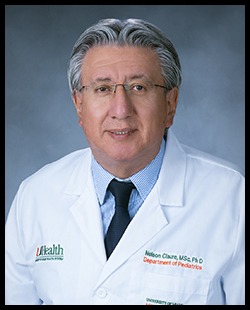
Dr. Nelson Claure is Professor of Pediatrics and Biomedical Engineering at the University of Miami. He is member of the Faculty of the Division of Neonatology and is the Director of the Neonatal Respiratory Physiology Laboratory. Dr. Claure has focused his research on improving the understanding of neonatal respiratory physiology and mechanisms and consequences of respiratory and oxygenation instability in the preterm infant. Dr. Claure work also includes the pioneering development of advanced strategies of ventilatory support and oxygen supplementation. Dr. Claure has mentored trainees in the Division of Neonatology and the Department of Pediatrics, as well as in the School of Engineering and outside institutions. Dr. Claure’s research has been funded by extramural NIH and foundation grants. Dr. Claure has published multiple peer-reviewed papers, reviews and book chapters. He has also contributed as a scientific reviewer for NIH, Canadian IHR and other U.S. and European academic and private foundations.
Dr. Valeria Cohran is a 1993 graduate of Tougaloo College in Tougaloo, MS with a B.S. in chemistry. She graduated from Washington University School of Medicine in 1997. She then completed her pediatric residency and pediatric gastroenterology fellowship at Cincinnati Children’s Hospital Medical Center in Cincinnati, OH. After completing an additional advanced training in intestinal failure and transplant Dr. Cohran became the Medical Director of Intestinal Rehabilitation and Transplant at Children’s Memorial Hospital, which is now the Ann & Robert H. Lurie Children’s Hospital of Chicago. She also serves as the Associate Chair for Health Equity at Lurie Children’s and is active in medical school education including working with the admissions committee at the Feinberg School of Medicine, Northwestern University.
Dr. Teresa del Moral earned her MD (1984) and PhD (1988) degrees from the University of Granada in Spain. After doing her Pediatric Residency training in Hospital Clinico in Granada, she came to the USA to do basic research at the University of Miami and subsequently stayed for General Pediatric and Neonatal-Perinatal training. Upon completion of sub-specialty training she remained at UM as Assistant Professor becoming Associate Professor in 2007 and Professor in 2020. She obtained an MPH by the University of Miami for the last 20 years as a neonatologist at the University of Miami/Jackson Memorial Hospital. Presently she leads the training and certification of neonatologists, neonatology fellows, and a large group of new residents from different programs including pediatrics, med-peds, family medicine and obstetrics. She expanded her educational role organizing neonatal resuscitation workshops, as a part of the international Miami Neonatology Conference and also outside of USA, initially as steering member of the Ibero-American Society of Neonatology and later through meetings across several countries. She collaborated with the translation of the Spanish versions of AAP Neonatal Resuscitation book, “Reanimación del Recién Nacido” 4th and 6th and 7th Editions. She collaborated with the Colombian Society of Neonatology (ASCON) to develop their neonatal resuscitation program. Likewise, in collaboration with the National Health Service of the Ministry of Health in Dominican Republic, she launched a network of facilitators to teach delivery room care to the hospitals with the greatest number of deliveries in the country. Since she became a member of the American Academy of Pediatrics Neonatal Resuscitation Program Steering Committee in 2021, she participates in the NRP Global Reach Program of the AAP.
Michael Dell, MD, is the Vice Chair for Education at Rainbow Babies & Children’s (RB&C) Hospital and Professor of Pediatrics at Case Western Reserve University (CWRU) School of Medicine. After receiving his undergraduate degree from Swarthmore College, he earned his M.D. degree from Harvard Medical School. He completed his Pediatrics residency and chief residency at the Children’s Hospital of Philadelphia. Following his training, he was a Clinical Assistant Professor of Pediatrics for two years at the Medical College of Pennsylvania/ Hahnemann University School of Medicine and St. Christopher’s Hospital for Children before joining the faculty at CWRU School of Medicine and Rainbow Babies & Children’s Hospital in 1998. He is a member of the divisions of Pediatric Hospital Medicine and Academic Pediatrics and Adolescent Medicine. He has served as the Director of Undergraduate Medical Education at RB&C since 1999 and the Vice Chair for Education since 2018, and he is active on numerous education committees for the hospital and the medical school. He has won numerous awards for teaching excellence, including the Kaiser Permanente Award for excellence in teaching, induction into the inaugural class of the Academy of Scholar Educators at CWRU School of Medicine and the inaugural class of Distinguished Physicians at University Hospitals. He was the founding Director of the CWRU Academy of Scholar Educators. He has been an active member of several national education organizations was recognized by the Council on Medical Student Education in Pediatrics with the 2025 COMSEP Teaching/Education Award. He has coauthored several papers and run workshops locally and nationally on medical education, with special interests in clinical decision making and the use of virtual patients for clinical education
Dr. David Dickens earned his Bachelor of Arts degree at Oberlin College and his Medical Doctorate at Upstate Medical University in Syracuse, New York. He completed his residency at the Children’s Hospital of Pittsburgh and fellowship at Cincinnati Children’s Hospital Medical Center. In February 2019, Dr. Dickens became a clinical professor at the University of Iowa’s Stead Family Children’s Hospital as the Dance Marathon Endowed Chair in Pediatric Cancer Clinical and Translational Research. Dr. Dickens holds numerous institutional and national leadership roles to support the needs of pediatric cancer patients and hopes to continue to collaborate strategically with national colleagues and organizations to further the needs of cancer patients and their families.
Dr. Inés Esquilín Rivera is a Professor in the Department of Pediatrics at the University of Puerto Rico School of Medicine and serves as Director of the Division of Pediatric Infectious Diseases. Her research centers on vaccine development and the epidemiology of arboviral diseases, including the neurotropic effects of congenital Zika infection. She is also involved in studies addressing perinatal exposure to antiretroviral agents and the prevention of pneumococcal, respiratory syncytial virus (RSV), and influenza infections.
Dr. Esquilín Rivera has served as principal investigator and co-investigator in multiple clinical research projects involving pediatric infectious diseases and vaccine development. From 2007 to 2017, she served as Principal Investigator for two Phase II clinical trials evaluating investigational dengue vaccines, the results of which were published in peer-reviewed journals. She was a member of the CDC Advisory Committee on Immunization Practices (ACIP) Dengue Vaccines Workgroup from 2018 to 2022 and collaborates with the Puerto Rico Department of Health in developing strategies to facilitate dengue vaccination across the island.
Since 2017, Dr. Esquilín Rivera has been a member of the World Health Organization (WHO)/Pan American Health Organization (PAHO) Arboviral Diseases Advisory Group and has participated in multiple educational initiatives related to the prevention of dengue and other arboviral infections in Puerto Rico. In 2025, she was appointed Associate Editor of the Puerto Rico Health Sciences Journal.
Dr. Faustino is a patient-oriented researcher who focuses on improving the outcomes of critically ill children. His research is focused on the prevention of venous thrombosis and its complications in children. He is the Principal Investigator of the NIH-funded Pathobiology, Epidemiology and Interventions against Thrombotic and Hemostatic Outcomes (PEITHO) Program. The goals of the PEITHO Program are (1) to conduct multi center observational studies that will inform the design and execution of interventional studies on venous thrombosis in children, (2) to conduct multi center randomized clinical trials on the prevention of venous thrombosis in children that will inform clinical practice, and (3) to leverage observational and interventional studies to understand the pathobiology of venous thrombosis in children.
After growing up mostly in northern New Jersey, Ada Fenick completed both her undergraduate and medical degrees at the University of Michigan. In 2004, after residency at Weill-Cornell Medical Center in Manhattan and 6 years of private practice pediatrics in Long Island, she came to Yale School of Medicine to teach and learn in the primary care center at Yale. She has taken part in two medical education fellowships – the Educational Scholar’s Program at the Academic Pediatric Association and the Medical Education Fellowship through the Yale School of Medicine Teaching and Learning Center, and has published on primary care education and health care delivery. Currently, she is a Professor of Pediatrics in the division of General Pediatrics at Yale School of Medicine. She is co-editor of the Yale Primary Care Pediatrics Curriculum (pcpc.yale.edu), used by over 100 training programs in the US. In addition, she serves as the medical director for the Medical-Legal Partnership Project at Yale New Haven Children’s Hospital (YNHCH) and statewide for the Center for Children’s Advocacy, as medical director for the School Based Health Centers at YNHCH, as associate clerkship director for pediatric primary care at Yale School of Medicine, and as a longitudinal coach for 12 amazing medical students.
Dr. Elizabeth Foglia is an Associate Professor of Pediatrics at the University of Pennsylvania and an academic neonatologist at the Children’s Hospital of Philadelphia and the Hospital of the University of Pennsylvania. She is a clinical investigator with a research agenda focused on (1) efficacy and safety delivery room resuscitation interventions; (2) physiologic monitoring during resuscitation; (3) neonatal respiratory management; (4) ethical aspects of neonatal research. She leads a productive clinical research group funded through NIH and PCORI, and she is passionate about mentoring junior faculty and trainees. Output from her group as had immediate impact on national and international neonatal resuscitation guidelines.
Dr. Foglia is the Scientific PI for the American Academy of Pediatrics Delivery Room Intervention and Evaluation (DRIVE) Network, a novel research consortium of delivery hospitals. She has served on multiple national and international resuscitation bodies, including the American Academy of Pediatrics Neonatal Resuscitation Program Steering Committee and the Neonatal Life Support Taskforce for the International Liaison Committee on Resuscitation.
Lisa Forbes Satter, MD, is an Associate Professor of Pediatrics, Section of Immunology, Allergy, and Retrovirology at Baylor College of Medicine (BCM) and Texas Children’s Hospital (TCH), Chief of the Texas Children’s Division of Immunology, Allergy, and Retrovirology, Director of the Texas Children’s William T. Shearer Center for Human Immunobiology, Director of the Jeffrey Modell Foundation Center, and Medical Director of the Texas Children’s Hospital Research Institute Center for Research Advancement.
Dr. Forbes Satter’s primary clinical and research focuses on immune deficiency and immune dysregulation, STAT transcription factor signaling defects in natural killer cells as well as novel gene discovery and therapeutic modulation in immune mediated disease. She has dedicated her academic career to translational research and clinical care of patients with rare immunologic disease through the development of multidisciplinary translational programs such as the TCH Immune Disorder Clinic Network, which connects the clinical care with novel disease and therapeutic discovery. Her work is geared toward understanding the mechanism of immune dysregulation to translate this knowledge into viable targeted and sustainable therapies.
She has 98 peer reviewed publications as well as NIH, industry and foundation funding. She is the President-elect for the Clinical Immunology Society and the 2019 recipient of the Norton Rose Fullbright award for excellence in Teaching and Education, 2020 recipient of the Baylor College of Medicine Department of Pediatrics Young Investigator Award and 2022 Baylor college of Medicine Women in Excellence Award.
I am a Professor of Clinical Pediatrics and attending neonatologist with an academic focus in medical education, particularly in curriculum design, evaluation, and assessment. With a master’s degree in medical education and adult learning theory, I have extensive experience in developing and implementing educational strategies both locally at the Children’s Hospital of Philadelphia (CHOP) and nationally. I co-designed the widely adopted Neonatology First Year Fellow Boot Camp and later led the creation of the National Neonatology Curriculum (NNC)—a flipped-classroom model designed to promote active learning through accessible, standardized education for neonatology fellows. Nationally, I have contributed to training program development as an elected member of the Organization of Neonatal-Perinatal Medicine Training Program Directors (ONTPD) Executive Council, launching virtual learning platforms during the COVID-19 pandemic and coordinating large-scale collaborative scholarship through initiatives like the ONTPD Writing Group and Fellows E-College. I have also helped shape national training standards through my work with the Accreditation Council of Graduate Medical Education (ACGME) Milestones 2.0 group and currently serve on the American Board of Pediatrics NPM sub-board and as Co-Chair of Fellows Education for the American Academy of Pediatrics Section on NPM. My career reflects a deep commitment to advancing equity, innovation, and excellence in medical education.
I graduated from Istanbul University Cerrahpasa School of Medicine, Istanbul, Turkey, completed my pediatric residency at Children’s Hospital at Montefiore, Bronx, NY and my Neonatal-Perinatal fellowship training at Wake Forest University, Winston-Salem, NC. I earned my MPH degree from New York Medical College, Valhalla, NY on Health Policy and Management. I am particularly interested in understanding and improving the short- and long-term outcomes of extremely premature babies by investigating interventions and decreasing complications to optimize their developmental outcomes. I have been involved in Preterm Erythropoietin Neuroprotection Trial (PENUT), The Neonatal Neuro-behavior and Outcomes in Very Preterm Infants (NOVI-ECHO), Extremely Low Gestational Age Newborns- Environmental influences on Child Health Outcomes (ELGAN-ECHO) and Developmental Impacts of NICU Exposures (ECHO_DINE) studies.
W. Christopher Golden, MD, FAAP, is an Associate Professor of Pediatrics at the Johns Hopkins University School of Medicine. He practices clinically in the NICUs at Johns Hopkins Hospital and Johns Hopkins Bayview Medical Center and serves as Medical Director of the Johns Hopkins Newborn Nursery and the Neonatal Nurse Practitioner Program. His clinical research interests include newborn bilirubin metabolism, congenital and neonatal infections, neonatal brain imaging, and care of healthy babies. He is also a pediatric medical educator, serving as Director of the Pediatrics Core Clerkship at Johns Hopkins. He has a keen interest in promoting equal opportunities for medical learners in undergraduate and graduate medical education. In collaboration with eight other national colleagues in medical education and student affairs, Dr. Golden has developed a workshop on addressing microaggressions in medical environments that has been presented virtually at medical schools and conferences nationally and internationally. Christopher has published multiple articles on topics in neonatology and medical education in respected medical journals such as Pediatrics, The Journal of Pediatrics, Academic Medicine, Academic Pediatrics, The Journal of Perinatology, JAMA Pediatrics, JAMA Otolaryngology-Head & Neck Surgery, and the American Journal of Obstetrics and Gynecology. Nationally, Dr. Golden has served as the Chair of the Pediatric Section of the National Medical Association (NMA, 2023-2025), currently serves on the editorial board of The Journal of Pediatrics and is the President-Elect of the Council on Medical Student Education in Pediatrics (COMSEP, 2027-2029).
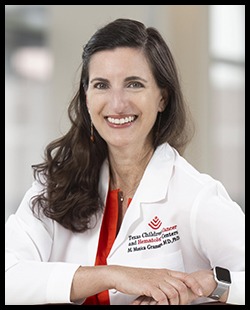
M. Monica Gramatges, MD, PhD, is a pediatric oncologist, physician scientist, and Professor of Pediatrics at Texas Children’s Hospital, Baylor College of Medicine. Her collaborative research investigates clinical, sociodemographic, and molecular risks underlying cancer therapy-related outcomes. Dr. Gramatges leads multi-institutional studies that build new, representative survivor cohorts that aim to understand and address cancer outcome disparities and studies that aim to expand access to guidelines-informed survivorship care. As Chair of the Children’s Oncology Group (COG) Outcomes-Survivorship Committee, she is a national leader in childhood cancer survivorship research. In this role, she provides mentorship to early career investigators and promotes research that is collaborative across multiple disciplines and that prioritizes interventions designed to prevent or mitigate adverse outcomes from cancer treatment.
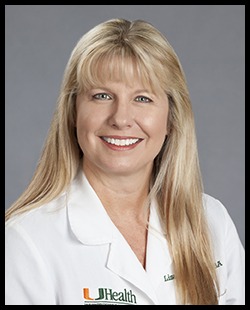
Lisa Gwynn, DO, MBA, MSPH, FAAP, is Professor of Clinical Pediatrics and Public Health Sciences at the University of Miami Miller School of Medicine and a nationally recognized leader in pediatric health policy, community pediatrics, and child health equity. She serves as Section Chief of Community Pediatrics and Associate Chair for Population Health & Advocacy and holds multiple medical director roles across school-based, mobile, and academic pediatric care settings.
Dr. Gwynn has deep expertise in designing, implementing, and scaling innovative clinical service models to reach underserved children and families, including school-based health centers, pediatric mobile clinics, and telehealth-enabled care delivery. Her work integrates clinical care, behavioral health, social services, and public health partnerships to overcome structural barriers to access and inform sustainable, policy-relevant solutions.
Her scholarship sits at the intersection of research, clinical innovation, and policy, with a focus on translating community-engaged research into evidence that informs pediatric health policy. She has served as principal investigator on major federal and foundation-funded initiatives, including NIH RADx-UP projects examining pediatric COVID-19 surveillance, vaccination outcomes, and implementation strategies in school and community settings.
A prominent national advocate for children, Dr. Gwynn has held numerous leadership roles within the American Academy of Pediatrics and state and national advisory bodies, contributing to legislative advocacy and national guidance on school health, immunizations, telehealth, and child well-being. Through her work, she advances evidence-based policies that strengthen pediatric systems of care and promote equitable health outcomes nationwide.
Jason B. Harris, MD, MPH, is a physician-scientist and Professor of Pediatrics at Harvard Medical School, where he holds the Ronald E. Kleinman Endowed Chair in Pediatrics. He is Chief of the Division of Pediatric Global Health and Infectious Diseases at the Massachusetts General Hospital and serves as Vice Chair for Faculty Affairs for the MassGeneral Brigham Department of Pediatrics.
Dr. Harris’s research focuses on the immunobiology, transmission dynamics, and prevention of enteric infections, particularly Vibrio cholerae and Klebsiella pneumoniae. He maintains longstanding collaborations in Bangladesh and Haiti and directs multiple NIH-funded cohort studies and clinical trials aimed at improving cholera control, understanding maternal and neonatal immunity, and addressing antimicrobial resistance. His work integrates field epidemiology, microbial genomics, and vaccine science and has contributed to health policy and capacity-building efforts in the U.S. and globally.
A dedicated mentor, Dr. Harris has supported the development of more than fifty trainees across clinical, translational, and global health research. He has led major faculty development initiatives at MGH and is recognized for advancing rigorous global health research, strengthening international partnerships, and shaping the next generation of pediatric scientists and leaders.
Tara O. Henderson, MD, MPH, FASCO, is the Founders’ Board Centennial Professor and Chair of Pediatrics at Ann & Robert H. Lurie Children’s Hospital of Chicago and Northwestern University Feinberg School of Medicine. A pediatric oncologist, she leads clinical, research, and education efforts focused on improving long-term health and quality of life for childhood and adolescent/young adult cancer survivors. Her work emphasizes evidence-based survivorship care, risk-based screening, and care-delivery innovations that connect survivors to specialized follow-up across the lifespan. She has served in national leadership roles, including on the ASCO Board of Directors (2020–2024), and is committed to mentoring the next generation of pediatric leaders and advancing equitable outcomes in child health.
Professor Petra S. Hüppi, MD, is Full Professor of Pediatrics at the University of Geneva and Chief of the Division of Child Development and Growth at Geneva University Hospitals (HUG). A pioneer in neonatal brain imaging, she has combined clinical neonatology with advanced neuroimaging to transform the understanding of early human brain development, particularly in preterm infants.
After medical training at the University of Bern, she completed extensive research fellowships at Harvard Medical School, where she continues to serve as a Visiting Scientist. Professor Hüppi has led numerous national and international research programs on brain development, multisensory interventions, and neuroprotection in premature infants.
She has held major scientific leadership roles, including Vice-Dean of the Faculty of Medicine (2019–2023) and Vice-President- of the International Society for Magnetic Resonance in Medicine (ISMRM). Her contributions have been recognized with prestigious distinctions such as the ISMRM Gold Medal (2023), the Max Cloetta Prize (2011), and the Prix Leenaards (2007).
Additionally, since October 2025, she leads the Department of Women, Child and Adolescent Medicine at HUG — overseeing a major multidisciplinary institution covering obstetrics, pediatrics, and adolescent medicine.
Dr. Janeway received her MD and a Masters of Medical Science from Harvard Medical School. She completed her pediatrics residency and her Pediatric Hematology-Oncology fellowship in Boston at Boston Children’s Hospital and Dana-Farber Cancer Institute where she was Chief Resident and Chief Fellow. She is an Associate Professor of Pediatrics and a Senior Physician who cares for young people with sarcoma. She is Pediatric Oncology Section Chief and Director of Clinical Genomics at Dana-Farber Cancer Institute. Dr. Janeway’s research is focused on genomics, precision oncology and bone sarcomas.
She leads clinical trials in osteosarcoma and Ewing sarcoma both as an independent investigator and as the Chair of the Children’s Oncology Group (COG) Bone Tumor Committee. The Janeway Laboratory has uncovered the genomic events causing and sustaining difficult-to-treat childhood solid malignancies. The laboratory leads several studies, which have enrolled and sequenced more than 2,500 patients with childhood cancers. They are using this data to deepen the understanding of clinical and genomic factors explaining prognosis and treatment response and resistance with a focus on sarcomas. In collaboration with the Broad Institute and Count Me In, the group is innovating patient partnerships in sarcoma research.
I am Professor of Pediatrics in the Division of Hospital Medicine at Cincinnati Children’s Hospital. I serve as Division Co-Director and before that was our Pediatric Hospital Medicine Fellowship Program Director. My scholarly interests include medical education with a focus in PHM fellowship education and professional development in medical operations. During my tenure as Chair of our national council for PHM fellowship program directors, I led the development of the national PHM fellowship curricular framework. I also serve as Deputy Editor for the Leadership & Professional Development column in the Journal of Hospital Medicine.
Jennifer M. Kalish, MD, PhD, is an Assistant Professor of Pediatrics and Genetics at the Perelman School of Medicine at the University of Pennsylvania and a pediatric geneticist at Children’s Hospital of Philadelphia (CHOP). She directs the Beckwith-Wiedemann Syndrome (BWS) Program of Excellence and holds the Lorenzo “Turtle” Sartini Jr. Endowed Chair in BWS Research at CHOP. Dr. Kalish is an internationally recognized expert in BWS and provides comprehensive care for patients worldwide. Dr. Kalish also organizes biennial educational conferences for families and providers, leads development of clinical practice guidelines for BWS, and lectures internationally on rare disease care and cancer predisposition. Her lab-based research focuses on epigenetic and cancer predisposition disorders, particularly the transition from normal growth to overgrowth and cancer, using rare diseases as models. She founded the active BWS Patient Registry, which collects clinical data and samples to understand the condition’s impact and tailor treatments. She also collaborates with national and international consortia to enhance research and care for children with rare genetic disorders. Beyond BWS, her work on ultra-rare disorders includes WAGR Syndrome, Simpson-Golabi-Behmel Syndrome and Malan Syndrome. Additionally, she mentors physician fellows, graduate students, and trainees in basic science, translational research and clinical genetics. Dr. Kalish has published extensively, and her work is supported by the National Institutes of Health (NIH) and multiple childhood cancer foundations.
Matthew Kelly, MD, MPH, is the Horace C. Cabe Distinguished Chair in Infectious Diseases, Professor of Pediatrics in the Section of Infectious Diseases, and Section Chief of Infectious Diseases at Arkansas Children’s Hospital and the University of Arkansas for Medical Sciences. He received his MD degree from Harvard Medical School and his MPH degree from the Harvard School of Public Health before completing his pediatrics training in the Boston Combined Residency Program in Pediatrics. He was a David N. Pincus Pediatric Global Health Fellow through the Children’s Hospital of Philadelphia, during which he worked as a pediatric hospitalist in Gaborone, Botswana and started an international research program focused on childhood pneumonia. He completed pediatric infectious diseases training at Duke University where his fellowship research focused on investigating the impact of the respiratory microbiome on the risk and severity of childhood respiratory infections. During his 8 years on the Duke faculty, Dr. Kelly served as Co-Director of the Duke Microbiome Center, Program Director of the Pediatric Infectious Diseases Fellowship, and Director of Research in the Division of Pediatric Infectious Diseases. He also played key roles in physician-scientist training as Associate Director of the Duke Pediatric Research Scholars Program and Associate Program Director for Physician-Scientist Development in the Duke University Office of Pediatric Education. He received the Pediatric Infectious Diseases Society Young Investigator Award in 2022, is a Fellow of the Pediatric Infectious Diseases Society, and currently serves as Co-Chair of the Research Subcommittee for this society. He is also a co-founder of the Child Pneumonia Working Group in the International Union Against Tuberculosis and Lung Disease.
His long-term career goal is to develop novel microbiome-based strategies for the prevention and treatment of childhood infections, particularly those for which the highest burden is among children in low- and middle-income countries. He leads a translational research program focused on understanding the roles of the upper respiratory microbiome and host-microbe interactions within the upper respiratory tract in modifying the risk and severity of pneumonia and other childhood respiratory infections. He also has active research programs investigating SARS-CoV-2 infection in children and the effect of the gut microbiome on outcomes of premature neonates and other immunocompromised groups of children.
Dr. Ellen Lipstein is a professor of pediatrics, general pediatrician and decision scientist focused on understanding and improving the ways parents and patients with chronic conditions collaborate with healthcare providers to make treatment decisions. She has published extensively and been funded by federal agencies, PCORI and foundations. Her program of research uses both qualitative and quantitative methods to answer questions about how decisions are made, what help families need in making decisions and how healthcare providers can better support families’ decision making. Her current projects include the development of a measure of triadic shared decision making, a study comparing decision engagement in in-person vs telehealth pediatric primary care, and another using shared decision making to help implement results from a randomized controlled trial. She’s been a national leader in pediatric decision science and mentors many junior faculty and trainees with interests in decision science.
Rishi Lulla is an internationally recognized pediatric neuro-oncologist and accomplished physician leader with nearly two decades of experience in academic medicine and health system operations. He currently serves as Vice President and Chief Medical Officer for Brown Health Medical Group, Chief Ambulatory Medical Officer for Brown University Health, Vice Chair of Clinical Affairs and Operations for the Department of Pediatrics and attending physician in the Division of Pediatric Hematology/Oncology at Hasbro Children’s. He holds the Alan G. Hassenfeld Endowed Chair in Pediatrics at The Warren Alpert Medical School of Brown University.
Dr. Lulla has led transformative initiatives to strengthen clinical operations, improve access and patient flow, and advance mental health care for children and adolescents. He has overseen the expansion of cutting-edge cancer and blood disorder programs and a robust clinical trials portfolio featuring more than 70 active studies. A trusted leader during the COVID-19 pandemic, he guided treatment and vaccination programs and launched the region’s first pediatric antiviral and monoclonal antibody center. He is equally committed to improving the care of children, adolescents and young adults with brain and spinal cord tumors and is actively engaged in basic science, translational and clinical research in pediatric malignant glioma.
Dr. Lulla earned his medical degree from Boston University and a Master of Science in Clinical Investigation from Northwestern University, where he also completed fellowships in pediatric hematology/oncology and neuro-oncology. He is board-certified in pediatric hematology-oncology and widely recognized for his collaborative leadership, mentorship, and commitment to innovation in pediatric care.
Judith M. Martin, MD, earned her bachelor’s degree from the University of Pennsylvania, and then her MD from Icahn School of Medicine at Mount Sinai, New York, NY. She came to UPMC Children’s Hospital of Pittsburgh where she completed her training: a pediatric residency, one year as pediatric chief resident, followed by a fellowship in pediatric infectious diseases. She began her career at Children’s as an instructor in the Division of Infectious Diseases, Department of Pediatrics, and one year later received a faculty appointment as an Assistant Professor. In 2006 she was promoted to associate professor; in 2013 she transferred from the Division of Infectious Diseases to the Division of General Academic Pediatrics, and in 2018, was promoted to professor of pediatrics.
Dr. Martin has been continuously funded since 1998, from sources such as the National Institutes of Health (NIH), Center for Disease Control and Prevention (CDC), the American Heart Association, and industry groups. Her research investigates common infectious diseases in pediatric populations and the effectiveness of specific vaccines and treatments. She has conducted several longitudinal studies of group A streptococcal infections in school-aged children and is a nationally recognized expert in the management of Streptococcal pharyngitis. Other areas of clinical research studies include management of acute otitis media, community-acquired pneumonia, urinary tract infections, and sinusitis. Dr. Martin has also participated in several surveillance studies of respiratory viral infections as well as numerous vaccine studies. These include recent studies of immunogenicity following influenza vaccination, a meningococcal vaccine in infants, and a monoclonal antibody study in infants. In addition, Dr. Martin has been the Director of the General Academic Pediatrics Clinical Trials Unit since 2016, having previously directed the Infectious Disease Clinical Trials Unit in the Division of Infectious Diseases. She leads a group of 7 physicians and over 20 staff members. The long-term goal of this research group is to improve the diagnosis and management of common pediatric infections that result in substantial utilization of health care resources. In 2020 she helped to create and became Co-Director of the Pittsburgh Vaccine Trials Unit and enrolled participants in five clinical research studies of SARS-CoV-2 vaccines; following over 800 adult and pediatric study participants.
Having long held an interest in the safe and ethical conduct of clinical research trials, Martin has held leadership positions in the university and the health system. She became a committee member for the Institutional Review Board at the University of Pittsburgh in 2007. Then, in 2013, she became vice-chair of a full review board committee in the Human Research Protection Office and has assumed additional duties as the Executive Vice-Chair.
Susan F. Massengill, MD, serves as Specialty Medical Director of Outpatient Services and Director of Pediatric Nephrology and Hypertension at Atrium Health. She earned her undergraduate degree from Meredith College and completed her medical degree and pediatric residency at East Carolina University and fellowship training at the University of Florida. Dr. Massengill joined Atrium Health in 1997.
Dr. Massengill has been involved locally with both the Lupus Foundation and National Kidney Foundation and served as Board Chair, National Kidney Foundation of North Carolina. She has received numerous honors, including the Lupus Foundation Physician Honoree (2005), NKF Service Volunteer Award (2007), NKF Clinical Excellence Award (2024), Atrium’s Pinnacle Award (2017) and several Atrium Health Touchstone Awards for quality improvement.
On the national level, she has served in leadership roles for the American Society of Pediatric Nephrology as a member of the steering committee for the ASPN Pediatric Nephrology Board Review Course. She serves as Associate Editor for Glomerular Diseases. She recently co-chaired an NKF Scientific Workshop on Improving Vaccination in Chronic Kidney Disease.
With philanthropic support, she established the Pediatric Nephrology Center of Excellence, focusing on education, research, quality initiatives, and outcomes. Her research focuses on proteinuric kidney diseases, chronic kidney disease and shared decision making in chronic illness, with leadership roles in multicenter studies and consortia such as NEPTUNE and Kidney Research Network (KRN). She has received the designation as a NephCure Nephrotic Syndrome Specialist and is a strong advocate for pediatric inclusion in nephrotic syndrome clinical trials.
Dr. Christina Master is Professor of Pediatrics and Orthopaedic Surgery at the University of Pennsylvania Perelman School of Medicine where she is a member of the Academy of Master Clinicians with over 32 years of pediatric experience. Dr. Master is board-certified in pediatrics, sports medicine, and brain injury medicine, and is the founding director of the Minds Matter Concussion Program at the Children’s Hospital of Philadelphia, which provides clinical care, community outreach and education, as well as conducts cutting-edge translational clinical research in youth concussion. She has past or current research funding from the Centers for Disease Control, Department of Defense, National Collegiate Athletic Association, and multiple institutes of the National Institutes of Health, (National Institute of Neurologic Diseases and Stroke, National Eye Institute, National Institute for Nursing Research). She currently serves on the National Academies of Science Engineering and Medicine Forum on Traumatic Brain Injury to accelerate progress in TBI research and care. She recently served as the Chief Medical Officer for the United States Olympic and Paralympic Committee for the Team USA delegation travelling to Paraguay for the Junior Pan American Games in August 2025.
Lucy Mastrandrea is a Professor of Pediatrics and Division Chief of Pediatric Endocrinology at the Jacobs School of Medicine and Biomedical Sciences, University at Buffalo, New York. She received her MD and PhD degrees from the University at Buffalo. Her early career as a pediatric endocrinologist focused on protein biochemistry and the role that sphingolipids play in pancreatic beta cell dysfunction in autoimmune diabetes and in insulin resistance in adipocyte models of obesity and Type 2 diabetes. Over time, she became more involved in clinical trials and translational research specifically focused on efficacy of therapies for children with diabetes and obesity. Dr. Mastrandrea serves as a collaborator with University at Buffalo investigators in the School of Engineering to optimize predictive algorithms for glucose monitoring in the field of automated insulin delivery for patients with Type 1 diabetes. She augments team science approaches to address problems related to executive function for individuals with obesity at risk for developing Type 2 diabetes. Dr. Mastrandrea is passionate about guiding the next generation of clinician scientists on their path to discovery – she has multiple collaborative efforts with trainees from the medical school and pediatric residency program. She is grateful to all of her mentors and champions who have supported her goals to provide optimal clinical care and advance the field of pediatric endocrinology.
Dr. Amit Mohan Mathur is the Division Chief of Neonatal-Perinatal Medicine and the William J. Keenan Chair in Neonatal-Perinatal Medicine at the Saint Louis University School of Medicine. He is the Medical Director of the AAP certified Level IV NICU at SSM-Health Cardinal Glennon Children’s Hospital. Dr. Mathur went to medical school at the University College of Medical Sciences, University of Delhi and completed his post graduate training in Pediatrics at Agra University. He was awarded a Membership of the Royal College of Physicians (Edinburgh) having trained in Pediatrics in the United Kingdom. He subsequently trained in Pediatrics at St. Louis Children’s Hospital and then completed his fellowship in Neonatal-Perinatal Medicine at the Washington University School of Medicine. After fellowship, he remained as faculty at Washington University School of Medicine where he served as Professor of Pediatrics and the Medical Director of the NICU before joining the Division at Saint Louis University School of Medicine. His primary research has been in neonatal neurology with a focus on clinical and translational research in neonatal hypoxic-ischemic encephalopathy and neuroprotection, MR imaging of the neonatal brain, neonatal seizures and optimizing sensory stimuli and developmental care in the NICU for premature infants. His research has been funded by the NIH, Thrasher and Gerber foundations. He has served as co-chair of the membership committee of the Newborn Brain Society. Dr. Mathur retains a passion for mentoring trainees and junior faculty and strives for excellence in clinical care and improving outcomes for NICU graduates.
Kenneth Michelson, MD, MPH, is a practicing specialist in pediatric emergency medicine, treating ill and injured children in the Ann & Robert H. Lurie Children’s Hospital of Chicago emergency department. He is a national authority on pediatric emergency care performance, emergency department closures, and diagnostic error in the emergency department. Dr. Michelson’s work has been funded by the Agency for Healthcare Research and Quality and the National Institutes of Health. His passion and goal is to improve emergency care system performance for children so that all children have access to outstanding emergency care for serious illness and injuries.
Dr. Ulrike Mietzsch is Professor of Pediatrics at the University of Washington School of Medicine and Neonatologist with sub-specialization in neonatal neurocritical care. She is the Co-Director of the Neonatal Neurocritical Care Program (NeuroNICU) at Seattle Children’s Hospital and associated program director of the neonatal neurocritical care fellowship. Her research interest is in translational neuroscience and focuses on the investigation of physiologic biomarkers, energy metabolites, and genetic contribution to neonatal hypoxic-ischemic brain injury. Additionally, she has longstanding expertise in utilizing large disease focused datasets to better understand the longitudinal impact of prenatal and neonatal brain injury on long-term neurodevelopmental outcome in critically ill neonates.
I am a combined internal medicine and pediatrics hospitalist and researcher dedicated to improving care for patients with complex health needs and their caregivers. My vision is to design, implement, evaluate, and scale care models and interventions that reduce care fragmentation and improve the delivery of complex care. My research focuses on the application of implementation science, pragmatic trials, digital health, and community-engaged research methods toward improving systems of care for children and youth with special health needs and their families.
Dr. Jennifer C. Muñoz Pareja is an Associate Professor of Pediatrics at Holtz Children’s Hospital and a scientific faculty member at The Miami Project to Cure Paralysis at the University of Miami Miller School of Medicine. She earned her medical degree from Universidad del Norte in Colombia, completed her pediatric residency at Nicklaus Children’s Hospital in Miami, and pursued fellowship training in pediatric critical care at Massachusetts General Hospital, Harvard Medical School.
Dr. Muñoz Pareja’s academic work centers on pediatric neurocritical care, with a particular focus on neuroinflammation and the development of blood-based biomarkers to diagnose, monitor, and predict outcomes after brain injury in critically ill children. Her translational research integrates bench-to-bedside approaches to improve precision care for patients with traumatic and acquired brain injury.
A committed global health advocate, she serves as Co-Chair of Emergency Neurological Life Support (ENLS) for the Neurocritical Care Society and Co-Chair of Global Neurocritical Care for the Pediatric Neurocritical Care Research Group. In these roles, she leads international educational initiatives and capacity-building programs aimed at improving neurocritical care for children worldwide.
Ross E. Myers, MD, is a pediatric pulmonologist and the Director of the Pediatric Residency Program at UH Rainbow Babies & Children’s Hospital. He serves as Professor of Pediatrics and a Master Teacher in the Academy of Scholar Educators at Case Western Reserve University School of Medicine.
Dr. Myers is a nationally recognized clinician-educator whose work has significantly influenced pediatric graduate medical education. As Residency Program Director, he leads curriculum innovation, competency-based assessment, and faculty development initiatives that elevate the training experience for pediatric residents. He has played a major role in evaluating and advancing X+Y scheduling within pediatrics, supporting programs nationwide in redesigning clinical structures to improve resident education, wellness, and continuity of care.
His leadership extends nationally through his service on the Association of Pediatric Program Directors (APPD) Board of Directors, where he contributed to strategic priorities shaping the future of pediatric residency training. He also currently serves as Co-Director of the Academic Pediatric Association (APA) Educational Scholars Program, a role in which he mentors early-career clinician-educators across the country and guides the development of high-quality educational scholarship.
Kristen Nadeau, MD, MS, is Professor of Pediatric Endocrinology, Vice Chair of Clinical Translational Research for the Department of Pediatrics, Section Head of Pediatric Endocrinology, and Co-Chair, University of Colorado’s NIH Diabetes Research Center’s Clinical Research Core, whose work is focused on reducing long-term complications of pediatric diabetes and obesity in youth, including mechanisms of insulin resistance (IR), β-cell dysfunction, cardiovascular (CVD), hepatic and renal disease. As the pediatric PI of the NIDDK multi-center U01 RISE study of β-cell preservation, a leader in NIDDK’s TODAY U01 study and chair of the JDRF-funded multi-center study of metformin and IR in obese youth with T1D, she demonstrated the key role of IR in cardiovascular and renal disease in both T1D and T2D and that youth-onset T2D is more aggressive and treatment-resistant than adult-onset. She is MPI of the STOMP 2-site R01 studying bariatric surgery in youth-onset T2D, and just completed an NIH K24 grant focused on mentoring a pipeline of diverse clinician scientists in diabetes and CVD research. She is currently the Vice Chair and site PI for the NIDDK DISCOVERY 15-site U01 study seeking to understand precursors of type 2 diabetes in youth. Dr. Nadeau is a recent recipient of the ADA’s Outstanding Scientific Achievement Award and the JDRF Mary Tyler Moore and S. Robert Levine MD, Excellence in Clinical Research Award.
Dr. Amy Taylor Nathan is a neonatologist and the Associate Division Director of Neonatology at Cincinnati Children’s Hospital Medical Center. She received her medical degree from Yale University, and then completed a Pediatric residency and Neonatology fellowship at the University of North Carolina at Chapel Hill. In her current role she oversees the clinical operations of the division and focuses on the recruitment and retention of talented providers, as well as career development for junior faculty.
Dr. Nathan is passionate about improving outcomes for sick and premature infants and co-directs the quality improvement program in nurseries across the Cincinnati region. She has tackled some of the most challenging problems in neonatology, including bronchopulmonary dysplasia (BPD), necrotizing enterocolitis (NEC), and burnout amongst providers. The team she led on reduction of NEC was recognized with the Distinctive Achievement Award from the Children’s Hospital Association at their national Quality Conference (2015). She teaches Quality Improvement methodology to junior faculty and fellows, especially focusing on the psychology of change. Across the institution Dr. Nathan has served on the Reappointment, Promotion and Tenure Committee, and has recently been elected as President of the Medical Staff.
Michael L O’Byrne, MD, MSCE, is an Associate Professor of Pediatrics at the Perelman School of Medicine at the University of Pennsylvania and an Interventional Cardiologist in the Division of Cardiology at The Children’s Hospital of Philadelphia. He is core faculty in CHOP’s Clinical Futures program as well as Penn’s Leonard Davis Institute for Healthcare Economics and Cardiovascular Outcomes, Quality, and Evaluative Research Center. He is the Director of CHOP’s Cardiac Center Clinical Research Core. He was recently named the Inaugural Director for Clinical Research in the CHOP Cardiovascular Institute, an effort to create a comprehensive research effort in pediatric-congenital cardiology. He is co-Director of Cardiac Networks United, an organization that supports and connects congenital heart disease registries to facilitate high quality research and QI. He is Associate Director of the Congenital Cardiac Catheterization Project on Outcomes (C3PO), a national QI and research group in pediatric/congenital interventional cardiology.
Dr. O’Byrne’s research focuses on improving outcomes in patients with congenital and acquired heart disease. This combines use of large observational datasets to assess quality of care and practice variation between hospitals, comparative effectiveness research, and patient-centered outcomes of patients undergoing cardiac procedures and their families. He has longstanding research funding from foundations, industry, and from the federal government including a current R01 supporting work evaluating the accuracy of pulse oximetry across the spectrum of skin color.
Dr. O’Byrne graduated with an AB degree magna cum laude in Neurobiology from Harvard University in in 2001, followed by an MD from Columbia University’s College of Physicians and Surgeons in 2007. His internship and residency were completed at The Children’s Hospital of Philadelphia, followed by a fellowship in pediatric cardiology and advanced fellowships in pediatric cardiovascular research and interventional cardiology. He completed an MSCE from the University of Pennsylvania in 2014. He re-joined the faculty at CHOP in his current position in 2017.
I am a Pediatric Oncology physician-scientist with a passion for translational research and expertise in the care of pediatric patients with solid tumors. I serve as the Clinical Director of the Pediatric Solid Tumor Program and Medical Director of the Liver Tumor Center of Excellence at Dana-Farber Cancer Institute and Boston Children’s Hospital. In my role as Director of the Solid Tumor Program, my overarching goals include guiding clinical research initiatives in concert with our experimental therapeutics division and overseeing our clinical care and clinical research infrastructure. The Liver Tumor Center of Excellence collaboratively unites individuals of a broad multidisciplinary expertise to deliver care to children with these exceptionally rare tumors. Nationally, I Chair the Children’s Oncology Group Liver Tumor Committee which provides a far-reaching collaborative network through which to conduct clinical trials for patients with these rare and often difficult-to-treat tumors. Additionally, my clinical research is focused on designing clinical trials to bring novel immunotherapeutics to pediatric patients
Dr. Javier Oesterheld is a pediatric hematologist-oncologist passionate about improving outcomes for children with cancer and blood disorders. He currently serves as Clinical Professor of Pediatrics at Wake Forest University School of Medicine and Senior Specialty Medical Director for Levine Children’s Cancer and Blood Disorders at Atrium Health. He also holds the Jeff Gordon Children’s Foundation Endowed Chair in Pediatric Cancer and Blood Disorders.
Dr. Oesterheld’s journey began with a B.A. in Behavioral Neuroscience from Lehigh University, followed by his M.D. from Universidad Central del Caribe School of Medicine. After completing pediatric residency in Newark, NJ, and fellowship training at Columbia University Medical Center in New York, he dedicated his career to advancing pediatric oncology care through research, innovation, and collaboration.
Over the years, he has led initiatives such as founding the Developmental Therapeutics Program at Levine Children’s Hospital, creating access to early-phase clinical trials for children with relapsed or refractory cancers. His research focuses on sarcomas, neuroblastoma, and precision medicine, and he has served as principal investigator on numerous national and international studies. Dr. Oesterheld is also the founding chair of the ARISE Consortium, a collaborative network of institutions working to accelerate pediatric cancer research.
Beyond his academic and clinical roles, Dr. Oesterheld values mentorship and teamwork. He has guided residents, fellows, and faculty in their professional development and actively participates in leadership committees that shape pediatric care. His commitment extends to the community through board service with organizations like the Jeff Gordon Children’s Foundation and Isabella Santos Foundation, as well as fundraising efforts for childhood cancer research.
What drives him most is the opportunity to bring hope to families and improve the lives of children facing life-threatening illnesses. He believes in the power of collaboration—among clinicians, researchers, and families—to create meaningful change in pediatric oncology.
Cynthia Ortinau, MD, MSCI, is a neonatologist and clinician scientist with expertise in neonatal neurology and neonatal cardiology. She leads the Cardiac Neurosciences Group at Washington University in St. Louis, is Co-Chair of the Cardiac Neurodevelopmental Outcome Collaborative, is a member of the Pediatric Academic Societies and is an NIH-funded investigator. Her research is grounded in collaborative, multidisciplinary, team science that leverages brain magnetic resonance imaging techniques to discover risk factors for adverse neurodevelopmental outcomes in high-risk populations. Her primary area of focus within neurodevelopmental outcomes research is the study of brain development and brain injury in patients with congenital heart disease. Dr. Ortinau’s overarching goal is to identify underlying pathways of brain disturbances that inform therapeutic targets for neuroprotection.
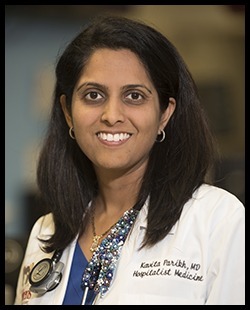
Dr. Kavita Parikh, MD, MSHS, is a board-certified Pediatric Hospital Medicine (PHM) attending at Children’s National Hospital (CNH) in Washington DC. She was promoted to Professor of Pediatrics with Tenure at The George Washington University School of Medicine and Health Sciences in 2024 and was honored with an endowed chair as the Wendy Goldberg Professor of Translational Research in Child Health and Community Partnerships in 2025. Dr. Parikh serves as the Research Director of the Division of Hospital Medicine and Medical Director of Quality & Safety Research at CNH. Dr. Parikh completed undergraduate training at Brown University, received her medical degree from Cornell Medical College, and then completed her residency at the Children’s Hospital of Philadelphia. She completed her Pediatric Hospital Medicine fellowship at Children’s National Hospital and joined faculty at Children’s National Hospital in 2008. Dr. Parikh serves in several national leadership roles, including national research networks and advisory boards. Dr. Parikh is dedicated to mentorship of trainees and junior faculty – both locally and nationally – and has been recognized by mentorship awards at Children’s National as well as national awards in research and quality & safety. Dr. Parikh completed fellowship in the Executive Leadership in Academic Medicine (ELAM) program (2024-2025) and recently accepted to the Academic Pediatric Society (APS) in 2025.
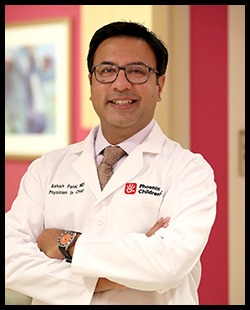
As Physician-in-Chief for Phoenix Children’s, Ashish Patel, MD, provides clinical and administrative leadership for key health system operations including emergency and diagnostic medicine, the Center for Cancer and Blood Disorders, the aerodigestive clinic and medical subspecialties. In addition, he oversees hospital medicine, mental and behavioral health, and Phoenix Children’s Pediatrics. He is also a practicing pediatric gastroenterologist.
Dr. Patel joined Phoenix Children’s in 2020 as division chief of gastroenterology, hepatology and nutrition. During his time as division chief, he grew the division to 25 physicians plus 55 specialists, dietitians, nurses and medical assistants who deliver care throughout the healthcare system. Dr. Patel is committed to training the next generation of physicians and was instrumental launching a pediatric gastroenterology fellowship program, accredited by the Accreditation Council for Graduate Medical Education (ACGME). This program was the first at Phoenix Children’s and the first in Arizona.
Dr. Patel received his medical degree from Texas A&M University Health Science Center. He completed his pediatric residency at Texas A&M Health where he also served as chief resident, followed by a fellowship in pediatric gastroenterology at the Universityd of Texas Southwestern Medical Center.
Caroline R. Paul, MD, is a Professor in the Department of Pediatrics and the Associate Dean, University of Kentucky College of Medicine -Bowling Green Campus. In addition to her role as the Dean of the campus, she is striving to mitigate the Pediatric workforce crisis with community preceptors’ engagement, curricula development and advising.
Caroline served as faculty at the University of Wisconsin School of Medicine and Public Health. She was a clinic preceptor for students and residents as well as a mentor for continuity clinic residents for more than 10 years.
At the NYU Grossman School of Medicine, she served as the Co-director for Faculty Development in the Department of Pediatrics and as core faculty at the NYU Institute for Innovation in Medical Education. Here, she focused on collaborations that build a framework for medical education scholarship and research and instill further rigor in NYU’s innovations to advance medical education research and outcomes.
Overall, she brings her prior practical teaching roles such as Pediatric site clerkship director, rotation director, student and continuity clinic preceptor, and course director to promoting rigor in education activities and supporting educators in turning innovations into scholarship.
Having completed fellowships in curriculum design and outcomes measures, she uses both quantitative and qualitative research methodologies to study a breadth of medical education topics including outcomes measures, clinical skills acquisition, health disparities, validity evidence, and bias. Specific to Pediatrics, Caroline has published significantly in Pediatric Otoscopy, aiming to standardize and bring rigor to this important Pediatric topic for learners of all levels from the medical student to the practicing Pediatrician.
Caroline has collaborated with pediatric researchers and educators to add to the body of medical research and scholarship literature in topics whether in publications or co-leading over 100 workshops. Further, Caroline has served in several Pediatric research and scholarship leadership roles including as the current Chair of the Pediatric Academic Societies’ Workshops and Chair of the Council on Medical Education in Pediatrics (COMSEP) Grants Committee. As the co-chair of the COMSEP Research and Scholarship Taskforce for 5 years Caroline led efforts to grow medical education and scholarship efforts in Pediatrics. She served as a co-chair of the APA COVID-19 Scholarship Dissemination Taskforce. Finally, she served as a co-leader for the APA Qualitative Research SIG contributing to the body of qualitative research as a clinical educator and the growth of faculty within the Pediatric Academic Societies.
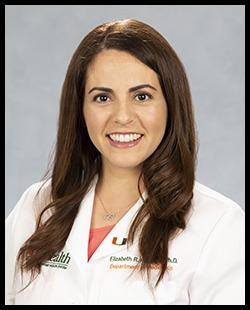
Dr. Elizabeth Pulgaron is a bicultural, bilingual, licensed psychologist, who has dedicated her career to increasing access to quality mental health care for at-risk and marginalized youth. Her specialty by training is pediatric psychology, she has worked continuously with interdisciplinary teams across multiple settings and systems. During her career she has worked on various research protocols for families of children with chronic conditions (such as sickle cell disease, persistent asthma, diabetes, and obesity) including multisite NIH funded longitudinal trials and randomized control trials. She has spent a significant amount of her professional career working in the community. Schools, community centers, primary care offices, and summer camps are all setting in which she has provided services and conducted clinical research. Dr. Pulgaron is an Associate Professor of Clinical Pediatrics at the University of Miami’s Miller School of Medicine, and the Director of Psychosocial Services for the John T. McDonald School Health Initiative. She provides direct clinical services, supervise social workers, psychology residents and fellows, and engages in clinical research in community settings. Dr. Pulgaron has developed and successfully implemented mental health screening protocols in school-based health centers. She advocates for students’ psychosocial functioning by serving as the Chair for the School Health Advisory Committee for Miami-Dade County Public Schools and lead the Promoting Behavioral Health Interprofessional Collaborative at the Mailman Center for Child Development.
Jose Bernardo Quintos, MD, is the Aqua Clinical Professor of Pediatric Medicine (Endowed Chair) at The Warren Alpert Medical School of Brown University and the Division Chief of Pediatric Endocrinology and Diabetes at Rhode Island Hospital/Hasbro Children’s Brown University Health. Dr. Quintos was the Chair of the Sub-board of Pediatric Endocrinology of the American Board of Pediatrics (ABP) from 2023-2024. He is the site Principal Investigator (PI) for the TrialNet Pathway to Prevention Program at Hasbro Children’s Brown University Health. He is a passionate clinician educator and researcher who has mentored undergraduates, medical students, residents, and endocrinology fellows.
Rubén E. Quirós-Tejeira, MD, is the Chief of Pediatric GI, Hepatology & Nutrition at the University of Nebraska Medical Center (UNMC) and Children’s Nebraska, a Tenured Professor of Pediatrics and the Vice-Chair of Internal Affairs for the Department of Pediatrics at UNMC. He is the program director for the pediatric GI and pediatric transplant hepatology fellowships. Dr. Quiros Tejeira received his medical degree at the Universidad de Panama, Panama (1986). He completed his pediatric residency at Hospital del Niño in Panama (1988-1991) and at Nemours Children’s Hospital/Thomas Jefferson University (1993-1995). He did a pediatric GI, Hepatology & Nutrition fellowship at UCLA (1995-1998) and an Advanced Clinical Pediatric GI, Hepatology & Nutrition fellowship that included training in pediatric transplant hepatology at UCLA (1998-2000). As a researcher, he has multiple publications in the areas of chronic liver disease, liver/intestinal and multvisceral transplantation, intestinal failure & rehabilitation, nutrition and obesity in children as well as medical education and professional standards in his field.
Dr. Raghavendra Rao is a tenured Professor in the Department of Pediatrics and Director of the Division of Neonatology at the University of Minnesota Medical School. A board-certified neonatologist, he provides clinical care in the neonatal intensive care unit at the University of Minnesota Masonic Children’s Hospital and was instrumental in establishing a tele-neonatology program for his hospital system.
Dr. Rao is an established physician scientist. His research centers on neurodevelopment under adverse perinatal conditions, with a primary focus on brain dysfunction caused by early-life iron deficiency. His work in this area includes identifying early biomarkers and developing novel therapeutic strategies. Spanning basic science through randomized clinical trials in newborn infants, his research is supported by the NIH and other funding agencies. He has published more than 140 peer-reviewed manuscripts and book chapters.
Dr. Rao has served as a standing member of the NIH Pregnancy and Neonatology Study Section as well as other national and international grant agencies. He is an elected member of the Society for Pediatric Research, the Midwest Society for Pediatric Research, the Perinatal Research Society, and the American Academy of Pediatrics. He is a past President of the Midwest Society for Pediatric Research and recipient of its Founders Award, in recognition of his contributions in developing the careers of academic pediatricians and fostering advances in pediatric research.
Abby R. Rosenberg, MD, MS, MA, is the Chief of Pediatric Palliative Care at the Dana-Farber Cancer Institute, Director of Palliative Care at Boston Children’s Hospital and an Associate Professor of Pediatrics at Harvard Medical School. She completed her Medical Degree at Stanford University School of Medicine, and her Pediatrics Residency and Fellowship training at Seattle Children’s and the University of Washington. She also holds advanced degrees in epidemiology and biomedical ethics. Dr. Rosenberg’s research focuses on developing and implementing programs to enhance resilience and improve quality of life among young people with serious illnesses and their families. She has published over 275 peer-reviewed manuscripts on pediatric and adolescent/young adult (AYA) palliative care and spoken at over 100 venues worldwide. Dr. Rosenberg has received numerous honors, including the 2021 University of Washington Faculty Mentoring Award, the 2022 American Cancer Society Lifetime Achievement Award, the 2023 Pathfinder in Palliative Care Award, the 2024 Palliative Care Visionary Award from the American Academy of Hospice and Palliative Medicine, and 2025 membership in the American Society of Clinical Investigators.
Christopher J. Russell, MD, MS, is an academic pediatric hospitalist at Lucile Packard Children’s Hospital and an Associate Professor of Pediatrics at Stanford University. His clinical responsibilities including attending on the pediatric inpatient service at Lucile Packard Children’s Hospital. His research focuses on developing evidence-based care for hospitalized children with medical complexity, including acute respiratory infections such as pneumonia and bacterial tracheitis. His research efforts have been recognized through receipt of the USC Clinical and Translational Science Institute’s KL2 Mentored Research Career Development Award (2014-16), the Academic Pediatric Association’s Young Investigator Award (2015-16), the NIH/NHLBI Loan Repayment Program (2017-2021) and a grant from the Gerber Foundation (2020-2022). Most recently, he received a five-year R01 award (2021-2026) from the Agency for Healthcare Research and Quality to lead a multicenter prospective observational study on bacterial respiratory infections in child with tracheostomy. Outside of his clinical and research responsibilities, Dr. Russell focuses on research mentorship of medical students, pediatric residents, and pediatric hospital medicine fellows as well as improving representation of underrepresented minorities in medicine throughout the continuum of physician training. Dr. Russell is on the Executive Committee for the Pediatric Research in Inpatient Settings research network and currently serves as an Associate Editor for the journal Hospital Pediatrics.
Richard A. Saladino, MD, is Professor of Pediatrics and Senior Associate Vice Chair (AVC) for Faculty Affairs in the Department of Pediatrics at the University of Pittsburgh School of Medicine. As an AVC, Dr. Saladino is a member of the Office of Faculty Development and curates leadership excellence programs for the faculty of the Department of Pediatrics and provides career coaching for faculty members at all levels of experience and responsibility. As Chair of the Department of Pediatrics Promotions and Appointments Committee, Dr. Saladino provides support and guidance for faculty through the academic promotion process.
Dr. Saladino was Division Chief of Pediatric Emergency Medicine in the Department of Pediatrics from 2000 through 2018 and Medical Director of the Emergency Department of UPMC Children’s Hospital of Pittsburgh. He was an inaugural member elected to the Academy of Distinguished Medical Educators in the University of Pittsburgh School of Medicine. Dr. Saladino’s scholarship includes both laboratory and clinical research. His work in animal models of serious bacterial infection and sepsis provided critical data regarding the minimum protective antibody levels against pneumococcal disease, ultimately undergirding the development of a vaccine widely used to protect children from the Streptococcus pneumoniae bacteria. His clinical research includes a broad spectrum of investigations, including evaluation and management of childhood trauma and critical illnesses, cognitive stress and racial bias in the emergency department, and EMR screening tools for sepsis and child abuse.
Juan Carlos Salazar, MD, MPH, is Professor and Chair of Pediatrics at Vanderbilt University School of Medicine and System Pediatrician-in-chief for Monroe Carell Jr. Children’s Hospital at Vanderbilt University Medical Center (VUMC). Prior to joining VUMC, Dr. Salazar was Professor and Chair of Pediatrics at the University of Connecticut School of Medicine and Executive Vice President for Academic Affairs and Physician in Chief for Connecticut Children’s. Dr. Salazar has been nationally and internationally recognized for both his outstanding clinical care, national and international advocacy efforts, and his innovative global health research work. Dr. Salazar has received several National Institutes of Health grants to study the human innate immune response to Borrelia burgdorferi and Treponema pallidum, the causative agents of Lyme disease and syphilis respectively. He is currently funded by the NIH to develop a first of its kind syphilis vaccine. The NIH funded project includes investigators in China, Malawi, Cali, Colombia and the US. In 2021 his team received funding from the National Institutes Child Health and Development Institute (NICHD) to study the pathogenesis of COVID-19 and the multi-inflammatory syndrome associated to COVID-19 in children and young adults. He is a co-investigator in the NIH funded RECOVER COVID-19 long term follow up study and serves as Chair of RECOVER’s Ancillary Studies Oversight Committee. He has served as a reviewer for multiple study sections at the NIH. He recently served as a standing member of the prestigious human bacterial host interactions (BHI) study section at NIAID (2022-25). He has published over 130 peer reviewed articles and book chapters, and has been widely featured in the national media, including CNN, PBS, CNBC, Univision, and Telemundo.
Dr. Salazar also directed the Pediatric and Youth HIV program at Connecticut Children’s for 27 years. His team promoted and facilitated regional STD and HIV-prevention programs for at-risk youth. Dr. Salazar was the recipient of three different Ryan White Care Act federal funds to coordinate and provide statewide HIV treatment and prevention services for women, infants, children and youth. He has conducted several NIH and pharmaceutical industry sponsored pediatric and adolescent HIV clinical trials and long-term follow-up studies.
He earned his medical degree from the Universidad Javeriana, in Bogota, Colombia, and his MPH from the University of Minnesota respectively. He completed a residency in Pediatrics at the University of Connecticut Health Center, where he also served as chief resident, and a post-doctoral fellowship in Pediatric Infectious Diseases at the University of Minnesota. He is board certified in both Pediatrics and Pediatric Infectious Diseases, is a fellow of the American Academy of Pediatrics and a member of the Infectious Diseases Society of America (IDSA) and the Pediatric Infectious Diseases Society of America (PIDSA). Dr. Salazar has received several meritorious awards throughout his career, recognizing his teaching and expert clinical care, academic achievements and outstanding accomplishments in community advocacy, medical education and pediatric and global research.
Dr. Terrence Sanger is a child neurologist specializing in movement disorders and a computational neuroscientist. He is the founding director of the movement disorders clinical program and the pediatric deep-brain stimulation program at Children’s Hospital of Orange County (CHOC). Dr. Sanger is also Vice Chair of Research for Pediatrics and Chief Scientific Officer at Children’s Hospital of Orange County. He is a Professor of Electrical Engineering and Computer Science at the University of California, Irvine, where he is also the director of the pediatric movement disorders research laboratory. The laboratory uses theoretical methods from Electrical Engineering, Signal Processing, and Robotics to investigate mechanisms and treatments for childhood movement disorders. Publications include topics in Childhood Movement Disorders, Motion Kinematics, Biofeedback technology, Human Electrophysiology and Motor Control, Human Movement Science, Computational Neuroscience, Machine Learning, Signal Processing, Control Theory, Robotics, and Nonlinear Systems. The laboratory has investigated several technologies for children, including deep-brain stimulation, touch-screen communication devices, myoelectrically controlled computer interfaces, wearable biofeedback devices, and lightweight powered exoskeletons.
Dr. Miguel Saps is a native of Uruguay. He earned his medical and pediatrics degrees from the Universidad de la República Faculty of Medicine in Uruguay, completed his pediatric residency at Maimonides Medical Center, and his fellowship in Pediatric Gastroenterology at the Children’s Hospital of Pittsburgh.
Dr. Saps is Chief of the Division of Pediatric Gastroenterology, Hepatology, and Nutrition; Director of Pediatric Neurogastroenterology and Motility at Holtz Children’s Hospital of Miami; The George E. Bachelor Chair in Pediatrics; and Professor of Pediatrics at the University of Miami.
Previously, he served as Director of the Research Center for the Investigation of Functional and Gastrointestinal Motility Disorders in Children at Nationwide Children’s Hospital, Professor of Pediatrics at The Ohio State University, and Director of the Pediatric Functional and Gastrointestinal Motility Disorders Program at Lurie Children’s Hospital of Chicago, Northwestern University.
Dr. Saps has served on the Rome IV Committee, the Council of the American Neurogastroenterology and Motility Society (ANMS) and is currently Co-Chair of the Pediatric Rome V Committee. His research focuses on the pathophysiology and treatment of functional and gastrointestinal motility disorders in children.
He has authored more than 200 peer-reviewed papers, 30 editorials, and 30 book chapters, and has delivered over 200 national and international lectures. He was senior author of the first ESPGHAN/NASPGHAN guidelines for the treatment of irritable bowel syndrome and functional abdominal pain not otherwise specified in children aged 4 to 18 years. He is also editor of the first comprehensive book on pediatric abdominal pain, integrating current evidence, clinical guidelines, and expert insights, scheduled for publication in 2026.
Dr. Adrienne Prestridge Savant serves as the Chief of Pediatric Pulmonology at Tulane University and the Service Line Chief for Pediatric Pulmonology at Manning Family Children’s Hospital in New Orleans, Louisiana. She earned her medical degree from Eastern Virginia Medical School, completed her pediatric residency at the Children’s Hospital of Pittsburgh, and pursued fellowship training in pediatric pulmonology at Cincinnati Children’s Hospital Medical Center.
Dr. Savant’s clinical and academic work focuses on cystic fibrosis, with a particular emphasis on quality improvement in CF care. She has served for many years as both a Cystic Fibrosis Center Director and the Pediatric Therapeutic Development Network Director. She also holds a Master’s degree in Healthcare Quality and Patient Safety from Northwestern University.
She is also deeply committed to medical education, having previously served as a fellowship program director, and currently supports trainee development and faculty mentorship as Vice Chair for Education in the Department of Pediatrics at Tulane University.
Dr. Gregory Sawicki is a pediatric pulmonologist, health services researcher, and Cystic Fibrosis Center Director at Boston Children’s Hospital. He graduated from Harvard Medical School, completed pediatrics residency and pediatric pulmonology fellowship at Boston Children’s Hospital and received research training in the Harvard-wide Pediatric Health Services Research Fellowship. His primary research interests are in improving health outcomes and health care delivery for children with chronic respiratory health conditions, with a focus on self-management, transition from pediatric to adult-focused care, quality improvement and implementation science, health equity and patient-reported outcomes. He has been funded by the NIH and the CF foundation, and currently is the co-chair of the CF Foundation Success with Therapies Research Consortium, a multi-center collaborative developing approaches to improve CF self-management outcomes. He is the PI for the PRIDE-CF study examining health care experiences and outcomes of LGBTQ+ people with CF. He is also the director of quality and safety in the Boston Children’s Hospital Division of Pulmonary Medicine. He has mentored numerous trainees in clinical care, QI, and clinical / health services research.
Elizabeth Schlaudecker, MD, MPH, FPIDS, FAAP, is Associate Professor of Pediatrics at the University of Cincinnati College of Medicine in the Division of Infectious Diseases and the Global Health Center at Cincinnati Children’s Hospital Medical Center (CCHMC). She also serves as the Medical Director for the Division of Infectious Diseases and the Associate Director of the Pediatric Residency Global Health Pathway at CCHMC. Her primary research interests focus on the safety and effectiveness of vaccines. In particular, her research aims to prevent respiratory viruses in infants and children via maternal vaccination. As an investigator for the Centers for Disease Control and Prevention (CDC) Clinical Immunization Safety Assessment (CISA) project and New Vaccine Surveillance Network (NVSN), she monitors and investigates the safety of vaccines and seeks to assess pediatric viral respiratory and gastrointestinal infections and vaccine impact in children.
For her role in investigating the safety of COVID-19 vaccines, she received the CDC’s Charles C. Shepard Science Award in 2023 for the most outstanding peer-reviewed research paper. Dr. Schlaudecker was awarded the Optime Magistrum Award (Most Excellent Teacher) in 2017 and 2019 at the University of Cincinnati College of Medicine for teaching about the prevention of infectious diseases via vaccines. She was awarded a Fogarty International Clinical Research Fellowship from the National Institutes of Health in 2009. During this fellowship, she studied the etiology of viral respiratory infections in Honduran children less than five years of age. In 2011, she was granted the Pediatric Infectious Diseases Society Blue Ribbon Research award for maternal vaccine research in Bangladesh.
Her maternal influenza vaccine research has been supported by the Procter Scholars award, a K12 Child Health Research Career Development Award (CHRCDA) from the National Institutes of Health (NIH), and an NIH-funded collaborative agreement to improve our understanding of the immunological responses to an infant’s initial influenza exposure. She is the chair of the Global Health Committee for the Pediatric Infectious Diseases Society and a board member for the World Society of Pediatric Infectious Diseases, as well as a member of other committees and working groups seeking to promote the safety of vaccines and the prevention of respiratory infections.
Dr. Schroeder is the associate chief for research in the division of pediatric hospital medicine at Lucile Packard Children’s Hospital Stanford, and a clinical professor in the division of Hospital Medicine and the division of Critical Care. His research interests focus on identifying areas where we can “safely do less” in healthcare. He provides clinical care for children in the PICU and the pediatric ward.
Dr. Nader Shaikh is a tenured professor of Pediatrics and Clinical and Translational Science with a strong track record of conducting large studies on common pediatric infectious diseases, and particularly acute otitis media, acute sinusitis, and urinary tract infections.
Dr. Susan Shenoi is a Professor of Pediatrics in the Division of Rheumatology at Seattle Children’s Hospital, University of Washington. She is the Clinical Director for Pediatric Rheumatology and the Director of the Juvenile Myositis Center of Excellence at Seattle Children’s Hospital. Her academic career is dedicated to improving outcomes for children with complex autoimmune conditions, particularly Juvenile Idiopathic Arthritis (JIA) and Juvenile Myositis.
Dr. Shenoi is an active member of the Childhood Arthritis and Rheumatology Research Alliance (CARRA) and the Pediatric Rheumatology Collaborative Study Group (PRCSG). She is deeply committed to nurturing the academic workforce and looks forward to engaging with the American Pediatric Society to advance child health through continued research and advocacy and contributing her expertise in evidence-based medicine to collaborative APS initiatives.
Dr. Jennifer Sherr was determined to become a pediatric endocrinologist since the time of her diagnosis with Type 1 Diabetes in 1987. While she always wanted to care for those with T1D, her eyes were opened to the meaningful impact that clinical research has. Dr. Sherr has been devoted to clinical research for over 15 years. She serves as the Medical Director of Pediatric Diabetes and Professor in the Department of Pediatrics at Yale and focuses on methods, including new technologies and therapeutics, to improve the lives of all people living with diabetes.
Dr. Durga Singer completed her undergraduate degree in Biophysics and Philosophy along with a Master’s degree in Biophysics from Johns Hopkins University. She then came to the University of Michigan for medical school, Pediatric Residency and Pediatric Endocrinology Fellowship training. In 2012 she joined as a faculty member in the Department of Pediatrics Division of Pediatric Endocrinology. Her research program focuses on mechanisms and long-term consequences of obesity induced myeloipoiesis and macrophage activation with a focus on investigating sex specific responses. In addition to her research program, Dr. Singer has a passion for supporting the future workforce in biomedical science and academic healthcare. In support of this work she has served as the Associate Director for the Graduate Program in Immunology, Faculty Advisor in Faculty Development and now serves as Assistant Dean for Tenure Track Faculty at the University of Michigan Medical School.
Dr. Patrick Sinn is a Professor in the Stead Family Department of Pediatrics at the University of Iowa, where he also serves as Faculty Director of the Viral Vector Core Facility. His research focuses on engineering novel gene delivery systems for the treatment of life-long genetic diseases, including cystic fibrosis. Dr. Sinn’s lab develops viral and non-viral vectors to achieve persistent transgene expression or gene editing in airway cells. In addition, he has made significant contributions to understanding measles virus entry and transmission in airway epithelia, challenging longstanding paradigms and identifying key cellular factors involved in infection. Dr. Sinn’s work integrates molecular virology, gene therapy, and airway biology to advance pediatric pulmonary medicine.
Jonathan L. Slaughter, MD, MPH, is a Professor of Pediatrics and Epidemiology at The Ohio State University and a neonatologist and principal investigator in the Center for Perinatal Research at Nationwide Children’s Hospital. As a pharmacoepidemiologist and clinical trialist, his ultimate goal is to improve outcomes important to neonatal patients and their families through research that leads directly to improvements in neonatal clinical care.
Dr. Slaughter’s patient-centered research program focuses on comparative effectiveness research to determine which treatments work best for neonatal patients. Recently, he has studied patent ductus arteriosus (PDA) including the natural history of untreated PDA and echocardiographic markers associated with changes in patient outcomes. He co-leads the PIVOTAL trial examining the effectiveness of responsive clinical management within the NICU for ventilated infants with moderate to large PDAs, as compared to immediate catheter-based closure. Dr. Slaughter contributes to improving maternal and child health as a principal investigator of the Ohio site of the Environmental Influences on Child Health Outcomes (ECHO) Cohort. He currently serves on the American Academy of Pediatrics Committee on Fetus and Newborn and was elected a Fellow of the International Society for Pharmacoepidemiology.
Christopher Smyser, MD, MSCI, is the A. Ernest and Jane G. Stein Professor of Developmental Neurology and Director of the Division of Pediatric and Developmental Neurology at Washington University where he is a Professor of Neurology, Pediatrics, Radiology, Psychiatry, and Neurosurgery. He is also Neurologist-in-Chief at St. Louis Children’s Hospital. Dr. Smyser is a pediatric neurologist with additional training in neonatal neurology.
With a background in biomedical engineering, Dr. Smyser’s research focuses on the use of advanced neuroimaging techniques to provide greater understanding of early brain development and the pathway to neurodevelopmental disabilities. He is co-director of the Washington University Neonatal Developmental Research (WUNDER) Laboratory. Dr. Smyser’s recent research efforts have centered upon the use of resting state-functional connectivity MRI and diffusion MRI to investigate functional and structural brain development in high-risk pediatric populations from infancy through adolescence. He is currently the principal investigator for multiple NIH-funded longitudinal studies focused upon defining the deleterious effects of prematurity, brain injury and environmental exposures on neurodevelopmental and psychiatric outcomes through development and application of state-of-the-art neuroimaging approaches.
Dr. Angela Statile is Professor of Pediatrics at Cincinnati Children’s Hospital in Cincinnati, OH. She serves as Associate Division Director for Quality in the Division of Hospital Medicine and as Associate Chief of Staff for Acute Care, providing operational support to the non-critical care inpatient units across the health system. Her academic work focuses upon utilizing quality improvement methods to optimize operational processes, specifically in the areas of discharge efficiency, care for medically complex patients, and behavioral safety. She also enjoys teaching, mentoring, and learning from trainees and junior faculty.
Dr. Lane Strathearn is the Physician Director of the Center for Disabilities and Development (CDD) at the University of Iowa Stead Family Children’s Hospital and co-director of the Hawkeye Intellectual and Developmental Disabilities Research Center (Hawk-IDDRC). As a tenured professor of pediatrics at the University of Iowa with an Endowed Chair in Pediatric Neurodevelopment, he also serves as the Division Director for Developmental and Behavioral Pediatrics. His clinical practice as a developmental pediatrician is focused on the diagnosis and treatment of children with intellectual and developmental disabilities, including autism. He has been involved in longitudinal and clinical science research on the effects of early social experience and attachment on child development. He is currently examining early predictors of autism, as part of a 5-year R01 grant entitled “Epigenetics and Social Experience in Autism: Discovering Modifiable Pathways for Intervention”.
Jonathan Swanson, MD, MSc, MBA, is the Charles I Fuller Jr. Professor of Neonatology, the Chief Quality Officer for Children’s Services and the Division Director for the Division of Neonatology at the University of Virginia Children’s Hospital in Charlottesville, VA. Dr. Swanson completed medical school at the University of Rochester and subsequently completed both his pediatric residency and neonatal-perinatal medicine fellowship at the University of Virginia. After completing his fellowship, he worked in northern New Jersey until returning to UVA in 2011. He obtained his master’s degree in healthcare quality and safety in 2013 from Thomas Jefferson University and his master of business administration from the University of Arizona in 2023. His passion and research focuses on necrotizing enterocolitis, neonatal nutrition and the use of human milk in high risk infants, neonatal acute kidney injury as well as quality improvement methodology and cost-effective care.
Jon and his wife Michelle Rindos (Associate Professor of Obstetrics & Gynecology and Pediatric and Adolescent Gynecologist) have lived in Keswick since returning to Virginia in 2011. They have 4 kids and enjoy traveling, hiking and going to their kids’ sporting events. Jon has coached one of his kids’ soccer or basketball teams for the past decade.
Rebecca Tenney-Soeiro, MD, MSEd, is a Professor of Clinical Pediatrics at the Perelman School of Medicine at the University of Pennsylvania. Dr. Tenney-Soeiro received her medical degree from Albert Einstein College of Medicine and completed residency and chief residency in the Boston Combined Residency Program. She earned a Master of Science in Education from the University of Pennsylvania. She is a pediatric hospitalist and the Associate Division Chief of Education and Innovation for General Pediatrics at Children’s Hospital of Philadelphia. Dr. Tenney-Soeiro is the Education Officer for the Department of Pediatrics at CHOP and PENN’s Pediatric Clerkship Partner with Vin University in Vietnam. She is also Program Director of the CHOP Pediatric Hospital Medicine Fellowship. She has presented locally, nationally and internationally on clinical and medical education topics, including the care of children with medical complexity, simulation, debriefing, giving feedback, and curriculum development. Dr. Tenney-Soeiro greatly enjoys mentoring and coaching and has been a national mentor in the Educational Scholars Program and a teacher and local mentor for the APEX program. She lives in Swarthmore, PA with her husband, their 4 children, and 2 dogs.
Dr. Ndidi Unaka is the inaugural Chief Health Equity Officer (CHEO) for Stanford Medicine Children’s Health (SMCH) and a Clinical Professor in the Department of Pediatrics at Stanford University School of Medicine. In her role as CHEO, she will work to 1) establish health equity as a strategic priority, 2) develop a culture that promotes adopting an equity lens across the care delivery system, and 3) foster an internal focus on eliminating health inequities building community partnerships to support efforts. She received her undergraduate degree from the University of Oregon in 2003 and graduated from the University of Michigan Medical School in 2007. She completed pediatric residency and chief residency at Cincinnati Children’s Hospital and was faculty in the Division of Hospital Medicine at Cincinnati Children’s from 2011- June 2024.
In addition to her clinical role as a pediatric hospitalist, Dr. Unaka served as the Associate Program Director of the Pediatric Residency Program at Cincinnati Children’s from 2011 – January 2022. Prior to her transition to SMCH in July 2024, Dr. Unaka worked on institution-level community health initiatives at Cincinnati Children’s. She served as the Medical Director of Quality Improvement and Data Analytics for Cincinnati Children’s Medicaid- focused, accountable care organization (HealthVine). In this role, she developed and led initiatives designed to improve the quality and efficiency of health care delivery to HealthVine’s patient population, and helped lead the change management associated with the movement toward a population-health care model that improves quality, narrows equity gaps, streamlines care, and reduces costs. Dr. Unaka also partnered with several colleagues to lead system-wide quality improvement initiatives via learning networks including co-leading Cincinnati Children’s Health Equity Network, which supports the equity-oriented improvement work of clinical teams across the institution. Additionally, Dr. Unaka was a faculty lead within the Fisher Child Health Equity Center, and worked closely with operations leaders to ensure equity was embedded within all strategic plans, goals, and metrics across all sites of care.
From a scholarly perspective, Dr. Unaka has over 70 peer-reviewed publications and has mentored undergraduate, and medical students, residents, fellows, and junior faculty on several scholarly projects.
Dr. Brian Varisco is professor of Pediatrics, Vice Chair for research for the Department of Pediatrics at the University of Arkansas for Medical Sciences and Director of Laboratory Research at Arkansas Children’s Research Institute. He obtained his medical degree from Augusta University in 2004, completed Pediatrics residency at Children’s Hospital of Colorado and pediatric critical care fellowship at the University of Alabama at Birmingham. His first faculty appointment was at Cincinnati Children’s Hospital and the University of Cincinnati where he worked for 13 years achieving the rank of Professor before transitioning to his current position. He runs a laboratory focused on mechanical transductive mechanisms of lung remodeling and cellular and molecular mechanisms in acute lung injury
Dr. Zachary Vesoulis’s research focuses on computational modeling of high-resolution, multimodal physiology to understand brain injury mechanisms in newborns. Using advanced machine learning strategies, he integrates real-time neuromonitoring, clinical data, and sociodemographic factors to identify injury risk signatures and improve outcomes for critically ill infants. His research group conducts comprehensive clinical studies investigating the fundamental mechanisms and social determinants that contribute to neonatal brain injury.
Dr. Benjamin Watkins is an Associate Professor of Pediatrics and the Section Chief of Pediatric Hematology/Oncology at Tulane University School of Medicine. He also serves as the Director of the Stem Cell Transplant and Cellular Therapy Program at Manning Family Children’s. Prior to joining Tulane University in 2023, Dr Watkins was Associate Professor of Pediatrics at Children’s Healthcare of Atlanta and Emory University School of Medicine and served as the Co-Director of the High-Risk Leukemia and Lymphoma Program and Director of Global Oncology. He joined CHOA and Emory in 2016, following a pediatric hematology/oncology fellowship at Emory and a Blood and Marrow Transplant (BMT) fellowship at Seattle Children’s Hospital and the Seattle Cancer Care Alliance.
Dr Watkins is a nationally recognized translational researcher who has focused his work on understanding the mechanisms driving graft-vs-host disease (GVHD) and developing new approaches to prevent the disease. Dr. Watkins has received NIH funding to characterize the molecular signature of chronic GVHD through detailed longitudinal immune profiling. He has also been a leader in the development of clinical trials evaluating abatacept in the prevention of GVHD. His work helped lead to Breakthrough Therapy Designation and FDA approval for abatacept in the prevention of GVHD in 2021. In addition to his work in GVHD, Dr. Watkins is also investigating new approaches to prevent relapse following stem cell transplantation.
Joanne N. Wood is a Professor of Pediatrics at the Perelman School of Medicine at the University of Pennsylvania, Section Chief of Safe Place: The Center for Child Protection and Health at Children’s Hospital of Philadelphia (CHOP) and Co-Director of the Penn National Clinician Scholars Program.
Dr. Wood attended the University of Pennsylvania School of Medicine, where she earned her MD. She was an intern and resident in pediatrics at CHOP, where she subsequently served as chief resident and completed a Child Abuse Pediatrics Fellowship. Dr. Wood was a Robert Wood Johnson Foundation Clinical Scholar at the University of Pennsylvania and earned a Master of Science in Health Policy Research (MSHP) degree. She is board certified in General Pediatrics, Pediatric Hospital Medicine, and Child Abuse Pediatrics.
Dr. Wood is committed to improving care and outcomes for vulnerable children, especially abused and neglected children. A primary focus of her research has been improving the timely, accurate, and equitable detection of physical abuse in young, injured children. She served as a Principal Investigator for CAPNET, a NICHD funded, multicenter, child abuse pediatrics research network. Another area of research focus has been implementing and evaluating parenting interventions designed to strengthen parent-child relationships and decrease harsh and abusive parenting.
Sarah K. Wood, MD, is the Director of the Harvard Macy Institute at Harvard Medical School. She is a board-certified pediatrician who completed her MD Degree at Harvard Medical School in 1995 and subsequently trained at Boston Children’s Hospital, where she completed her internship, residency, and chief residency in pediatrics. Sarah has devoted most of her career to health professions education, notably having contributed to the establishment of the Schmidt College of Medicine at Florida Atlantic University from 2011 to 2023. This new medical school, designed with blended community-based LICs, was created to address healthcare workforce shortages in the region. Dr. Wood served in numerous roles at FAU, including Pediatric Clerkship Director, Curriculum Dean, Department Chair, Vice Dean for Medical Education, and Interim Dean. Sarah’s interests include innovative curriculum design, professional development, and the cultivation of educational leaders in health care.